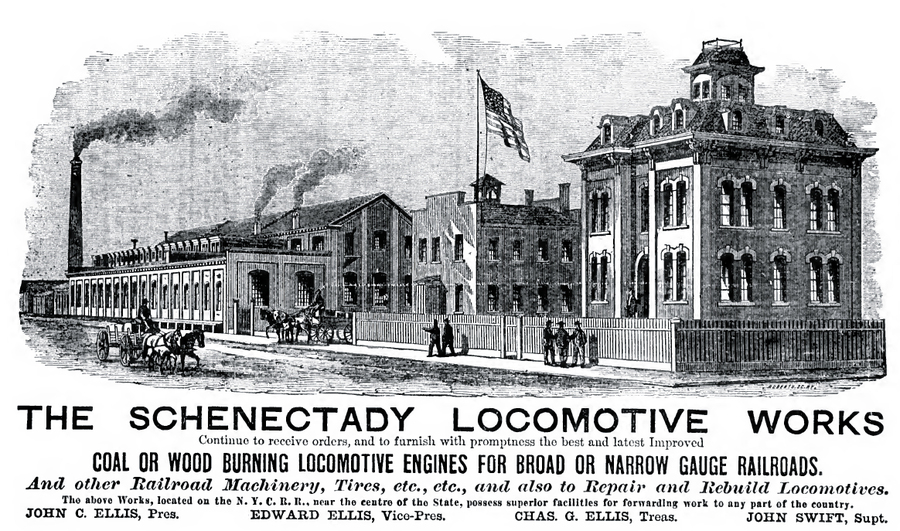
American Locomotive closed down their headquarters in Schenectady New york in 1969. American Locomotive along with GE, was a center of attraction for the city, as it employeed hundreds of people.
The creation of the Schenectady Locomotive Works manufacturing factory that was an integral part of the transcontinental railroad function and Central Pacific Railroad.
As the chance of emancipation grew, enslaved people tackled bigger difficulties in the slave system. At La Esperanza, a sugar estate, the enslaved people started speaking out against the harsh leader. Aurelio Aguilera, a Spanish colonel, tried to scare the people into obedience by arresting 10 people seen as "troublesome" hoping that it would subdue the rest. This did not work out as planned as the people continued to fight back trying to get freedom for the 10 arrested earlier. The enslaved people challenged the soldiers which resulted in a 10 minute struggle. An additional two people were arrested and everyone else also received punishment. While this was not successful on the behalf of the enslaved people. It is still an extremely important event because it shows how slaveholders were losing their grip on power since they had to remind people of the social hierarchy, and even with these "reminders", people weren't being obedient.
The treaty of Zanjon freed only those slaves who had rebelled against Spain, leaving those who remained loyal to Spain enslaved. The treaty was created to solve the issues of emancipation but it produced opportunities for slaves to mount acts of open rebellion. The men at Zanjon had struck for peace under Spain over independence and emancipation, so they called for a continuation of war until both independence and full emancipation was secured.
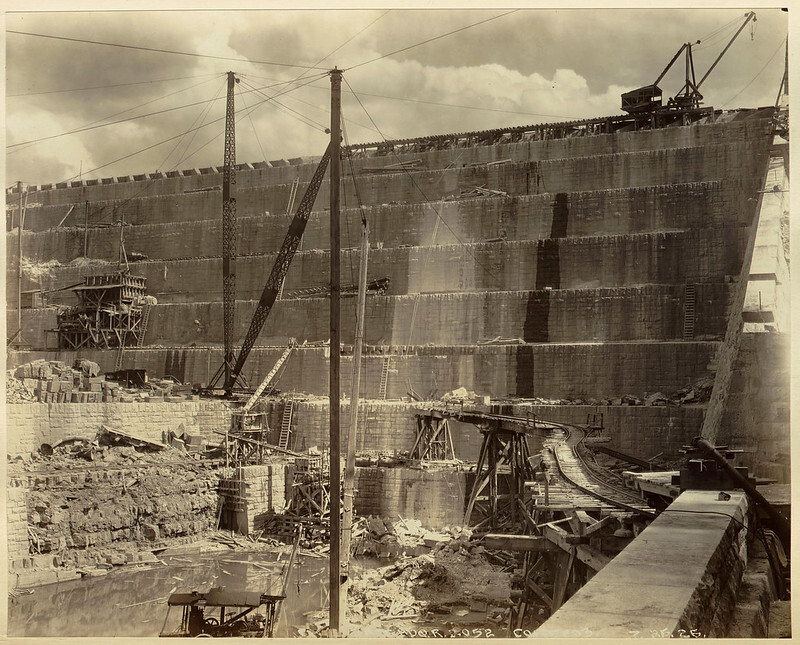
On the Mohawk river, a bit south of Albany New York, a freshwater dam was constructed. This impounded the Schoharie Creek, a tributary of the Mohawk river, which was turned into a reservoir for the New York City water system.
After leaving Pinar del Rio Maceo was ambushed in Havana province. The Spanish did not realize they had killed one of the most famous leaders of the rebellion. Following his death his body was retrieved by the insurgents and later his body was dissected. Scientists theories of racial superiority to explain maceos talents.
Calixto Garcia, the president of the Cuban Revolutionary Committee, left New York to provide support in Cuba. When two prominent Black officers of the new insurrection surrendered to Spain in June of 1880, Spanish officials used this as proof that the insurrection was a race war. Furthermore, they used the surrender to convince Garcia that Blacks would not recognize his leadership or position in their insurgence. On August 3, 1880, Garcia surrendered himself to Spain.
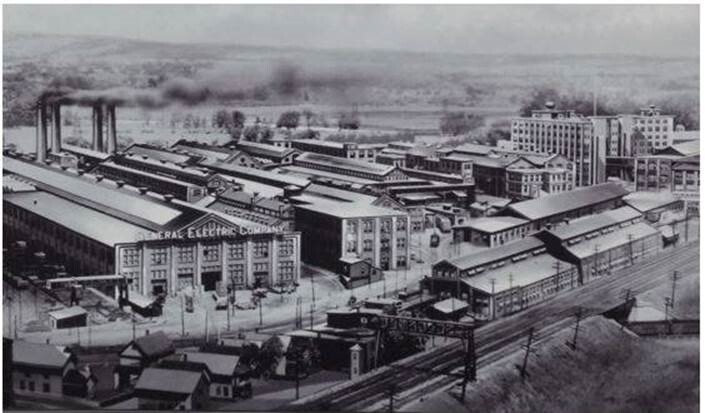
The Edison Machine Works Company took up 10 acres of factories in Schenectady to make electric motors and systems used for locamotives. This company then merged with other electric companies owned by Thomas A. Edison to form Edison General Electric in 1889. Edison General Electric merged with Thomson-Houston Electric Company in 1892 to form General Electric which became headquarted in Schnectady.
Over 2000 insurgency members deferred to Spanish authorities after running out of resources and losing their homes. The Spanish authorities gave these former members land to build new houses and grow crops to survive on
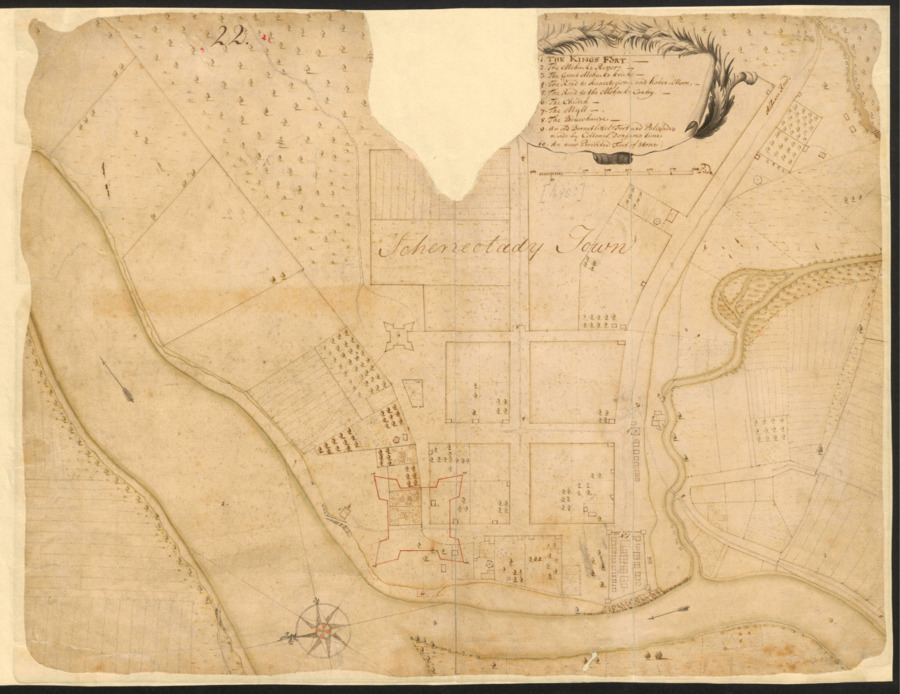
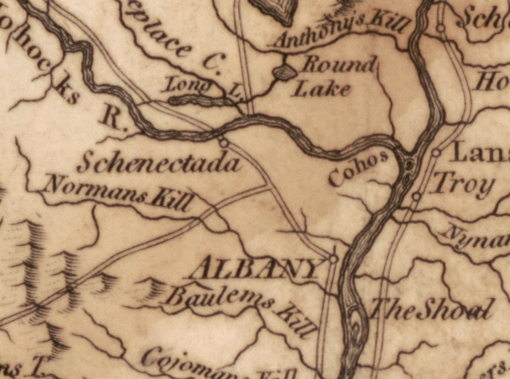
Europeans moved from the Albany area further outward, settling eventually at Schenectady near the Mohawk River. The area near the river was used for farming and growing crops, with The King's Fort being built there. It was officially chartered in 1798.
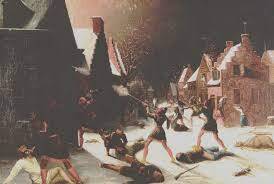
On Febuary 8A force of Candians, Mohawk and Algonquin warriors attacked the community of Schenectady in the dark of night burning most of the village and killing 60 residents.
Because of the Great Depression, a large number of Schenectady residents lost their jobs. This massive unemployment is what lead to Schenectady's growth to halt and later become a modern example of urban decay up until the 21st century, .
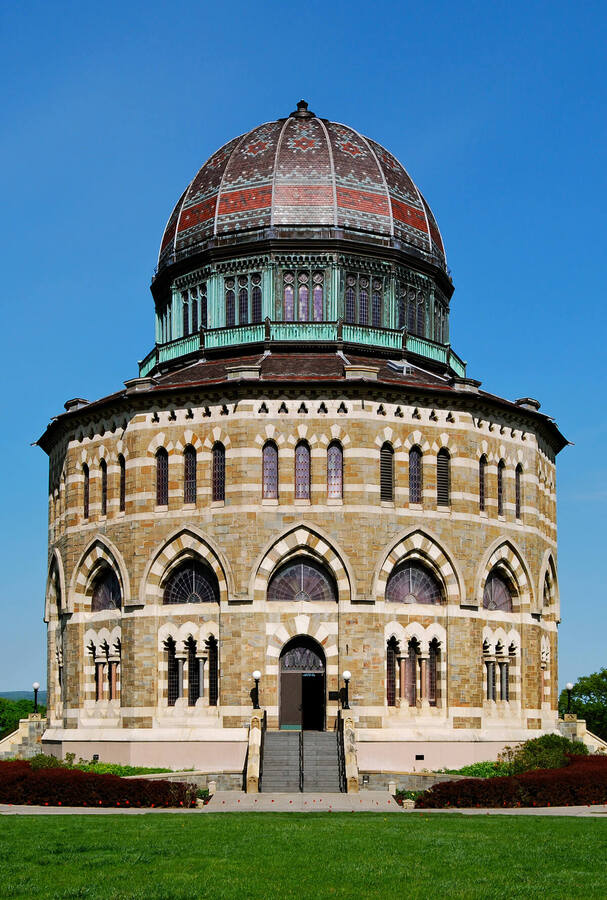
Originally found in plans dating back to 1813, construction of the Nott Memorial (originally called "Alumni Hall") began in 1858. At some point during the Civil War, construction of the building was halted. After a protest by students in 1869, hoping to encourage the college to finish construction, the building was finished by 1875.
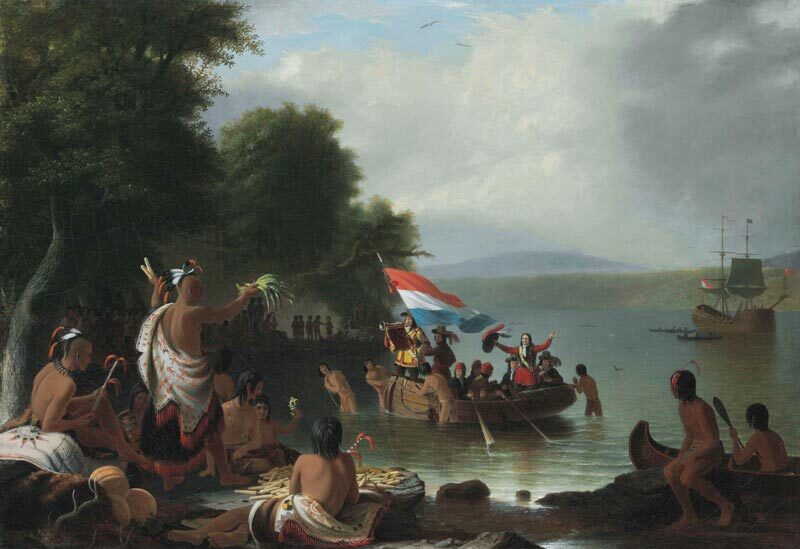
In 1609, the De Halve Maen, a trading vessel from the Dutch East India Company, arrived at Sandy Hook before moving up the Hudson River. The abundance of natural resources (beaver) and position on the river made it an area of great interest to the Dutch, who would establish a colony in the years after the De Halve Maen's expedition, settling in what would become eventually become Albany, NY in 1614. The settlement was known as Fort Orange, and was the first permanent settlement in the burgeoning "New Netherlands".
A brief war caused by a separatist insurrection. The revolt was highly organized and over 400 mounted soldiers swept into the eastern and middle provinces. The main conflict of this war was the status of slaves and former slaves in the new Cuban republic. It also dealt with black and mulatto political power within the nationalist movement.
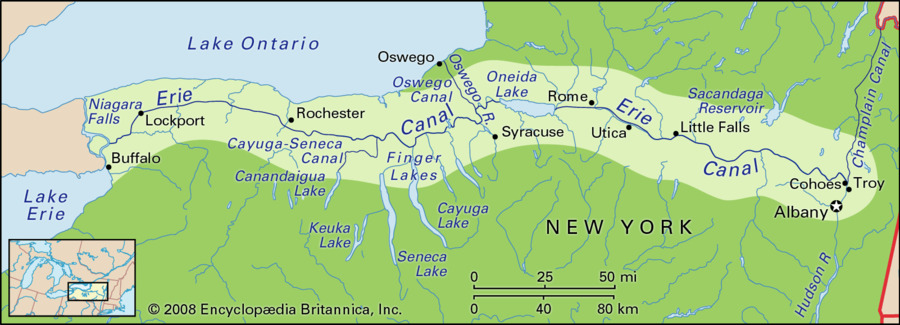
Construction on the Erie Canal began in 1817 and finished in 1825. It ran from the Hudson River in Albany to the Niagara River in Buffalo. It lowered the cost of both shipping and food in the Midwest and the Northeast. The canal also increased trade and enabled migration out West.
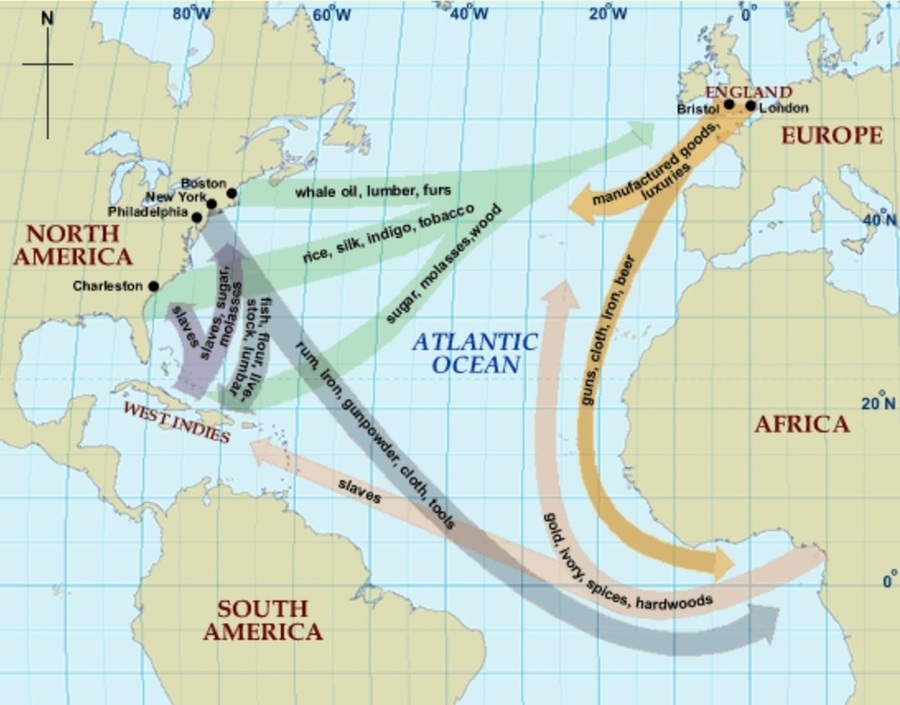
The Columbian exchange signifies the large-scale transfer of goods between Europe, Africa, Asia, and North America in the centuries following Columbus's arrival; this facilitation included but was not limited to people, crops, and animals. Although the Columbian Exchange did help to jumpstart America's settlement and expansion, it also spread disease, thus decimating populations, and played a role in expanding slavery throughout the world.
Squanto, a member of the Patuxet tribe, taught the pilgrims how to plant maize, also known as corn. The pilgrims soon learned the value of corn, as it would provide plenty of food and was easy to grow. This event is significant because it introduced settlers to a food source we are now dependent on and produce in mass quantity.
The Rivers Casino was the first in a series of developments along the Mohawk River and near Mohawk Harbor. The casino pays the city of Schenectady $3 million annually while giving partons a spectacular view of the Mohawk.
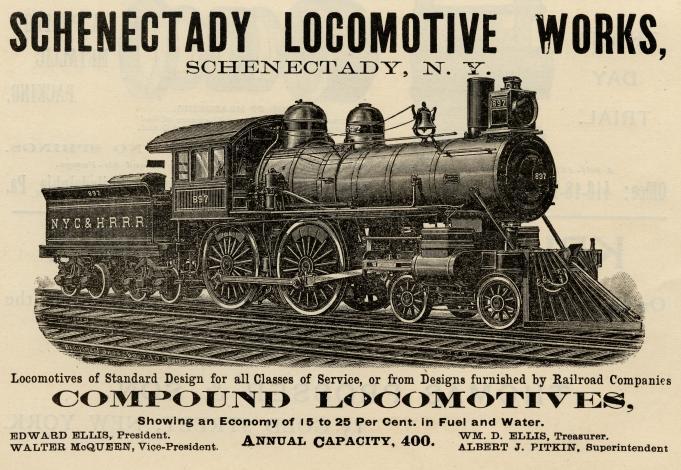
The Schenectady Locomotive Works, founded in 1848, was a locomotive manufacturing company. The company operated from a factory in the north western portion of the season. The company merged with the American Locomotive Company in 1901.
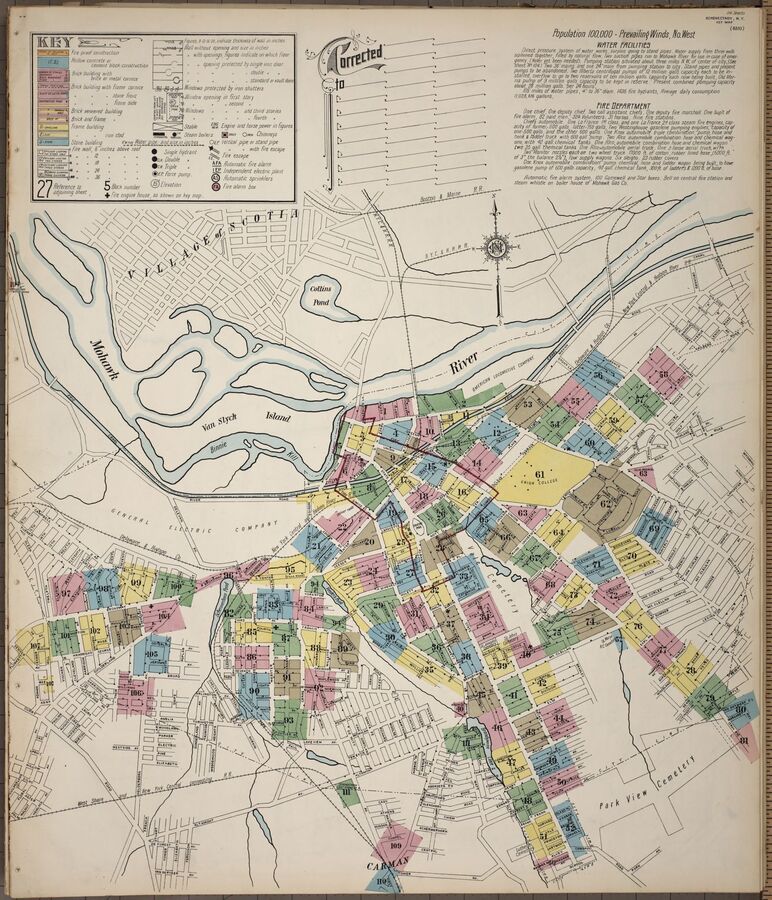
In 1892 GE moved its company headquarters from New York City to Schenectady, NY. As we saw in the Sanborn map from 1914, the company set up along the Erie Canal. This brought in thousands of jobs, but as we know GE was responsible for a large amount of pollution.
As Schenectady began to industrialize, GE was introduced to the area. As a diverse manufacturing company, GE offered thousands of jobs to the people in the area. However, what once was known as a symbol of power and beauty, the Mohawk River would soon become a convenient landfill for the company. This represents a major shift in how people viewed nature.