The first act protecting wildlife (Lacey Act) was passed. It prohibited people from importing, exporting, selling, or purchasing wildlife and plants that were taken in violation of a previous law. Although this did not have a drastic impact on the exploitation of wildlife and nature, this is seen as the first real step toward conservation.
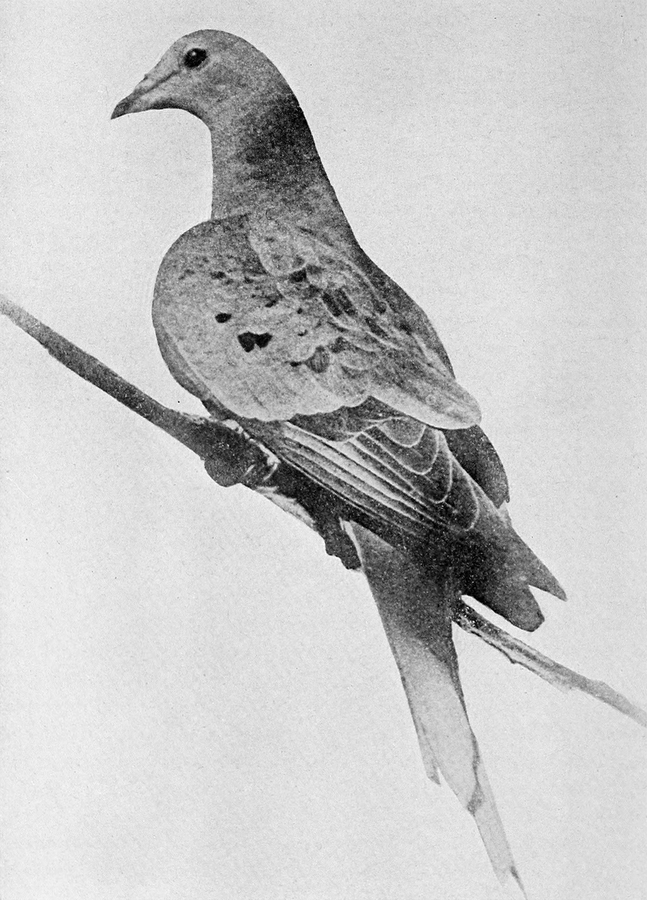
On September 1st, 1914, the last known passenger pigeon, "Martha," died, in captivity, at the Cincinnati Zoo. This death is a symbol of the Age of Extermination, the period between the late 19th and early 20th century, in which many species of natural wildlife were wiped out by human actions throughout the United States
The colonists immediately recognize the value of corn - it has a far higher yield than wheat, takes up less land, and grows extremely fast. Today, corn is found in 1/3 of the items in a typical supermarket.
President Roosevelt was an avid environmentalist and lover of birds(his first published work being, "The Birds of the Adirondacks in Franklin County" in 1877). As such, when he learned about the destruction of them in Florida for Plume Feathers, he would create Pelican Island; the first bird sanctuary in the United States. This way Birds would have a place to nest and raise their young without threat of being killed.
In the 1770s, Marie Antoinette, Queen and in the Court of Louis XVI made it trendy to wear head pieces and hats with exotic feathers, or birds and it caught on in the United States becoming a extremely desirable and fashionable statement for the elite socialite women in the 1850s, continuing to the early 1900s when the Lacey Act was passed, "protecting interstate commerce in wildlife and protected by state statute."
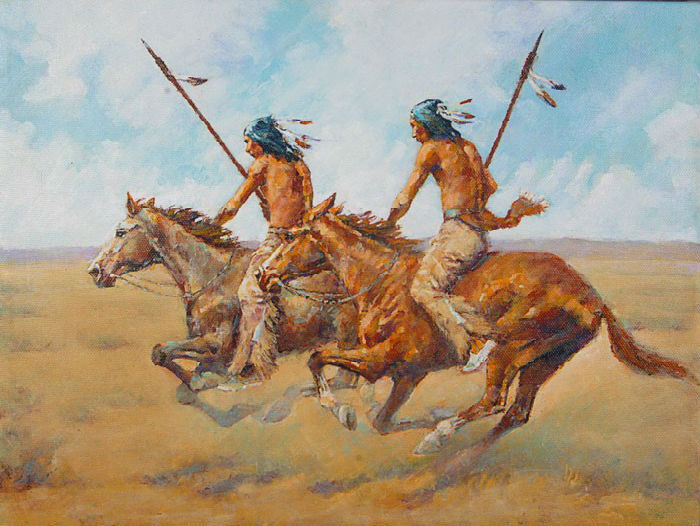
Horses were initially introduced to North America by the Spanish conquistadors, in what is now Mexico, and later went on to populate the Great Plains. Their presence and great quantity changed the culture of Native Americans as some tribes began to ride them and use them to hunt. Tribes in the plains were especially keen to the hunting of bison, so with the help of horses, they gained mobility and were able to kill more efficiently -- which attributed to the bison’s near extinction.
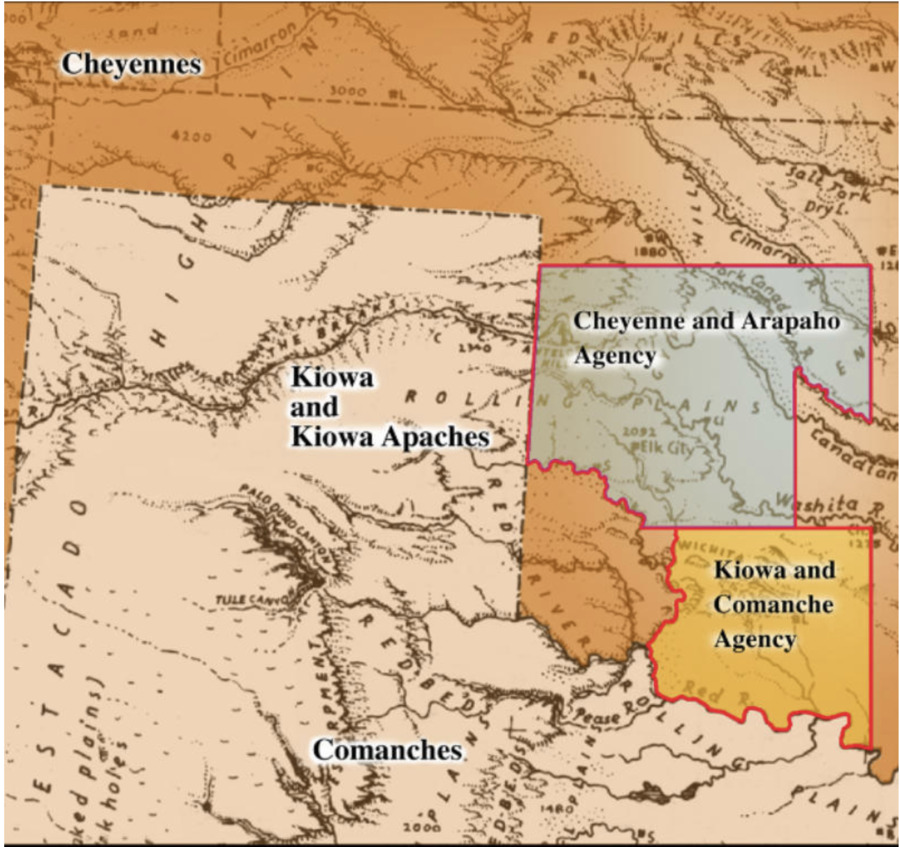
Despite the fact that the preceding decade had been filled with armed conflict between the Southern Plains tribes, in 1840 the Comanches and Kiowas formed an alliance with the Cheyennes, the Arapahoes, and the Kiowa-Apaches. According to Flores, this was a direct reaction to the ecological pressures of the time. Drought and disease plagued both the bison and Native American populations at this time, and reduced numbers of buffalo further affected Indigenous populations. In addition, the threat of Euro-American hunters on the bison population was a growing external threat to the livelihoods of all the Southern Plains tribes.
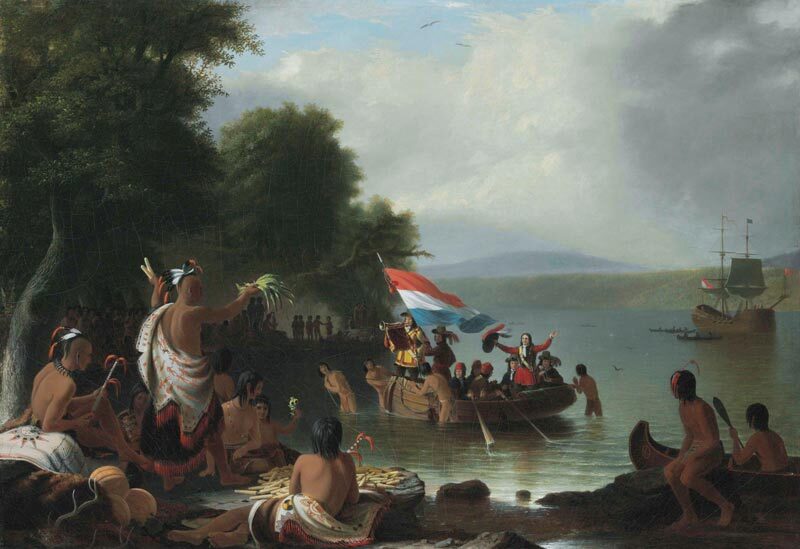
Dutch traders discovered the mouth of what would become the Hudson River in 1609. Finding a land rich with natural resources, including the all-important beaver, the Dutch would establish a trading colony known as Fort Orange by 1614. The beaver trade went on to become one of the most important trades in the New World, drawing Europeans to what would become New York in search of wealth. Futhermore, this trade would become essential to the ongoing relationships between the new settlers and the Native Americans who inhabited the area.
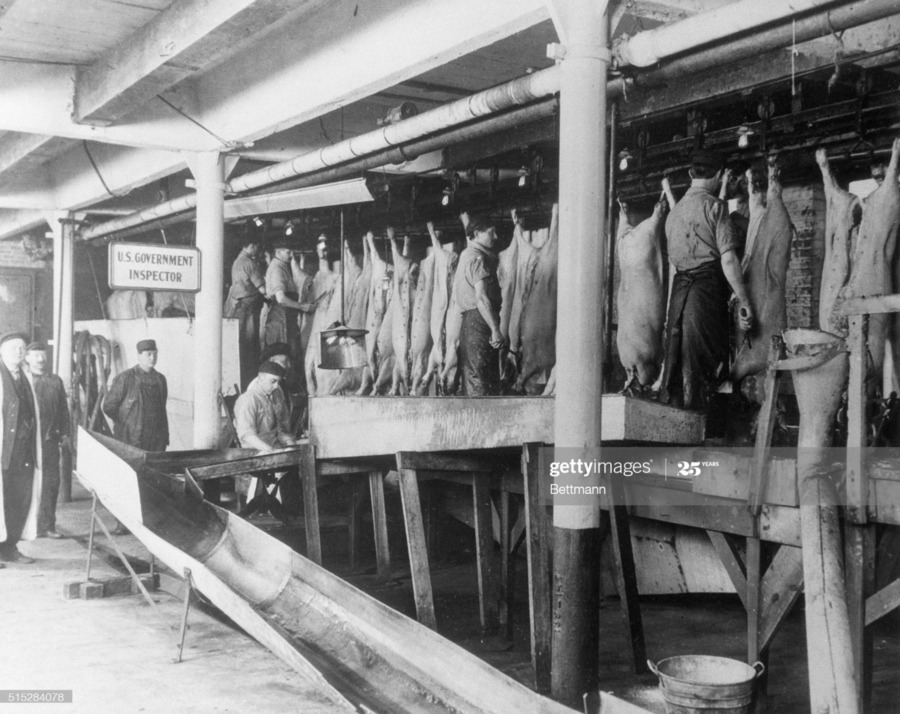
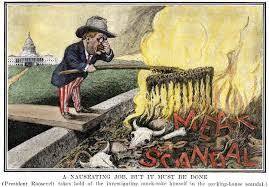
President Theodore Roosevelt signed the Meat Inspection Act into U.S. legislation after the U.S. meat packing industry received lots of criticism from Upton Sinclair's "The Jungle." This bill prohibits the sale of misbranded livestock and ensures that all food is slaughtered and processed through sanitary conditions .
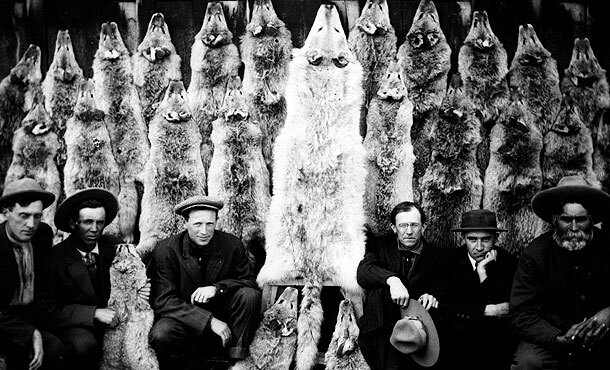
In 1818, settlers finally had enough. They declared “a war of extermination” on the beasts in Hinckley, drew up battle plans and enlisted soldiers from across the state. The Great Hinckley Hunt of 1818 was a slaughter like no other.
Nearly 600 “able-bodied men and large boys” participated in the Dec. 24 hunt, which committees thoroughly mapped out and advertised for weeks. A $15 bounty was declared for every slain wolf. By the afternoon the "war" was over and they had killed 21 bears, 17 wolves, 300 deer and untold numbers of turkeys, foxes and raccoons.
Congress passes President Roosevelts Meat Inspection Act in order to protect those consuming the meat. This act enforced inspections on all livestock both before and after packing as well as increasing the health and safety standards in meat packing plants.
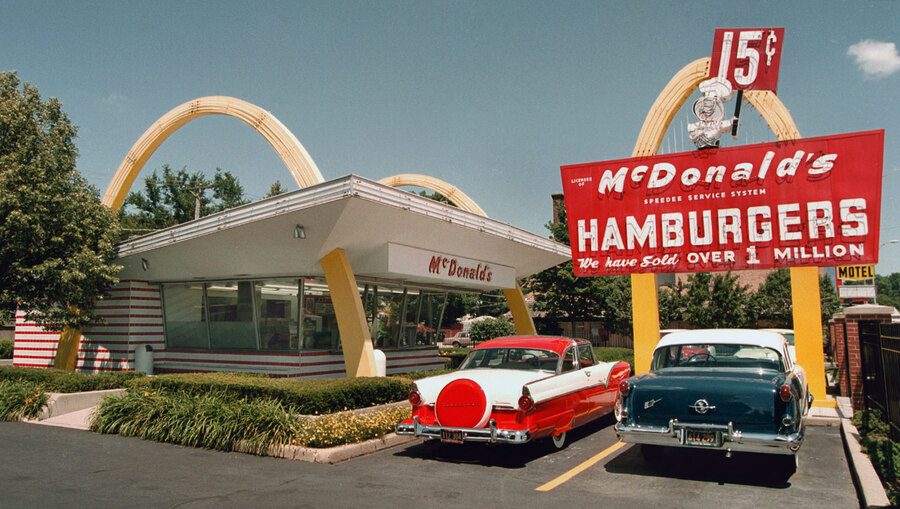
In 1955 Ray Kroc opened his first McDonalds and with clever marketing and restaurant placing, the chain soon skyrocketed in popularity. The company soon became the largest meal serving organization in the US. This was extremely good news for the beef industry, but as we've learned the feedlots for this beef can have a lot of negative environmental implications.
Starting in 1880, the Spanish Cortes de Generales, located in the Palacio de las Cortes, passed a law that gradually emancipated slaves. On October 7, 1886, slavery was officially declared abolished. Many whites, across the world, feared that slavery could not end peacefully, however this process disproved that assumption. Following abolition, many former slaves were still economically dependent on their former owners, to whom they owed compensation toward. Emancipation did not bring equality (95).
Following unrest due to the Pact of Zanjon and the subsequent second war that broke out, the region of El Cobre experienced much fighting between the Spanish and slaves that had now rebelled to fight for their independence. This area saw a massive increase in the number of farms abandoned as large numbers of slaves fled to either join the revolution and fight or flee to try and escape slavery as well as battle. Due to the previous "Ten Years War" that had already exhausted the region, it was much safer for slaves to flee then it had been in prior years.
Spanish Colonel leader, Aurelio Aguilera, trying to address the issue of uncooperative slaves. Prior to this Spanish authorities wanted slave owners to give the slaves a wage in fear of a rebellion. At La Esperanza, a sugar estate, with war spreading more and more slaves began to become "troublesome". Ten slaves were arrested and their freedom was demanding causing retaliation. The war was ended within ten minutes but it revealed many things. One being that slavery was becoming a more and more inviable form of labor and that owners had lost authority.
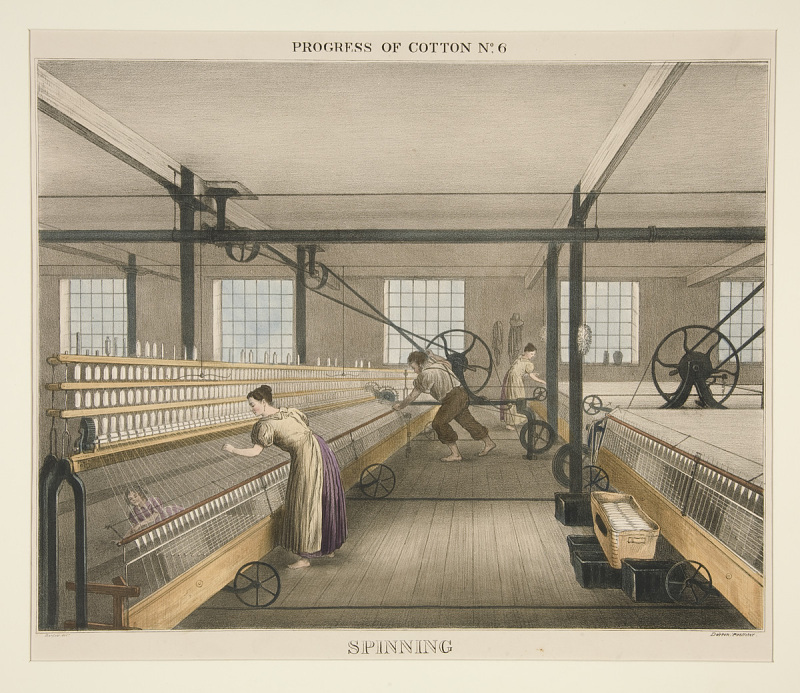
Throughout the 19th century, the American economy went through a radical shift, called the Market Revolution. This was caused by a number of factors, one of which was better transportation routes like the Erie Canal. Increasingly, the United States was becoming industrialized. This economic shift was accompanied by a change in people's perspectives on land and nature. Increasingly, these were viewed as commodities on which to make a profit, as farming moved beyond subsistence. However, as urban areas grew rapidly, the wealthy also saw nature as an escape from city life, and as a place for recreation and relaxation.
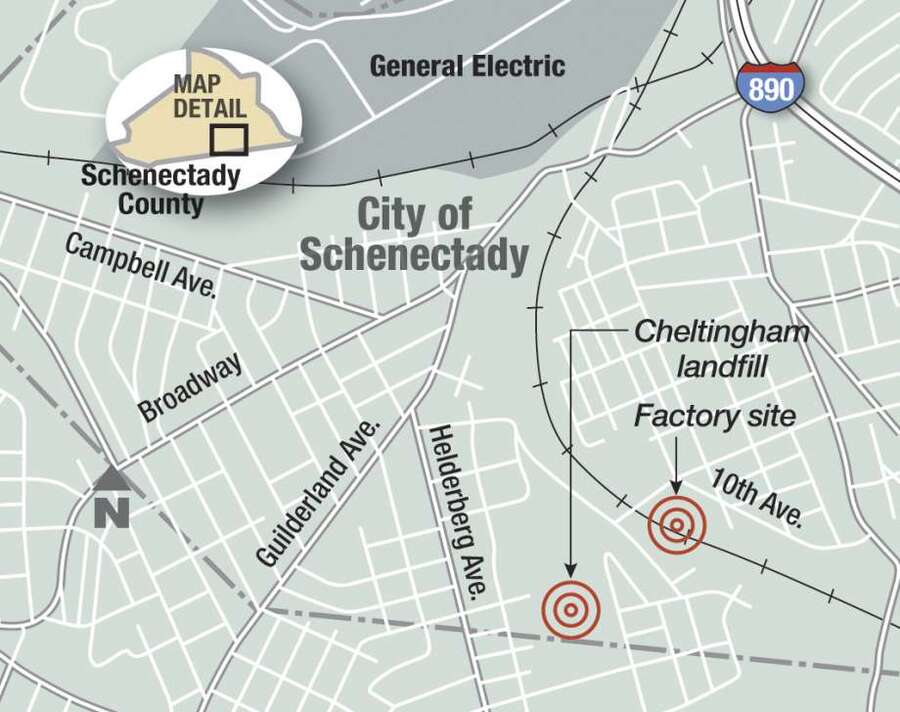
General Electric polluted the Mohawk and the Hudson by dumping in PCBs or polychlorinated biphenyls. This caused immense harmful effects to the wildlife, fish and people who consume from the rivers. This was coupled with misuse of sewage discharge from the city makes the Mohawk one of the most polluted subsidiaries of the Hudson
Jose Marti, while in exile in New York, founded the Cuban Revolution Party, which he used to organize people to return with him to Cuba to continue the fight for independence.
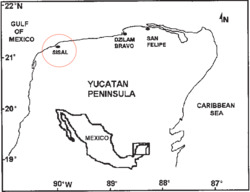
Archaeologists in Mexico have identified a ship that carried Mayan people into virtual slavery in the 1850s, the first time such a ship has been found. The wreck of the Cuban-based paddle-wheel steamboat was found in 2017, but wasn’t identified until researchers from the National Institute of Anthropology and History checked contemporary documents and found evidence it was the ship “La Unión.” The ship had been used to take Mayas captured during an 1847-1901 rebellion known as “The War of the Castes” to work in sugarcane fields in Cuba. Slavery was illegal in Mexico at the time, but operators of similar ships had reportedly bought seized captured combatants, or deceived Mayas left landless by the conflict to “sign on” as contract workers, often in Cuba, where they were treated like slaves.
Without proper environmental regulations in place before big factories/power plants are constructed, pollution of the surrounding environment is sure to occur. An example of that is Varnish Factory, formerly known as Schenectady International, where they blatantly dumped chemicals, runoff, and heavy metals in the Mohawk River and other surrounding water sources. Local residents also have a high count of cancers and other diseases that can attributed to the pollution from the Varnish Factory.