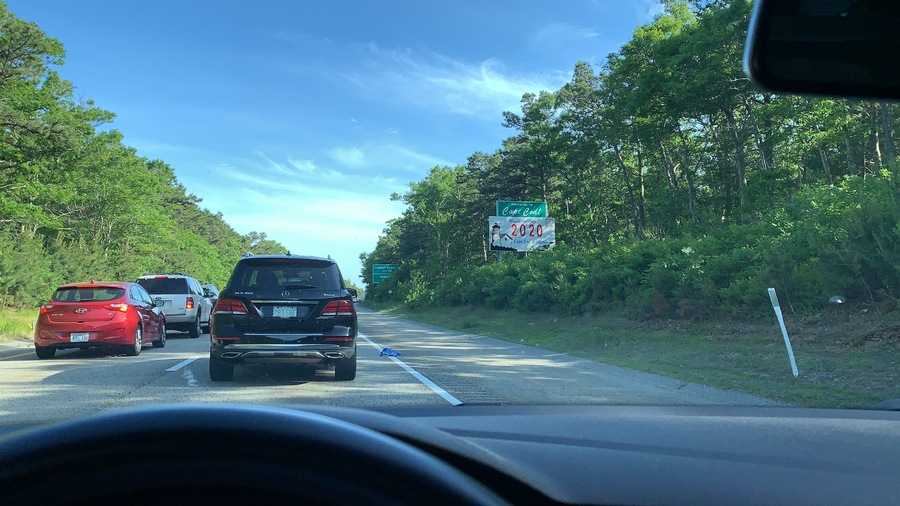
The postwar boom sees a wave of new cottages, motels, restaurants, and commercial centers built on the Cape. Cape Cod's population increases by 27%. The Cape as it is seen today - a summer tourist destination and economy - is fully solidified.
A group called the Herring Party opposed the installation of a new mill-dam into the Coonamessett River - this dam stopped the flow of fish into the Coonamessett Pond. The Herring Party attempted to blow up the dam with a cannon, but instead the cannon exploded, killing the gunner. As support for the Herring Party faded, so too did support for common rights laws as the American expansionist economy took off.
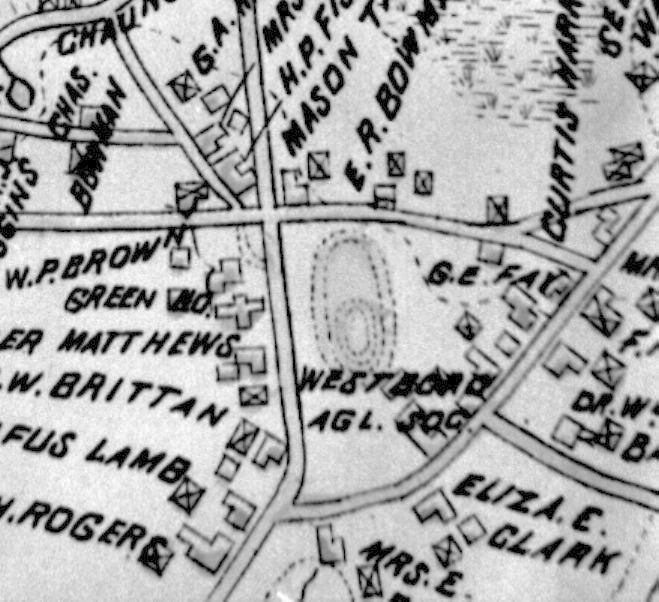
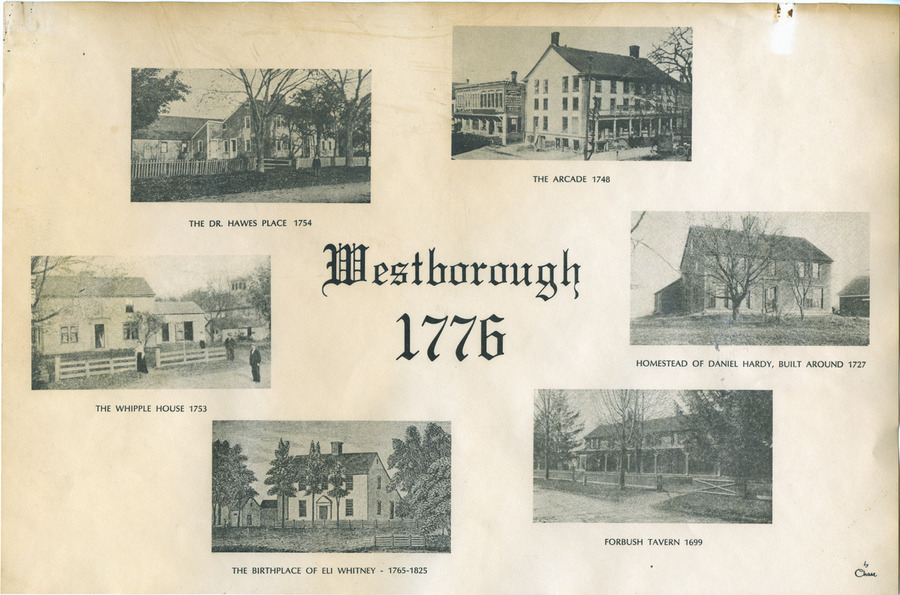
In 1839, 27 Westborough farmers founded the Westborough Agricultural Society with the hopes of promoting agricultural education and farm related techniques. The individuals hoped to collect and distribute information that would help to increase product and improve the soil. The society held an annual town fair to promote agriculture that included cattle and livestock competitions, plowing demonstrations, exhibitions of new equipment and local products. Along with this, a farmers' market sold locally grown fruits, vegetables, flowers, grains and breads.
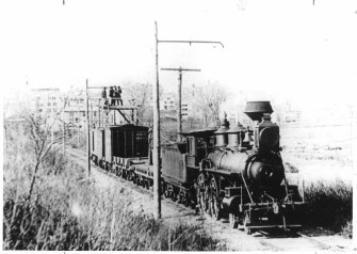
In 1824 the Boston-Worcester steam railroad was extended to Westborough. This brought a new era to the town industry as Westborough shipped out boots, shoes, straw hats, sleighs, textiles, bicycles, and other products. Most notably, the town quickly became a primary milk shipper to the Boston community.
On November 18, 1717, Westborough was incorporated as the hundredth town in Massachusetts, with a total of 27 families. Several large farms were soon plotted and mills were set up along the Assabet River and Jackstraw Brook. The town received additional territory from Shrewsbury in 1793.
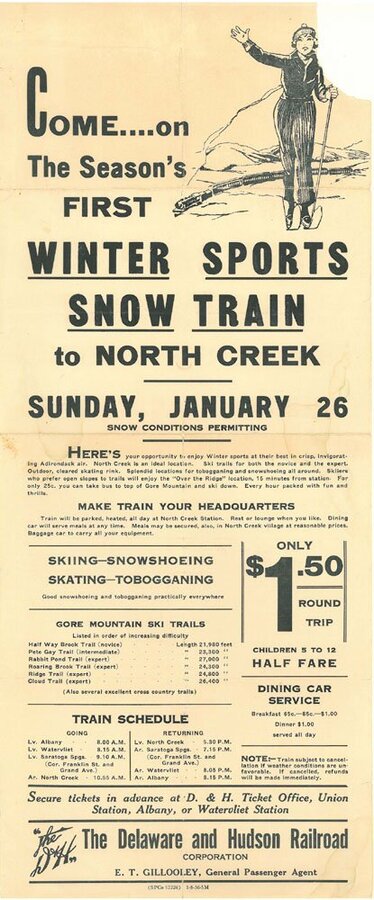
On March 4th, 1934, the first Snow Train arrived in North Creek, coming from Schenectady! The train carried skiers to Gore Mountain, allowing them to spend the whole day on the slopes, and fall in love with skiing allowing Gore mountain to build it self up into the ski hill it is today. These Snow Trains continued for years due to necessity, and eventually became a historical remembrance event.
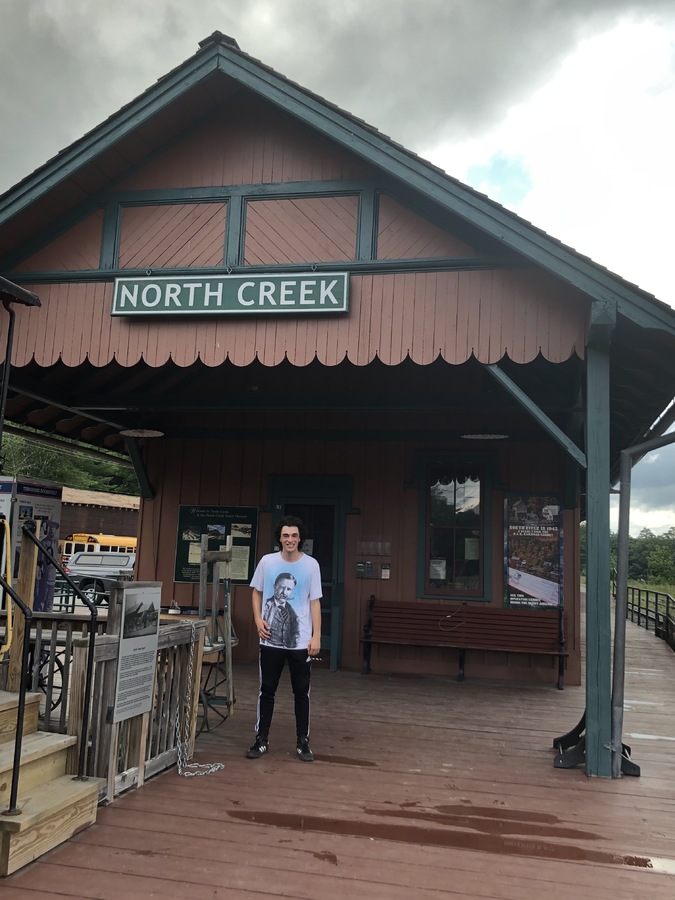
After climbing down Marcy late on the thirteenth thanks to the news from Tahawus Guide Harrison Hall, at lake Tear-in-the-Clouds, President Roosevelt raced by carriage from the Tahawus Club to the North Creek train station. It was at the North Creek Station early in the morning on the 14th, where Teddy learned he would be the President of the United States.
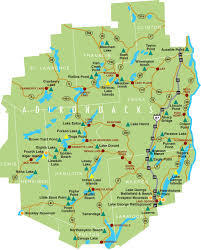
In 1894, the Forever Wild clause was added to the New York State constitution, setting up conservation throughout the area. This effectively created the Adirondack Park and allowed conservation ideals to be started throughout the area.
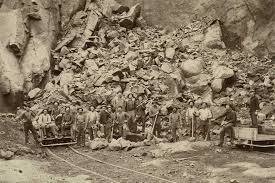
After the logging industry was found to be unsustainable industry switched to Mining Garnet, another valuable resource of North Creek. Barnet Mines would mine garnet and give jobs for generations, as it is still open today.
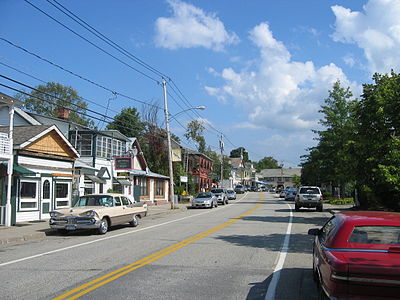
Logging camps spring up, becoming the first buildings of the Hamlet of North Creek. The logging industry would cause many more people to come to the area.
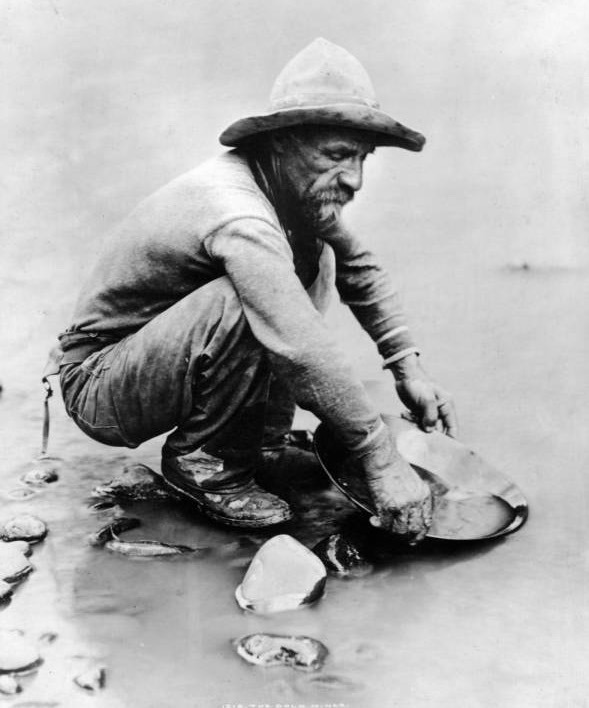
The Colorado Gold Rush, also known as the “Pikes Peak Gold Rush”, brought thousands of people into Colorado, including present-day Douglas County in 1859. This is what initially led to the decline of Native Americans in the area and the pollution of the natural environment. To extract gold, miners would use dangerous chemicals that would often leak into streams. By the 1860s, animals already started to show abnormalities as a result of these chemicals. Mining also resulted in acid mine drainage, which essentially exposed buried rock to oxygen. This process resulted in metals being dissolved and drained into local water sources, a process that continues to affect Coloradans.
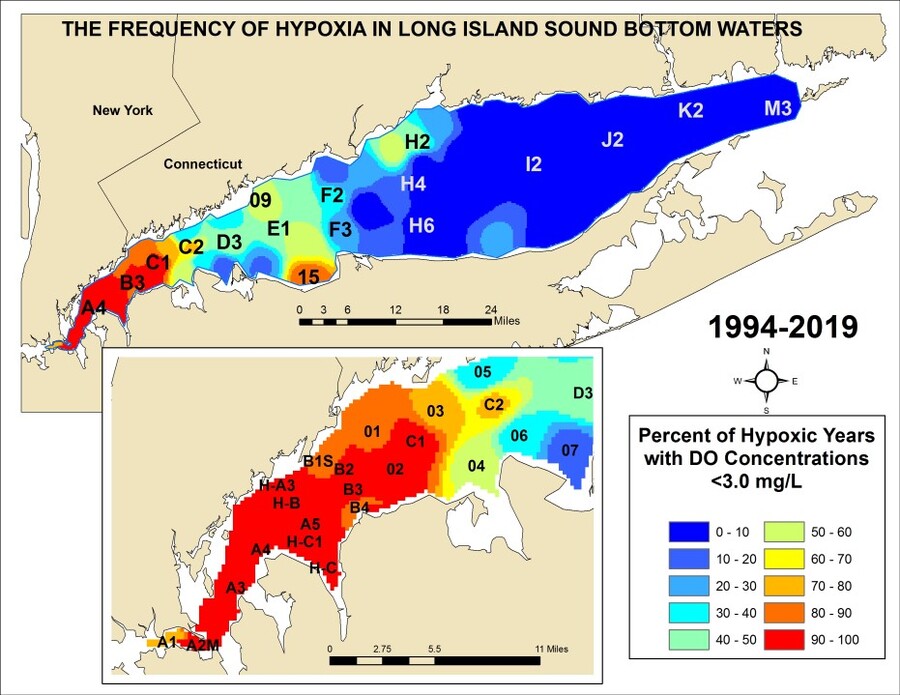
Hypoxia, low dissolved oxygen in waters, had been spreading across the Long Island Sound as a result of increased nutrient pollution from anthropogenic sources. These hypoxic blooms would kill fish and force other species to migrate out of affected waters. This lead to a lull in the already declining fishing industry and would lead to the formation of several Environmentalist action groups. Things have improved somewhat but as you can tell by the image, today there is still a sizable hypoxia problem.
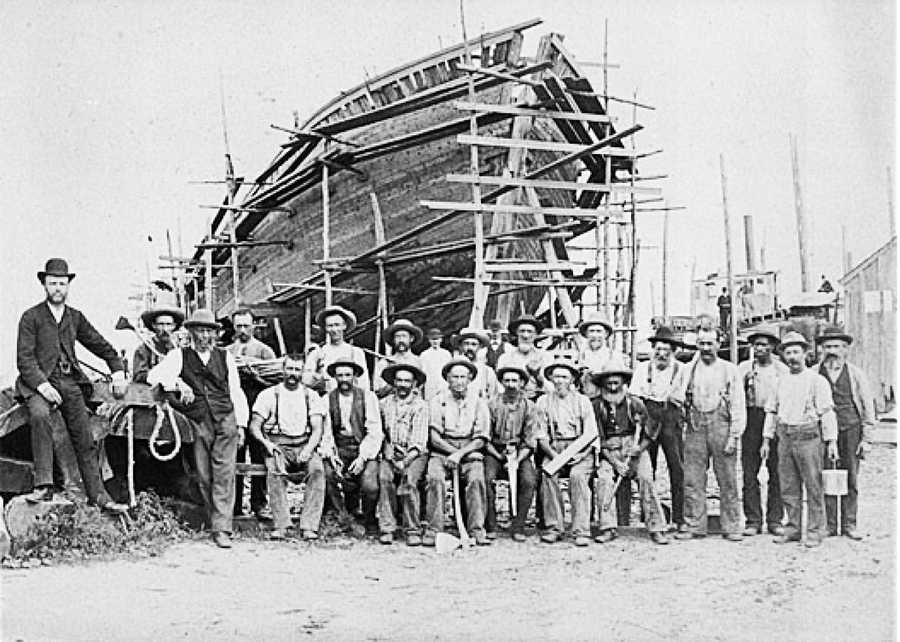
In 1797, the first shipyards were built in Port Jefferson. These would pump out a small amount of high quality ships until the Civil War. After the Civil War there was a huge boom in the shipbuilding industry and the Port Jefferson shipyards would churn out around 370 vessels by 1890.
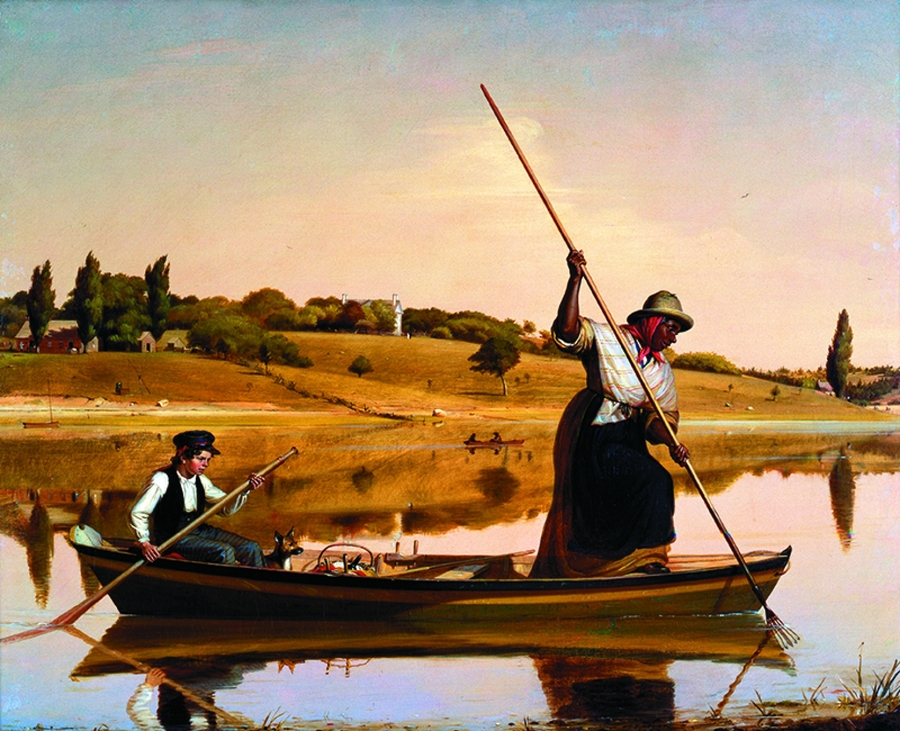
This painting shows the relatively common dynamic of servant women teaching young, relatively well off, white boys how to fish for Eels. At this time there was a slight boom in Eel fishing, which was a result of the initial rise in market. The Three-Village area was pretty much a sleepy area and no real industry would develop until after the Civil War.
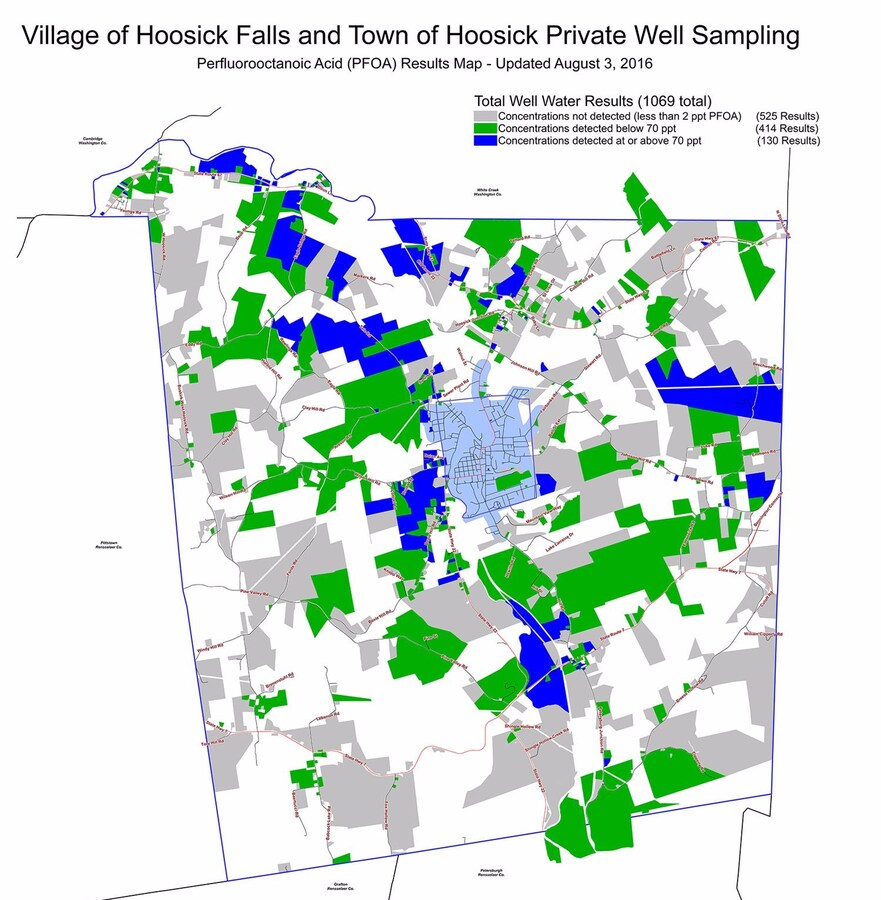
Even though Michael Hickey, a local resident of Hoosick Falls, discovered high levels in PFOA in the water in 2014, it wasn't officially announced until 2016 that the water was deemed unsafe by public officials. This marked the beginning of a long battle between the town and Saint-Gobain Performance Plastics, the company responsible for releasing the chemicals.
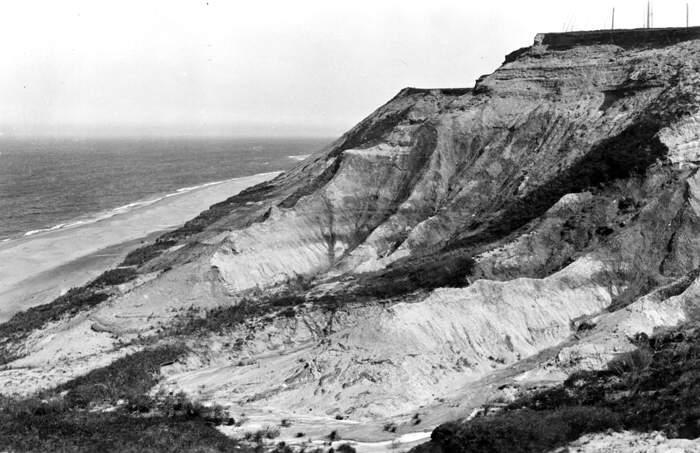
Thoreau walks from Sandwich to Provincetown, detailing the natural splendor he sees along the way. This includes homes, beaches, farms, townspeople, and other elements of nature.
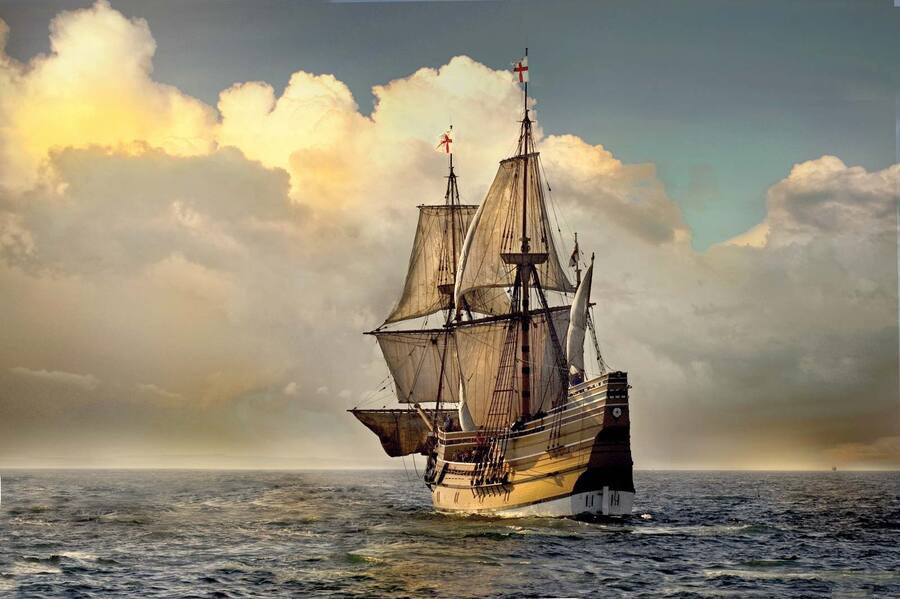
The Mayflower docks in Provincetown harbor, where the Mayflower Compact is signed. After exploring the area and encountering the Native Americans living there they decide to sail on to Plymouth.
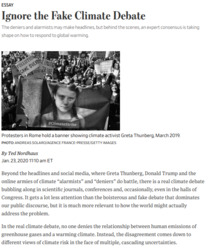
This 2020 publication in the Wall Street Journal describes an interesting phenomenon it describes as the "Fake Climate Debate". This debate is between the two extremes - on one side, total deniers like Donald Trump who won't even consider the need for a climate change mitigation plan, and on the other, climate alarmists like Swedish 17-yr-old Greta Thunberg. The author here argues that the loud and brash debate between these groups is actually irrelevant, and that the real scientists are still conversing in the background. In countries where climate change is an accepted fact and a problem to be solved, the writer would be correct to conclude arguing with deniers such as President Trump is a waste of time. In the US, however, where climate change is still just making onto the political docket, those debates still lead to further support of mitigation efforts and understanding of the impacts of climate change in the future.