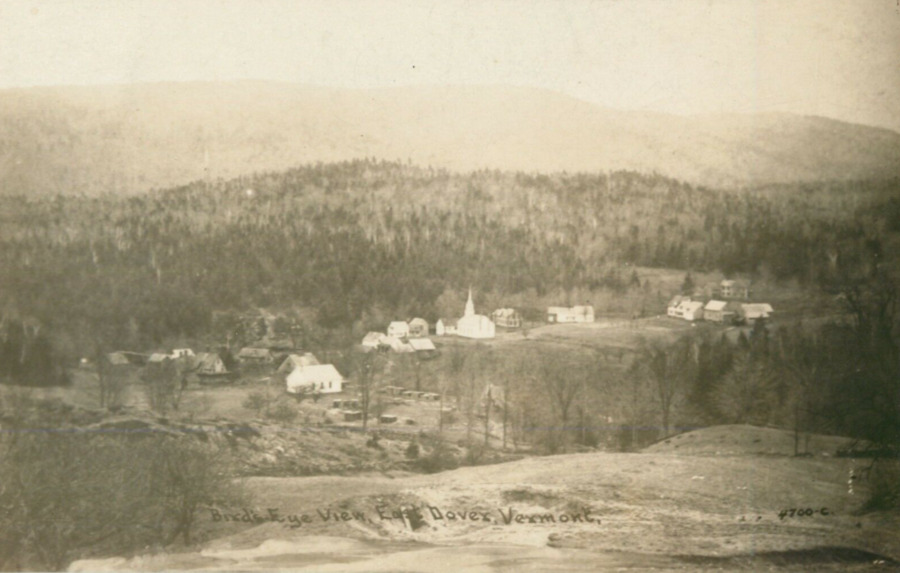
East Dover in the 1920s consisted of a small village with two sawmills, surrounded by small farms, though the dwindling population had led to some reforestation.
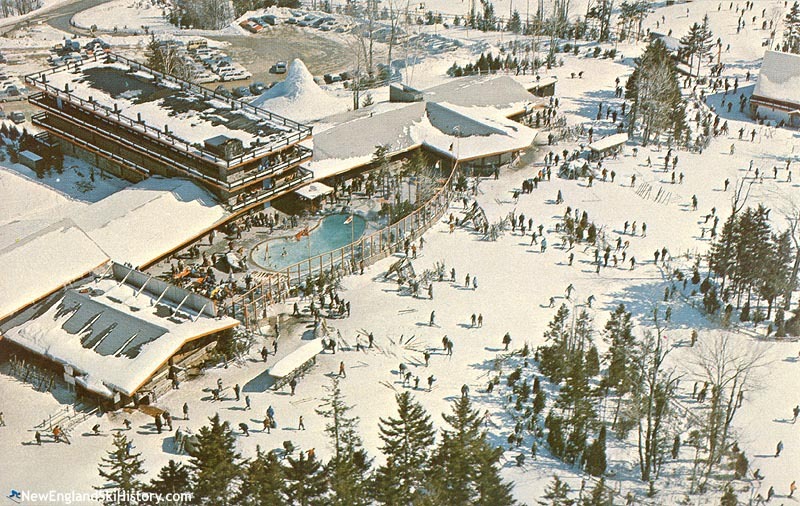
The opening of Mount Snow in 1954 transformed the western half of Dover from a farm town in decline to a bustling tourist destination. The mountain was part of the post-World War Two boom in skiing, which itself was part of a larger interest in outdoor recreation in the period. In the 1970s, when the author of this post started skiing there, it still featured an outdoor heated swimming pool that was open in the winter -- something that was closed in the late 1970s thanks to the energy crisis.
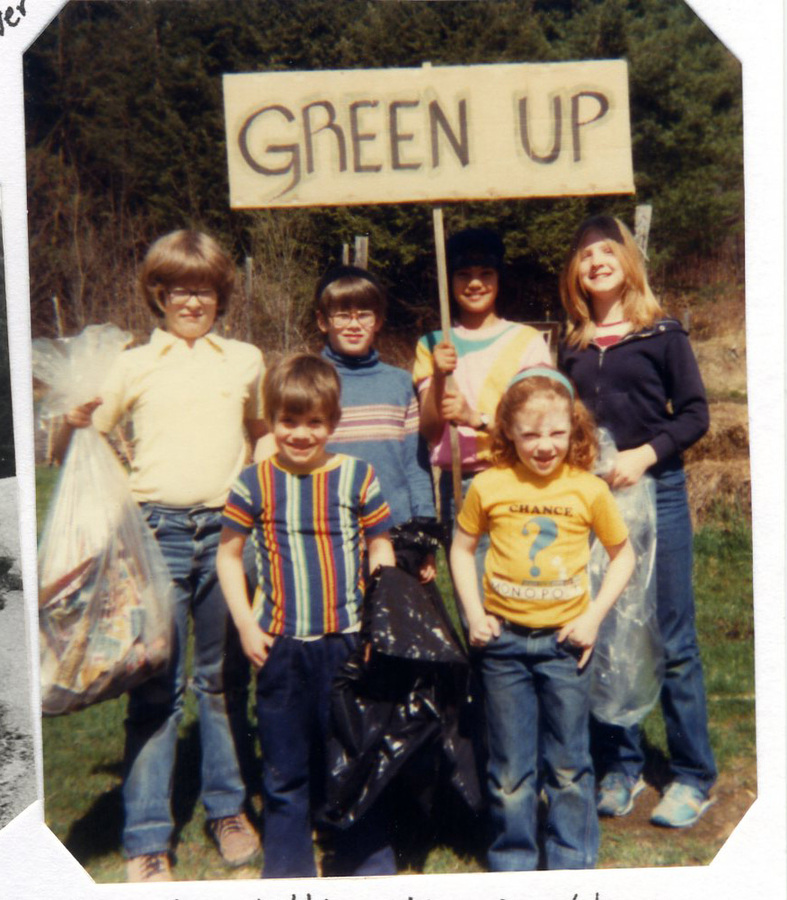
"Green Up" Day in Vermont was conceived in 1969 in the context of concern over litter along the state's roadsides. The first Green Up Day was held in 1970, four days before the inaugural Earth Day gatherings. This photo is from the late 1970s; the person with the trash bag on the left in the picture is somebody you know (imagine taller, better haircut, with a mask).
The Conklingville Dam was finalized in 1930 after decades of pressure by Cities downriver to create a reservoir for flood control and water storage purposes. The Dam flooded the Sacandaga River Valley, forcing all communities within the flood zone to relocate. Little say and notice was given to the local communities, leaving many families feeling blindsided and neglecte by the State.
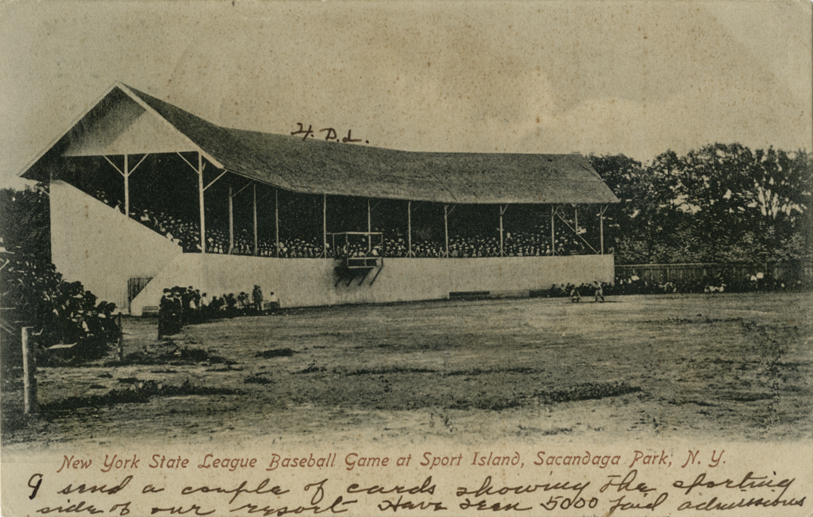
The Sacandaga Park was owned by the FGJ Railroad Company from 1881 until the creation of the Reservoir. The Park transformed from a getaway for urban elites, to an all-around wilderness amusement park, including Sports Island were baseball, boxing, and open-air spectacles were put on. The island was connected to the park via a walking bridge and miniature train.
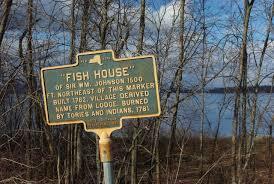
In 1762 Sir William Johnson opened up the Sacandaga River Valley to colonial settlement when he had created a road from his home Fort Johnson to the valley in order to facilitate trade with the Native Americans in the area, as well as have a place of leisure for himself. The Fish House Lodge was created in the same year, and became Johnsons place fo refuge to hunt in fish in the river valley abundant with game and fish. The lodge drew other colonist to the valley and Fish House, formerly known as North Hampton, became the first colonial settlement in the valley. The original lodge is believed to have burnt down in 1781 as a result of the Johnsons families loyalty to the Crown during the Revolutionary War.
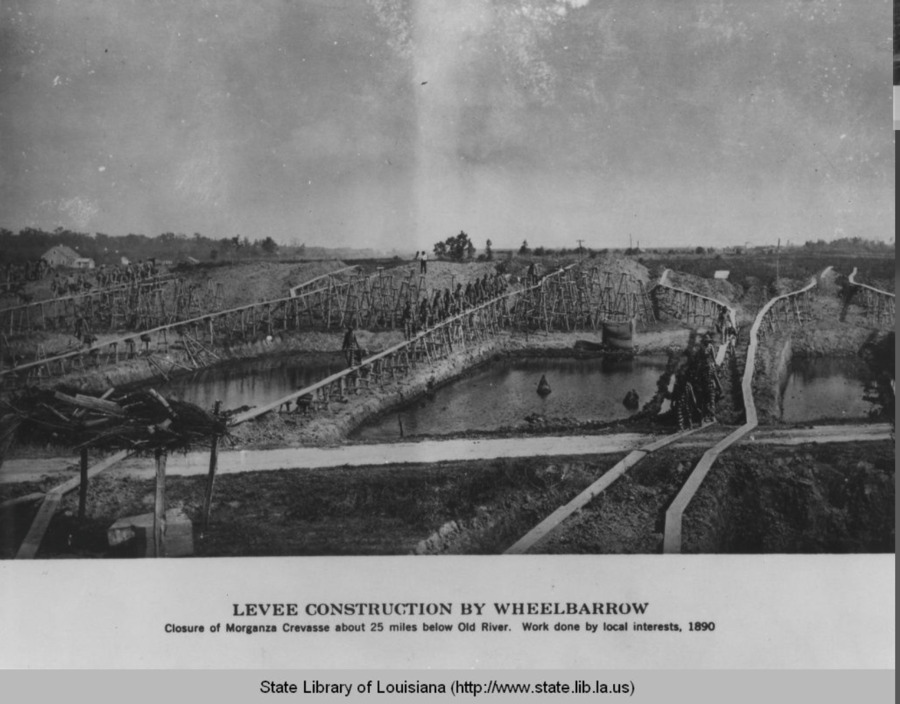
In the late 19th century the levee's were in slight disrepair due to time and in part also due to the civil war that had gone on a few decades prior. As the cheap labor that had been available was no longer since slavery was abolished. When i came time for the levee to be worked on the new cheapest labor was that of prisoners. The levee's were built in the 1700's when the founder of the city came along and have been needed to protect the city from floods coming form the gulf as well as from the Mississippi river.
Due to soil erosion and rising sea levels the improved barriers that had been placed around New Orleans will no longer be up to par. As sea levels rise, not only will many of the marshlands be effected but the barrier islands that have been acting as protection as stated by the article.
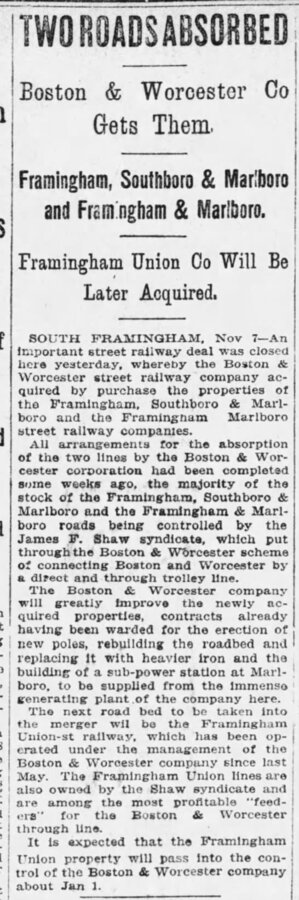
A radical transportation change took place in 1889, with the opening of the electric Marlborough Street Railway line, the second of its kind in the country. It initially ran a 2.5-mile route through Marlborough before being extended in 1890. In 1895, it was linked to Hudson and Northborough (adjacent towns), making it possible for passengers to ride the streetcar all the way to Boston or Worcester. In 1903, the Marlborough line was taken over by the Boston & Worcester Railway Company.
Until this year, the largest refinery on the East Coast was located on the banks of the Schuylkill river in South Philadelphia. Open since the 1860s, its ownership has changed hands many times over the last 150 years, but it was owned most recently by Philadelphia Energy Solutions. The refinery has been responsible for numerous fires in the past couple centuries, and especially in the 1800s, oil would cover the surface of the Schuykill river, causing it to regularly catch fire (and often take boats and people with it). Today, people living in the surrounding neighborhoods of Southwest Philly and Grays Ferry have higher rates of asthma and cancer than in other parts of the city due to the release of toxic chemicals by the refinery. Both these neighborhoods are predominantly Black, and 31.6% of Southwest and 41.3% of Grays Ferry residents live beneath the poverty line. On June 21st, 2019, the refinery caught fire once again, this time causing an explosion so large it could be seen from space. Debris from the explosion narrowly missed a tank containing hydrofluoric acid, a reagent used in the refining process. Had this tank been punctured, the acid would have vaporized, causing a cloud of toxic gas to descend over the city. An estimated 1.1 million people would need to be evacuated. However, it's likely that the evacuation would've been unsuccessful, given that the explosion occurred at 4am, and the shelter-in-place sirens didn't go off until 5:30am. If that tank had been punctured, it could've become the deadliest industrial disaster in history, killing thousands (if not tens of thousands) through inhalation of HF gas and leaching into the Schuylkill, a major water supply in the region. There are much safer alternatives to hydrofluoric acid, but none of these were used at the refinery because they're more expensive. This year, the refinery was permanently closed, and sold to a developer.
Hurricane Katrina hit and many parts of the levees surrounding the city were not up to standard as the overhaul started by the army core of engineers had not been completed As seen in the photo, the water did not flow naturally out into the gulf as New Orleans is shaped like a bowl in the ground. In which portions of the area is below sea level and is supposed to be protected by the levees. The storm surges broke through a few different sections of the leeves.
The Pelican, a boat carrying 64 passengers, sunk on September 1st, 1951. Of the 64 passengers, 44 people and Captain Carroll died, prompting President Dwight Eisenhower to urge Congress to revisit fishing boat laws in America and limit amount of passengers, safety guidelines, and even fishing restrictions, so the fish can be preserved through the centuries.
Introduction of public water supply spurs the development of internal plumbing for waste; waste is conveyed directly to Charles through pre-existing street drains and through newly constructed common sewers carrying storm and sewer water. Bacteria load to river subsequently increased dramatically and waste on exposed mudflats caused a stench thought to spread disease.
The Middlesex Canal was a 27-mile barge canal connecting the Merrimack River with the port of Boston. When operational it was 30 feet wide, and 3 feet deep, with 20 locks. It was built from 1793 to 1803 and was one of the first civil engineering projects of its type in the United States, and was studied by engineers working on other major canal projects such as the Erie Canal.
In 1792 under President George Washington, the Montauk Lighthouse was authorized to be built and was completed on November 5th, 1796. It signified the start of urbanizing Montauk and played a crucial role in allowing the fishing industry to thrive in the following centuries. It was the first lighthouse built in New York State and the fourth oldest active lighthouse.
communities were presented the option to establish conservation commissions to act as advocates for the natural environment, prepare appropriate conservation plans, and manage conservation lands. Eight municipalities established conservation commissions the next year.
Whaling was popular across the eastern US from the mid 1700s through the mid 1800s. Stonington was a popular whaling port, supporting 50 whaling vessels across 167 voyages throughout its history. Whale produced products such as oil for lighting, bones, and baleen which was used on consumer products. The industry declined as the whale population became depleted and the use of crude oil exploded.
In 1927, a real-estate developer by the name of Carl Fisher moved soil and gravel to connect Lake Montauk to Block Island Sound and then to the Atlantic Ocean. Carl Fisher irreversibly changed Montauk’s marine ecosystem and is responsible for a lot of the buildings/foundations that you see in modern-day Montauk.
In early November 1913, a extraordinarily powerful blizzard hit the upper midwest of the United States, killing over 250 people. 13 ships on Lake Michigan were sunk, resulting in many shipwrecks lining the coast of Illinois and Indiana. The storm acted as a wake up call to the residents of that area that they were too at risk of natural disasters. After this, engineering for construction was improved in order to make buildings that could survive major blizzards.
During the end of the 19th Century and beginning of the 20th Century, the growing population of Chicago needed a reliable source of drinking water. Because Lake Michigan was freshwater, it made sense to use the lake water for drinking water. Stations were constructed right offshore of Lake Michigan in order to pump the water to the mainland. Nine water cribs were constructed but only two remain active.
The introduction of non-native fish for recreational angling to the lakes in Glacier National Park has been one of the most important players into the degredation of the glacial waterways. In the early 1900's, lake trout aka Mackinaw were introduced into lakes along the Continental Divide. Introduced fish bring new diseases, alter the composition of plankton communities, interrupt food web dynamics, and prey on native fish. Research has shown that changes in zooplankton communities generally occur when fish are introduced into previously fishless waters. Non-native Lake trout pose a grave threat to native species in several park lakes as well as change the water composition of these previously untouched glacial water pools. There are still a few pristine lakes and streams in the park that remain strongholds for genetically untainted native fish species. Humans could not resist the potential revenue gain from adding these fish for sport and this had dramatically altered the natural ecosystem of such a wonderful place.