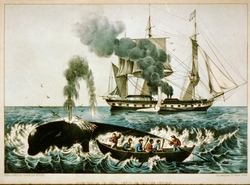
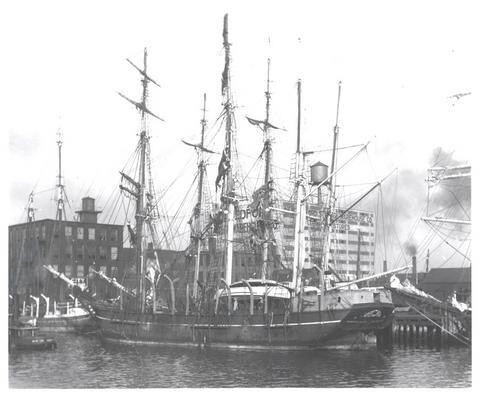
New England towns like Stonington thrived off of the whaling industry. But with the increased use of fossil fuels whale oil became obsolete. Whale populations were being decimated as well and it became harder and harder to keep up with demand. Eventually, to keep whales from going extinct, countries like the US decided to outlaw whaling. Products that came from whales declined in demand as other forms of manufacturing and production took off.
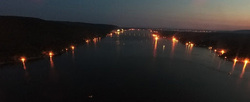
The Ring of Fire is a labor day tradition started by Aglus Gilbert, a long-time resident of Mayfield, in 1988. Around the lake on Labor Day, all along the shoreline, large bonfires are created to celebrate the summer and the lake.
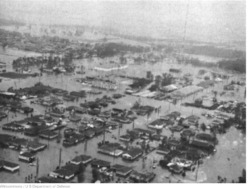
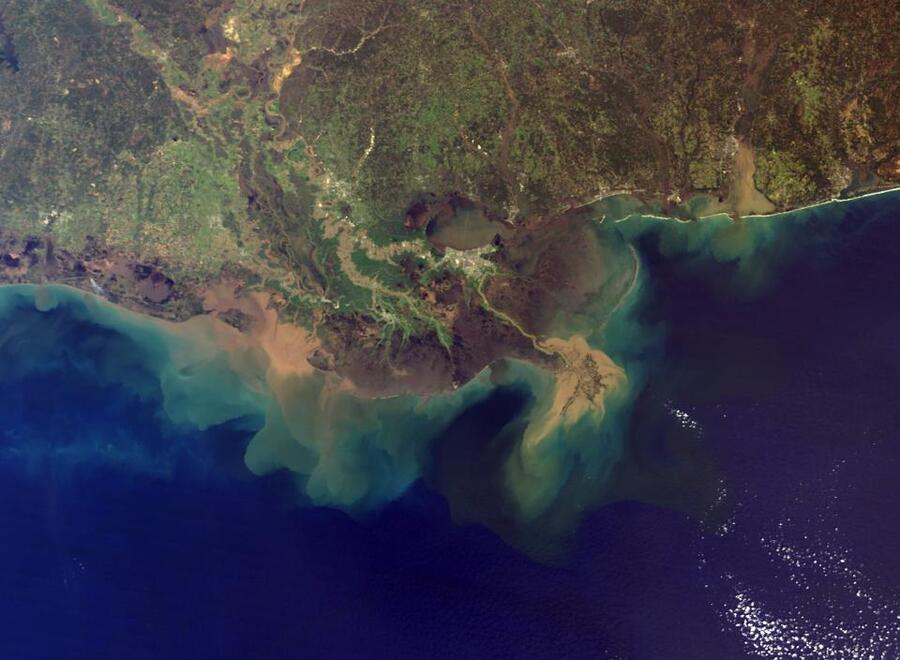
Hurricane Betsy hit New Orleans and despite there being no major levee break the city still faced huge amounts of flooding due to it being a bowl and having the drainage systems over capacity. Since the levees had shaped New Orleans into a bowl, drainage pumps had become crucial for the continued existence of the city.
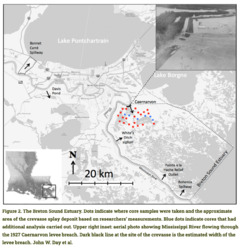
Due to heavy rainfall that overwhelmed the amount of water that the levee's could hold the local government made a decision to breach part of the levee system as to release pressure from the system. They did this because New Orleans was in danger from flooding due to an uncontrolled levee breach. The breach did damage some of the surrounding area and crippled St. Bernard Parish's economy derived from the natural resources of the area.
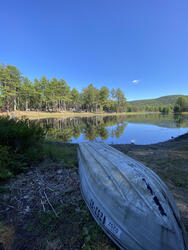
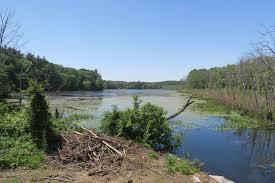
This pond dug in 1975 is part of the Dun Logging Campground on the Great Sacandaga Lake. When it was created it caused a good deal of trouble with environmental protection agencies for the camp owner. Today the land use regulations still impact the pond as on the far side of the image you can see a cleared area. The new owner of the campground was fined heavily for cutting more than necessary around the pond.
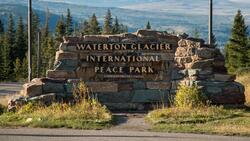
This agreement was with Waterton park in Canada to symbolize on-going peace, cooperation and goodwill between two nations. This is important as it starts to spread the idea that protecting nature should be, and is a global phenomenon. The peace park really illustrates the idea that nature is a finite resource, and a shared finite resource. As these resources become more effected by consumption and climate change, this peace agreement offers the ability for both countries to promote environmental stewardship and protect what wildlife we have left so it can be enjoyed by “all people”.
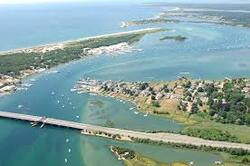
In the summer of 1700, WM. Southworth and John Rogers buy the land that would become Westport Harbor from the local Native Americans. The area would go on to be the heart of the town till the modern day.
The voyage of the Andrew Hicks in 1879 marked the end of whaling in Westport. The industry had been floundering since the discovery of petroleum in 1859.
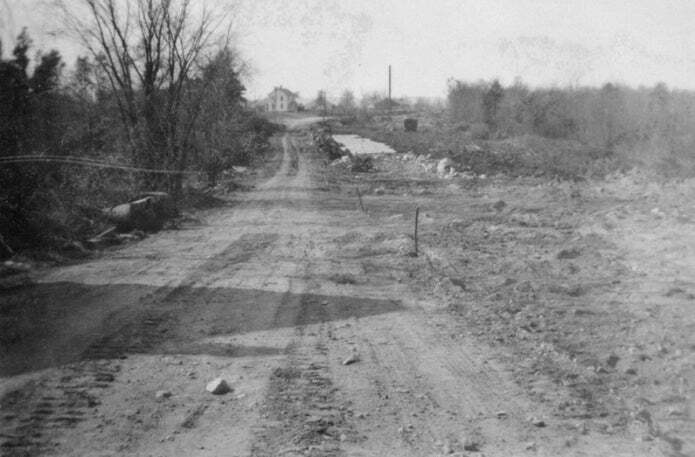
In 1931 the Boston-Worcester Turnpike was rebuilt as Route 9, bringing large change to the area. The Westborough section of Route 9 was originally bordered by farms, soon taken over by cabins, restaurants, gas stations, and other businesses. With the advancements in transportation, Westborough's agricultural way of life faded.
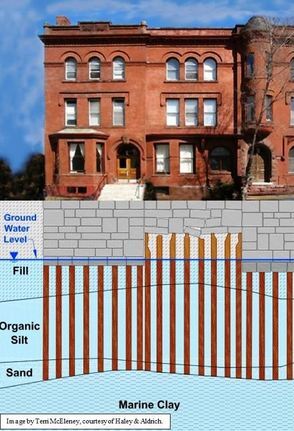
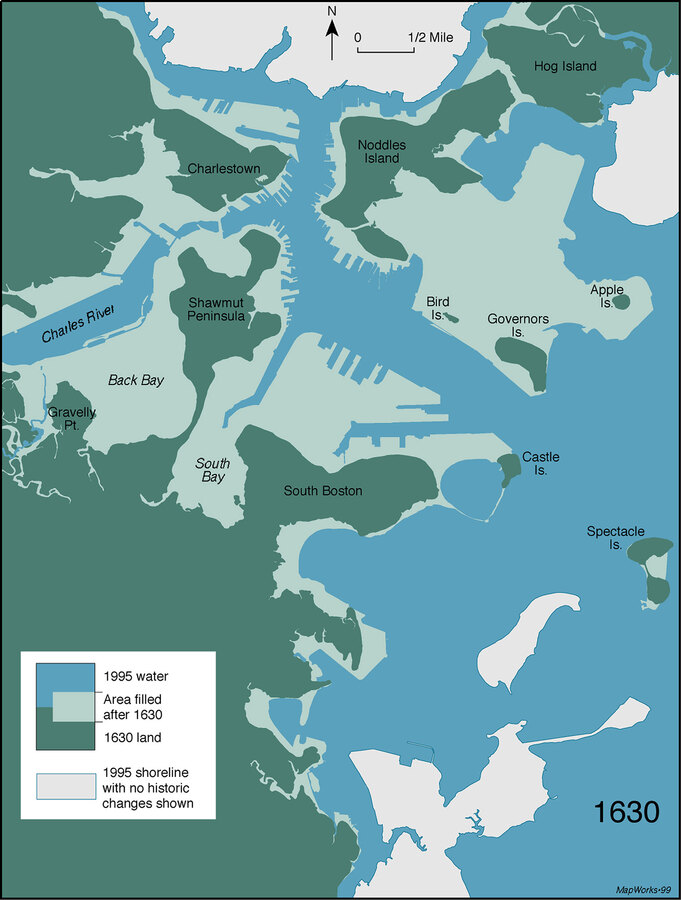
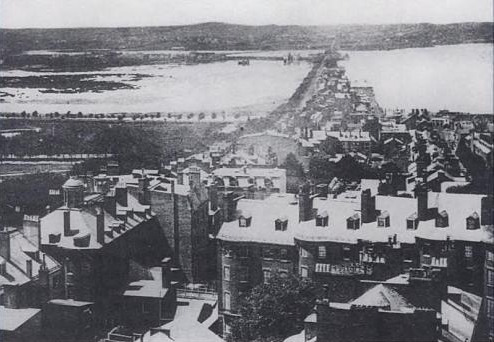
Because Back Bay was built on reclaimed land, all buildings are held up by support beams that reach down to the solid ground. During dry seasons, these support beams are in danger of rotting, causing buildings to collapse.
Hocomonco Pond, a once crystal clear water source used by Native Americans in the Westborough area, was declared a Superfund site in 1983. A wood treating and preservation facility operated on the site from 1928 to 1946, contaminated sediments, surface water, and groundwater with creosote, a byproduct of wood combustion consisting mainly of tar.
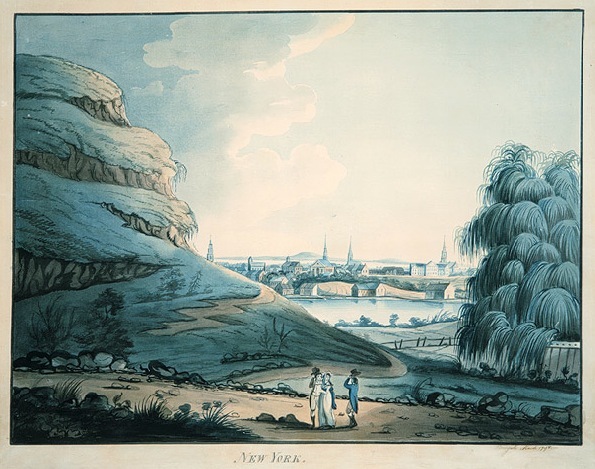
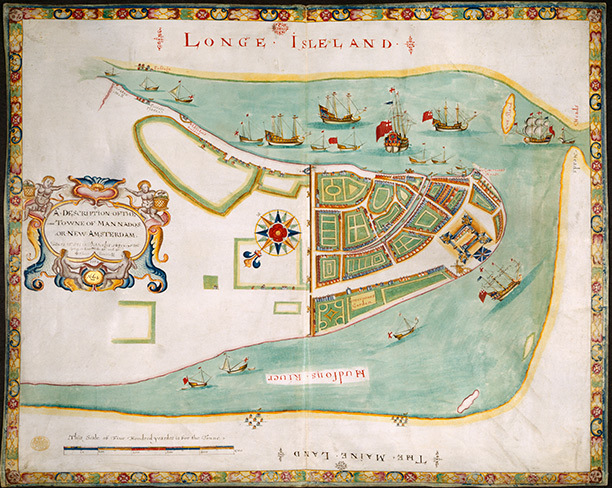
Collect pond was the primary source of potable water for the settlers in lower manhattan and had been there for thousands of years, until 1785. A tannery was built next to it and caused massive amounts of contamination.
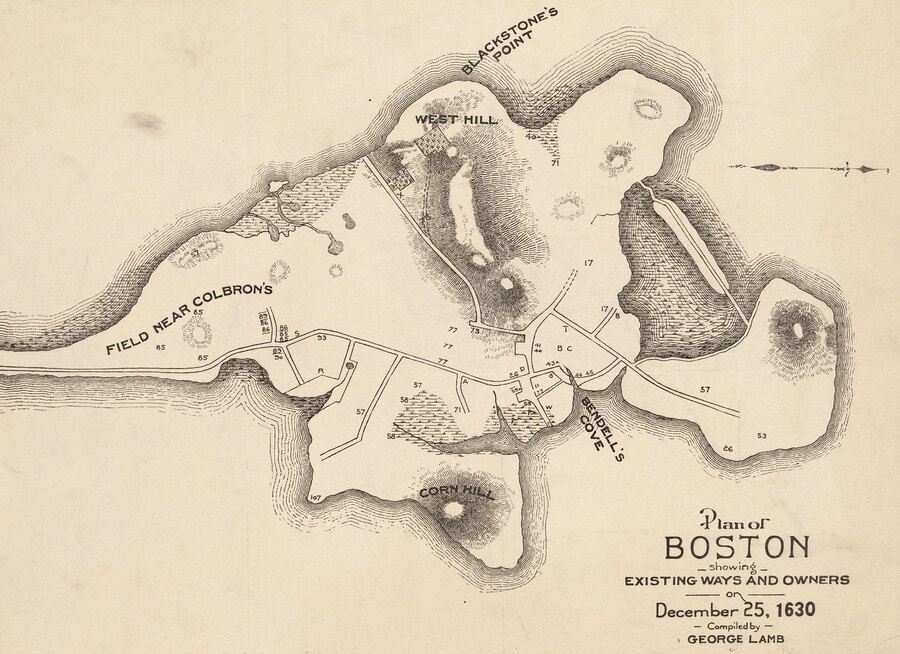
The Back Bay of the Charles River is reclaimed, mainly in order to eliminate the vile stench coming from the pollution of the mudflat. Gravel, sand, and garbage are used to fill in the land, and infrastructure including housing is built.
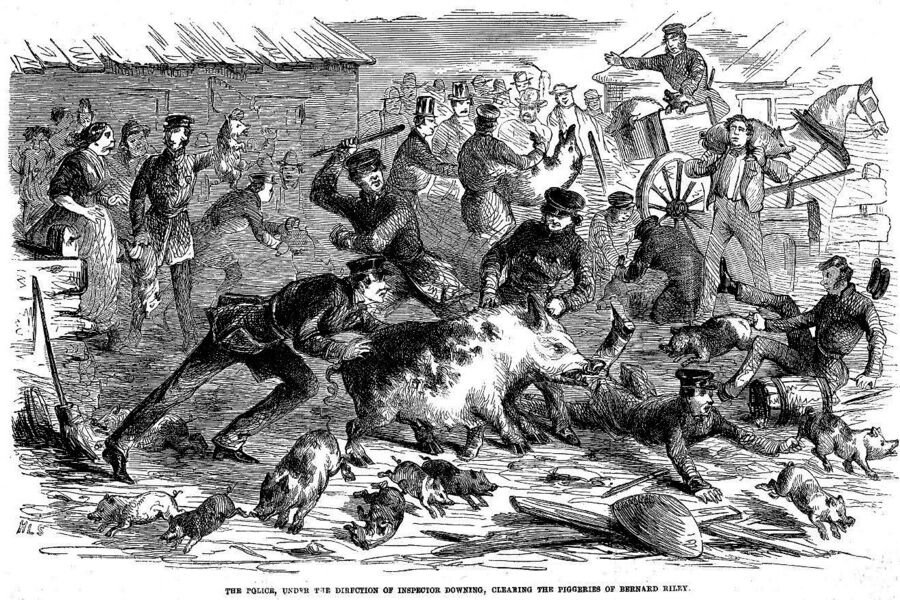
After the war of 1812 there was a large migration from the countryside to the city and many brought along their rural ways of life, including wild animals.
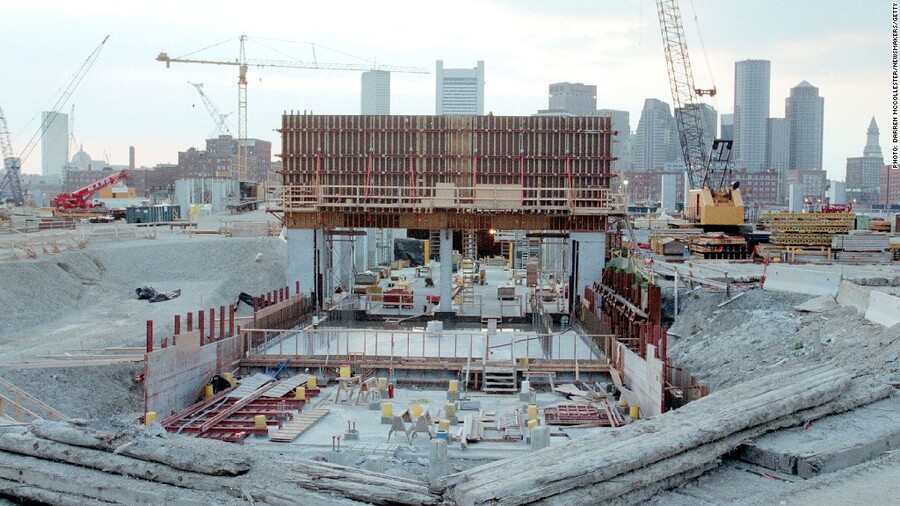
Commonly thought of as the most advanced highway project in the United States, the Big Dig replaced Boston's deteriorating six-lane elevated central highway (I-93). It did so with an underground highway and two new bridges over the Charles River. It also extended I-90 to Boston's Logan International Airport, and Route 1A. This project created more than 300 acres of open land while reconnecting downtown Boston to the waterfront, and helped clean up emissions due to more efficient traffic flow.
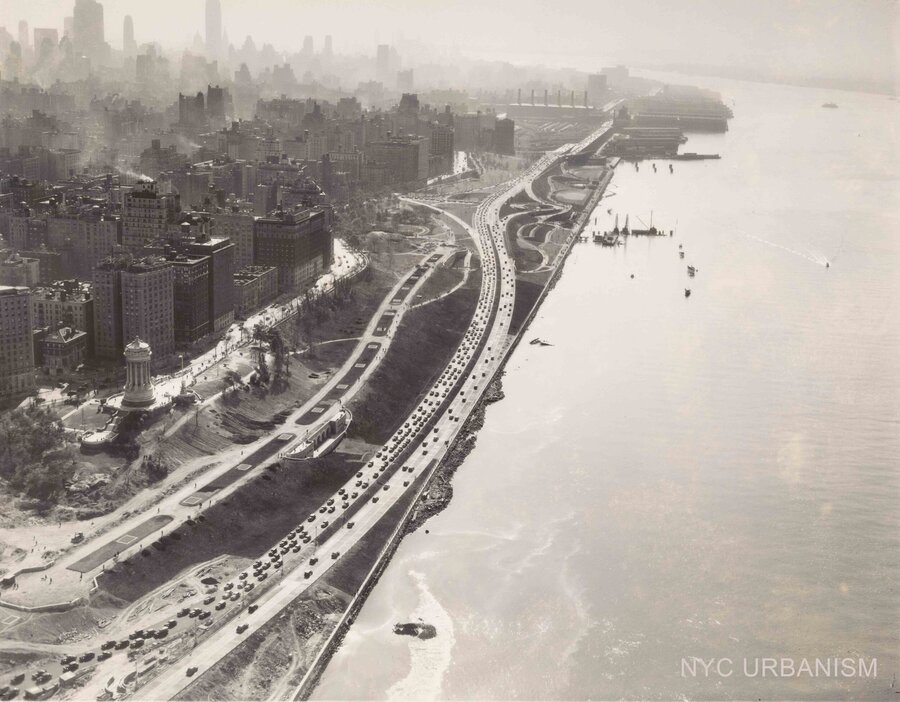
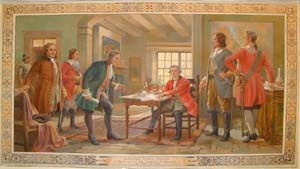
Thomas Dongan, the mayor of Manhattan at the time, signed the Dongan charter in 1686 allowing for additional building out onto the New York Harbour, influencing and increasing international trade.
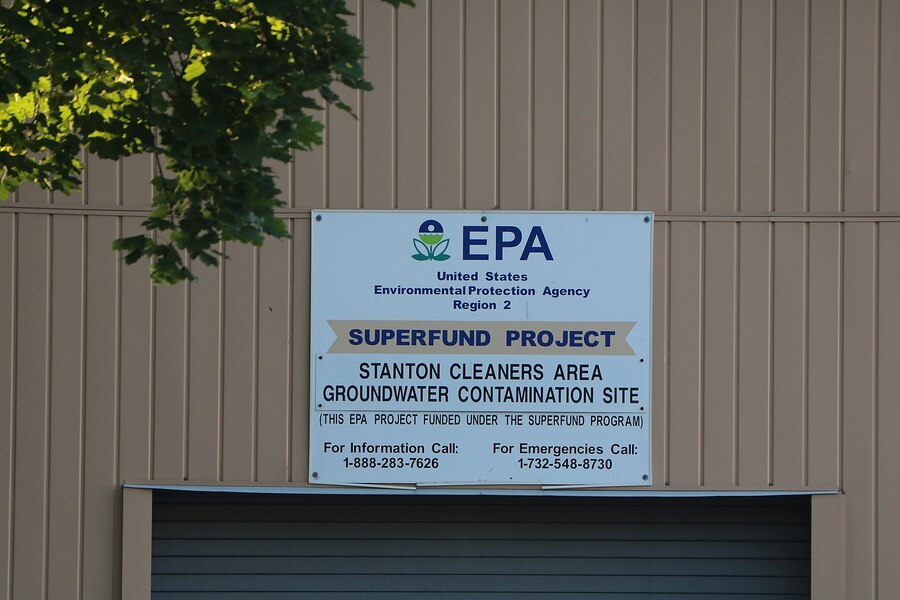
According to the Environmental Protection Agency (EPA), the store’s disposal practices led to the spread of tetrachloroethene (PCE) “into the indoor air environments of nearby buildings and the groundwater, resulting in a significant threat to human health.” the EPA added the site to the Superfund program’s National Priorities List in 1999.
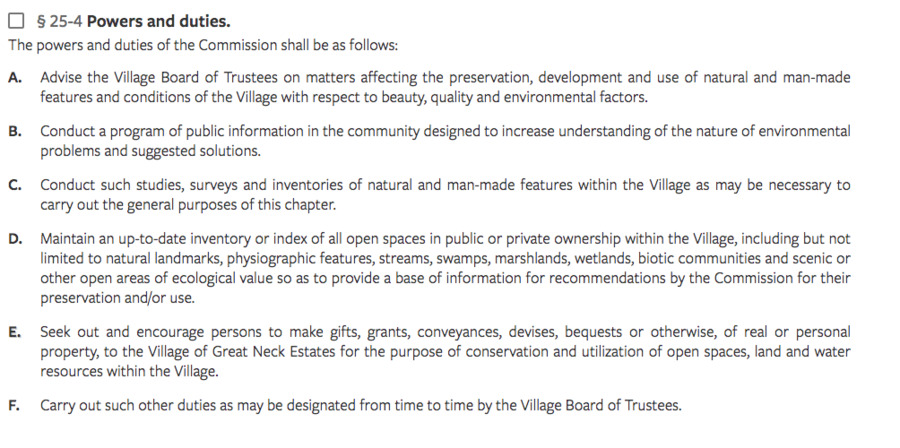
Great Neck’s Board of Trustees adopted the Great Neck Estates Commission for Conservation of the Environment. The commission was tasked with monitoring the preservation and development of natural lands through studies and surveys as well ensuring there was sufficient public information programs to educate the local community with regard to environmental problems.