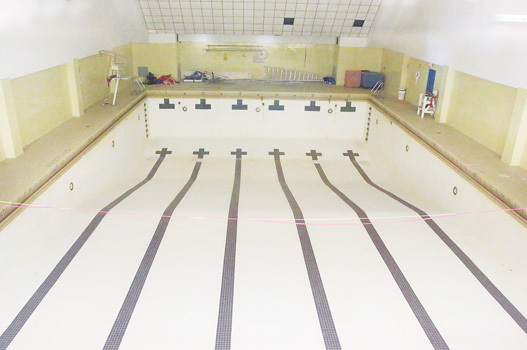
As a result of historical practices of red lining, certain neighborhoods in cities are facing the brunt of the effects of climate change. In places like Gilpin in urban Richmond, Virginia, there is less tree cover as well as less access to parks and community resources. Areas like Gilpin were created through racist zoning practices that kept minorities to certain areas that were underdeveloped. As a result of this, residents do not have adequate access to healthy foods or swimming pools
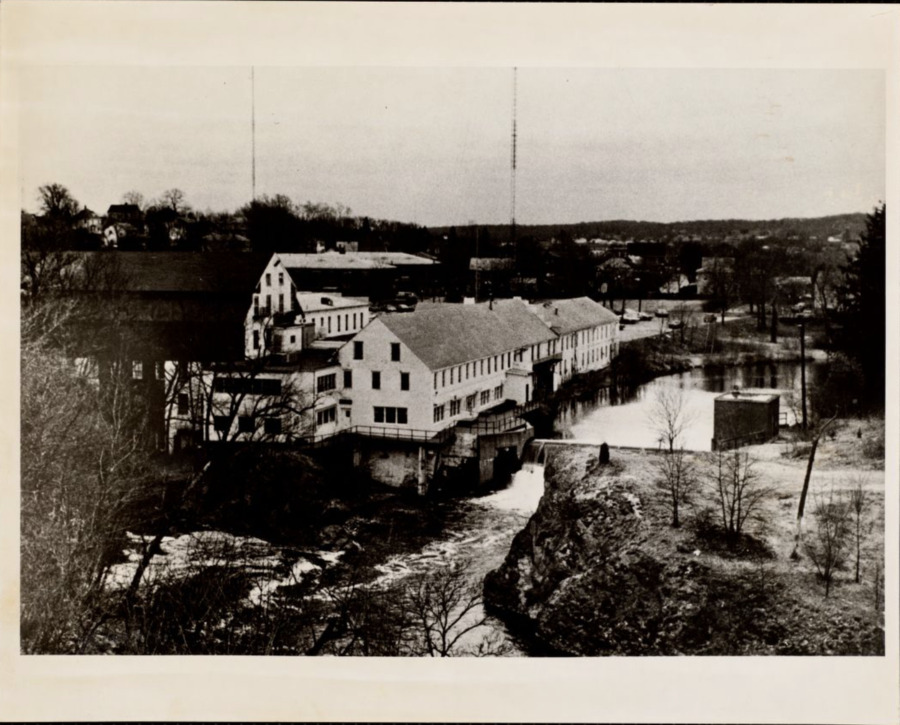
The Charles River runs through much of Newton and was vital in helping Newton residents. One way the Charles River was utilized in Newton was through the creation of mills. One of the first mills in Newton on the Charles River was a paper mill created in 1760. Later, in the 19th century, mills of all kinds were being operated in Newton, such as cotton and thread mills and tobacco mills. In Newton they were producing paper, iron, and cotton more than any other materials. Additionally, there were new manufacturing companies such as nail and silk manufacturers in the Upper and Lower Falls of Newton. None of these companies, especially the mills, would have been possible without the support of the Charles River. The mill in the image was taken in 1905.
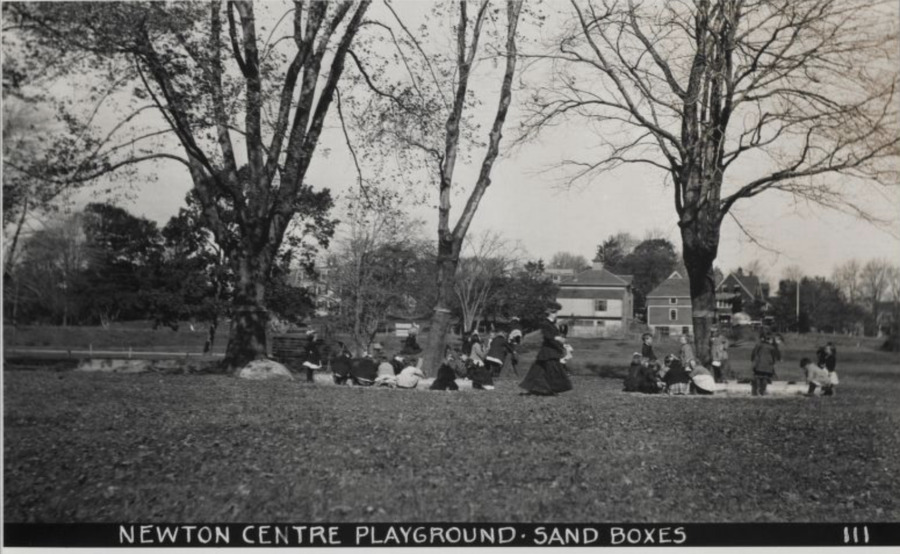
The Forestry Department was created in Newton to care for and create gardens, parks, playgrounds, and other green spaces for the city. The new parks and playgrounds helped to promote suburbia to the rich families in Boston who wanted to escape the noise of industrialization and provided new recreational spaces for the residents of Newton. Due to all these projects in the early 1900s and the naturally beautiful landscape, Newton is known as the Garden City. These projects were happening around the same time as the conservation movement was gaining momentum from President Roosevelt and Gifford Pinchot.
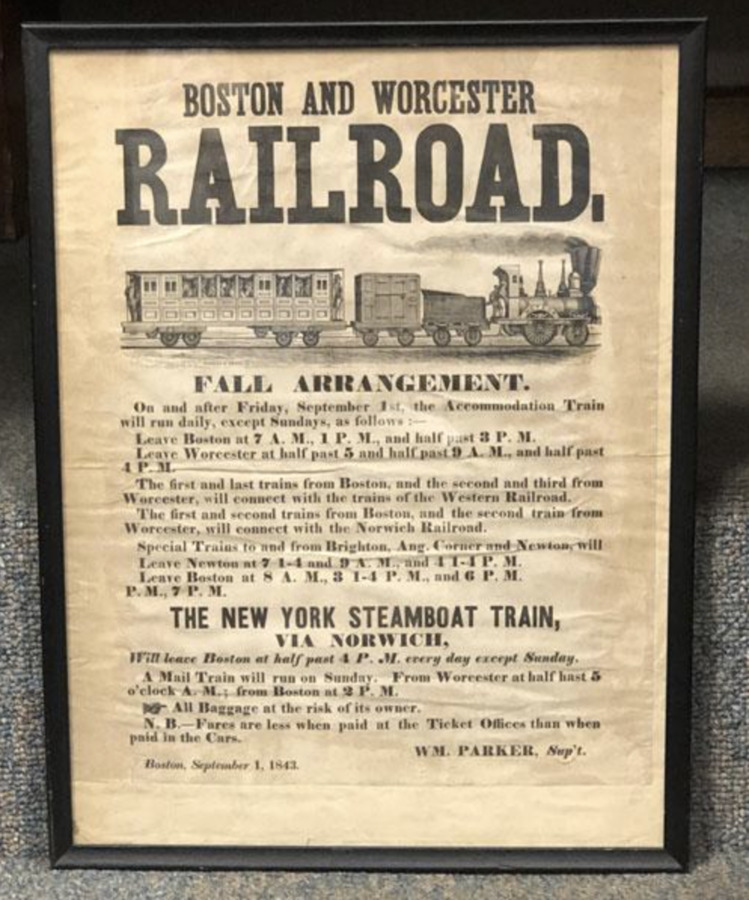
As railroad production began to boom, the Boston and Worcester Railroad was built, and Newton was one of the first stops created along the railroad. This was a huge advancement for Newton because it allowed commuting to and from the city for work to gain popularity. As the railroad serviced more and more people, Newton was able to develop more as a suburb.
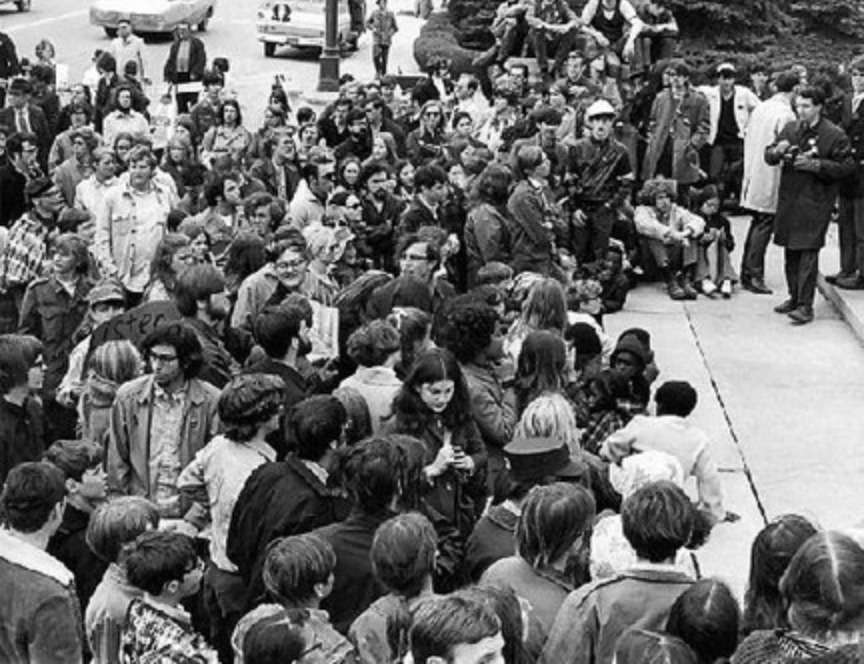
On April 22nd of 1970, an estimated 20 million people from across the United States participated in demonstrations for the first Earth Day. Championed by Gaylord Nelson, a Wisconsin senator, Earth Day was a celebration that consisted of activities such as teach-ins and protests. In Madison, WI, many students of UW-Madison spent the day marched up and down the streets surrounding the Wisconsin State Capitol. Prior to Earth Day, the mayor, backed by city police, had revoked the permit for the coordinated parade/protest Madisonians had arranged. However, a group of passionate students marched on, confronted with riot-equipped policemen. Eventually, only a group of 30 protestors made it to the capitol, ending their demonstration by picking up litter on the capitol lawn.
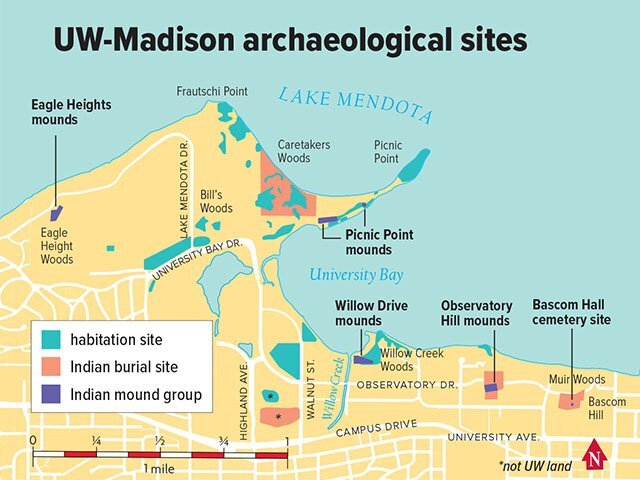
Following the 1830 Indian Removal Act, the state government forcibly removed members of the Ho-Chunk nation from the area in 1832. Prior to this event, the Ho-Chunk had occupied the area for over 12,000 years. The first treaty signed after the Indian Removal Act coerced the Ho-Chunk people into giving up their lands south of Portage Canal, which encompasses where the city of Madison is today. Omar Poler, UW-Madison's American Indian Curriculum Services coordinator, reportedly calls that treaty "Madison's founding document." He says, "without that treaty, there's no Madison."
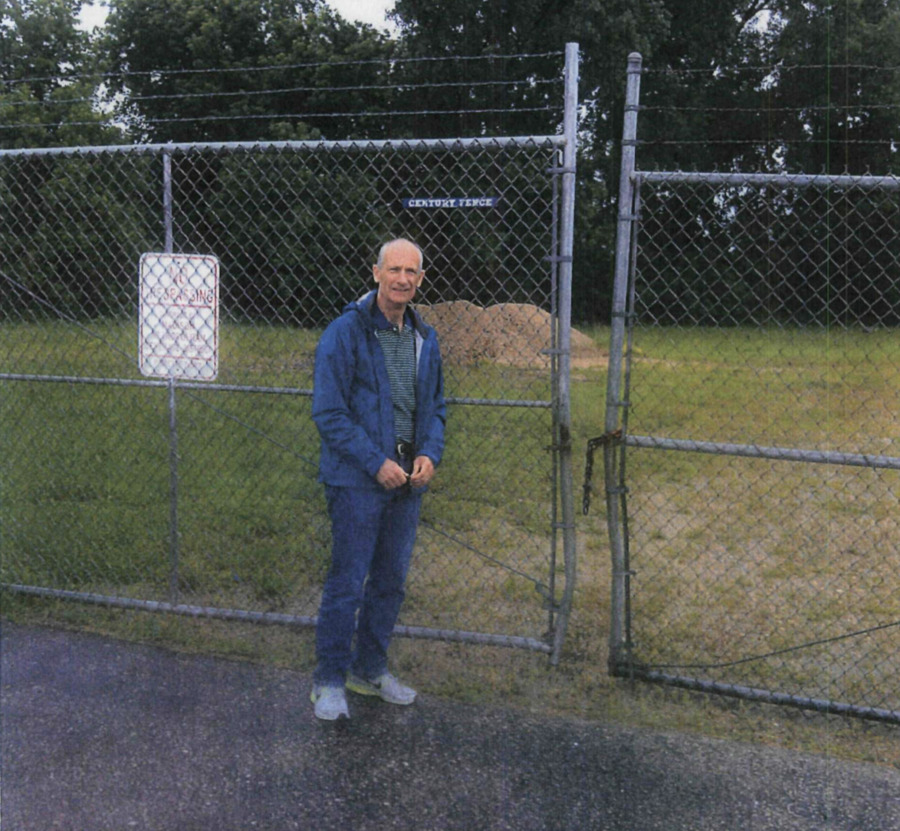
In April of 1970, 1 of the 2 sludge lagoons belonging to the sewage treatment facilities of south Madison partially collapsed, releasing 85 million gallons of sludge into a nearby ditch. Initially, a management plan suggested reusing the sludge as fertilizer for agricultural land in the area. However, in 1982, it was determined that the sludge had high levels of PCBs, thus leading to the addition of the site to the EPA's Superfund list in 1990. The site achieved the status of "ready for anticipated reuse" in 2010 after the construction of a soil and fabric cover over the lagoons and after waiting long enough for PCB concentrations to adequately decrease. The attached picture shows the installation of a site security fence.
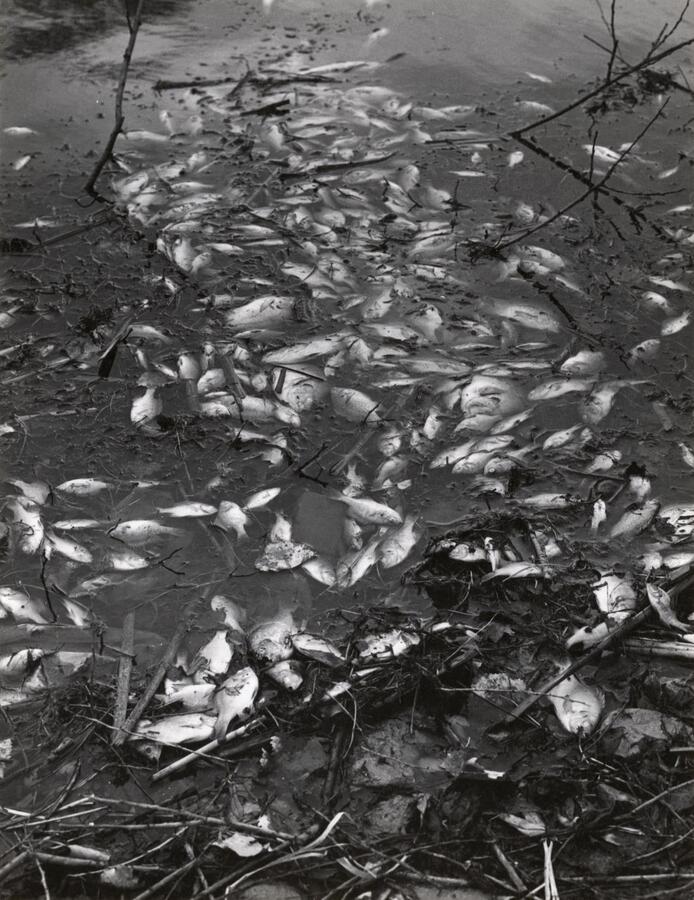
In the late 1960s, Madison's creeks and streams flowing into Lake Monona were seeing large amounts of pollution and subsequently many fish deaths. Sewage treatment plants in Madison were discharging water containing high nitrogen and phosphorous into nearby rivers, causing algal blooms that deprived the water of oxygen. Aside from 4 sewage treatment plants, meat company Oscar Mayer and Co. was also listed by the Wisconsin DNR as a polluter. After completing a water pollution survey of the area, the DNR issued pollution abatement orders to each of the suspected polluters.
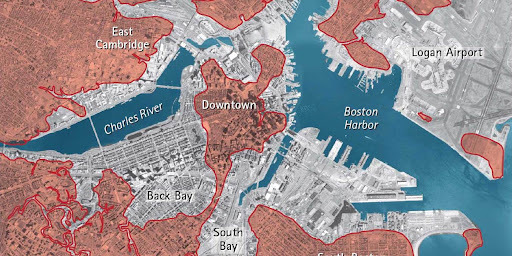
The original city of Boston was just 738 acres on an isthmus. Through countless land reclamation acts Boston has filled in much of the bay adding countless more acers. In 1857 the city took on a project to fill 600 acres of tidal basin with gravel, creating the Back Bay, the most ambitious land reclamation project at the time. Mill pond was originally created to power mills during the 1700s, but it was filled in in 1828 to add 50 acres to the city. The entire 189 acre Logan airport was built by the US Army during World War I on what was more tidal basin. Countless more projects filled in south Boston and the remaining area to create the modern shoreline.
Scientists first noticed global ozone depletion in the late 1970s, and when evidence of the association between ozone depletion and CFC prominence developed, a global effort to curb usage and production of CFCs began. In 1987, representatives from 43 countries signed the Montreal Protocol on Substances that Deplete the Ozone Layer, in which they agreed to freeze production of CFCs at 1986 levels as well as reduce production by 50% by 1999. This protocol went into effect 1989 following a meeting in Finland, and since then it has undergone many revisions and many new countries have joined. The phase-out schedules for developed and developing countries have continuously changed and new compounds have been added to the list of controlled substances. The protocol became the first universally ratified environmental treaty, so it is not only relevant to American environmental history, although America was one of the leading nations to develop the treaty.
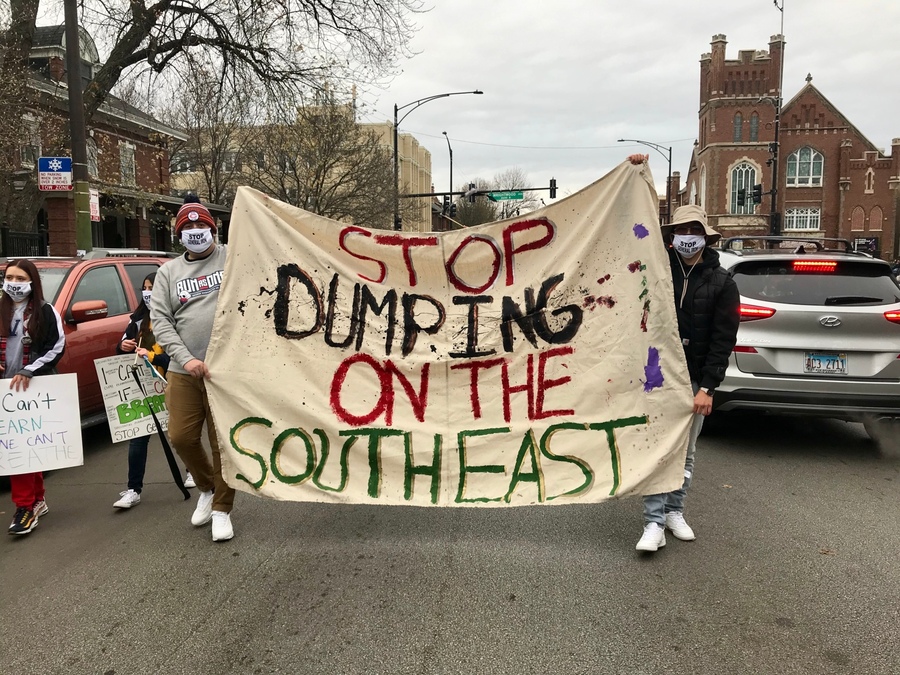
General Iron, a metal shredding company has been attempting to relocate from its Lincoln Park neighborhood to the southeast side of Chicago. The building has already been made and is ready for use but the permit that would allow for the building to be used was delayed due to protests by people living in the neighborhood it was planned to move to. It was protested because of the air pollution that would come with it, these protests were heard by the government and so the permit was denied. The permit will not be approved until the EPA finishes investigating the pollution output that would be being moved to this place. This is relevant to American environmental history because it is very similar to the situations of environmental racism that we discussed in class. The neighborhood General Iron was attempting to move to is predominantly latino and already has been dealing with other environmental hazards. This environmental issue is very similar to the things we have learned about in class and shows how history tends to repeat itself unless we break the cycle.
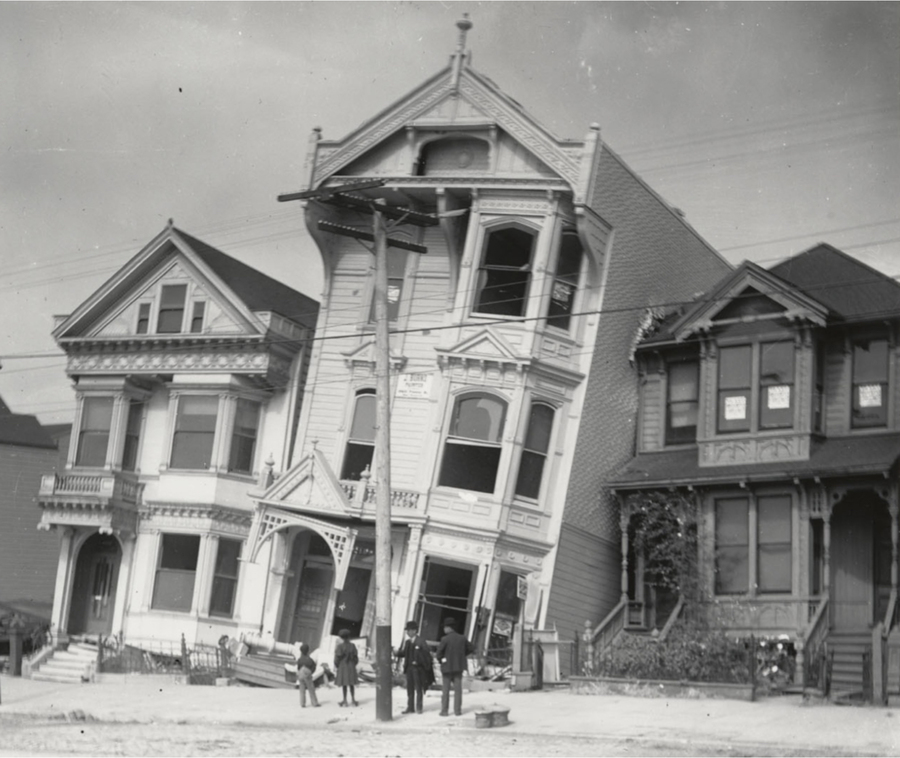
When the San Francisco Earthquake hit on April 18, 1906, there was serious damage to many of the homes that were built on non-firm land near the water. Homes were being built on land that was once not solid ground, so this land was not as firm as land needed to be to truly support a house. When the earthquake hit, these homes that were built on non-firm land, began to sink into the ground because the land underneath turned to almost a liquid form, which was unable to support a house and keep it upright. Thousands of homes were damaged in a similar fashion because San Francisco, during this time period, began to build many houses in areas near the water that were built on non-firm land. San Francisco is a place with many hills so it was challenging to find the space to build more homes. That's why homes began to be built near the water, on land that was once not solid.
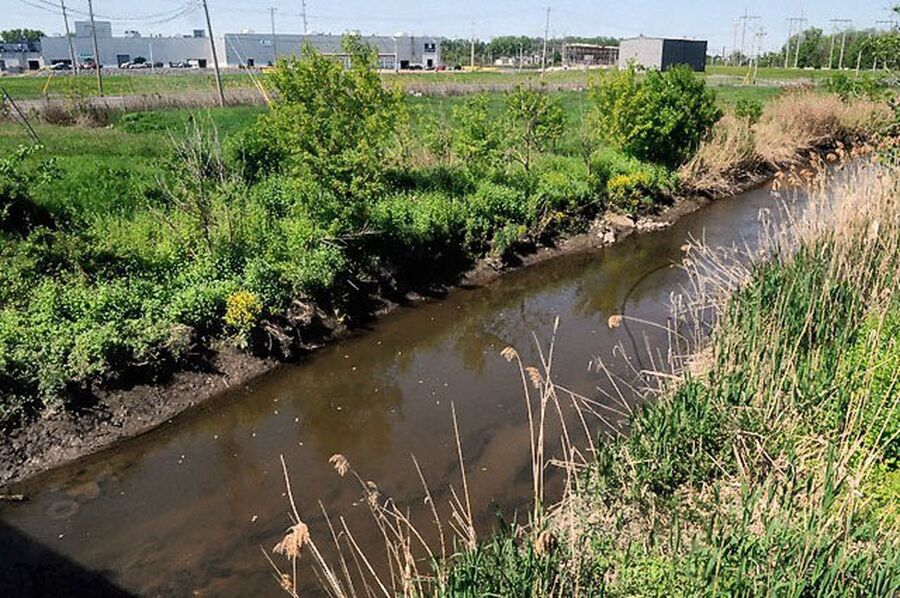
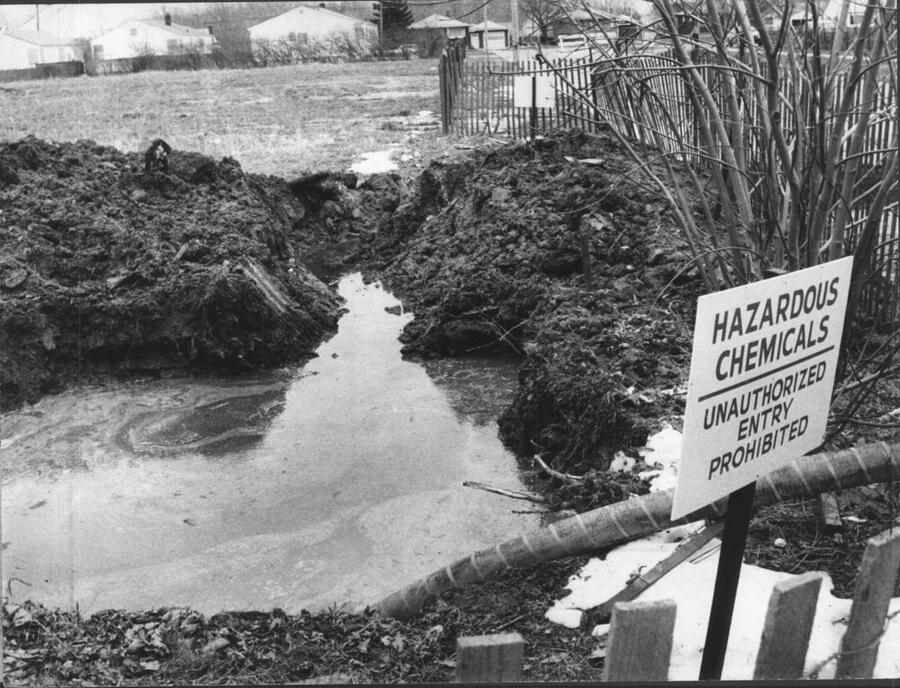
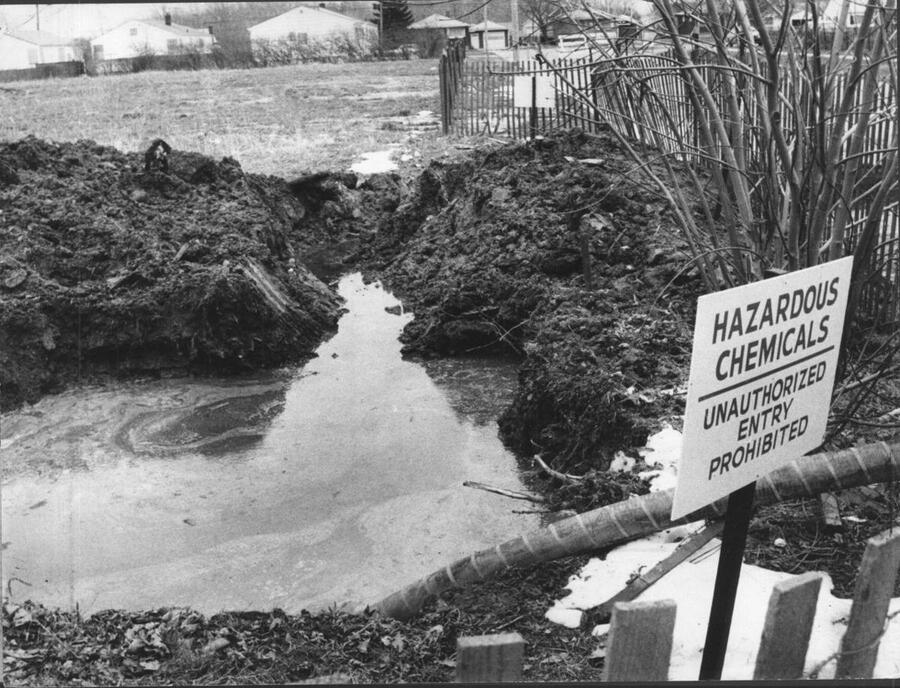
Toxic waste from the General Motors Inland Fisher Guide plant was found in the backyard of 19 homes in Salina, NY. PCB's were found to have been buried in these backyards, creating a major health risk for those residing on the land. The company that produced these chemicals closed in 1993, leaving behind toxic pollution in Ley Creek, which flows into Onondaga Lake in Syracuse. This trail of waterways allows the PCBs to travel and end up in inconvenient locations such as recreational and household land.
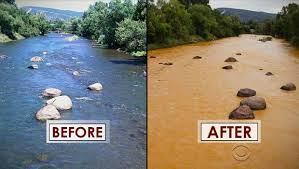
The Gold King Mine spill occurred when contractors working for EPA opened up a tailings dam which is a sealed embankment to store mining byproduct and wastewater. This opened tailings dam then flooded into the animas river and the Colorado River system and leached heavy metals into the water.
The Superfund Act was signed in 1980 and sought to target chemical waste management by investigating and cleaning up waste sites as well as label potentially hazardous location created from toxic waste. The Act also attempted to identify and reprimand all parties that release polluters into the environment.
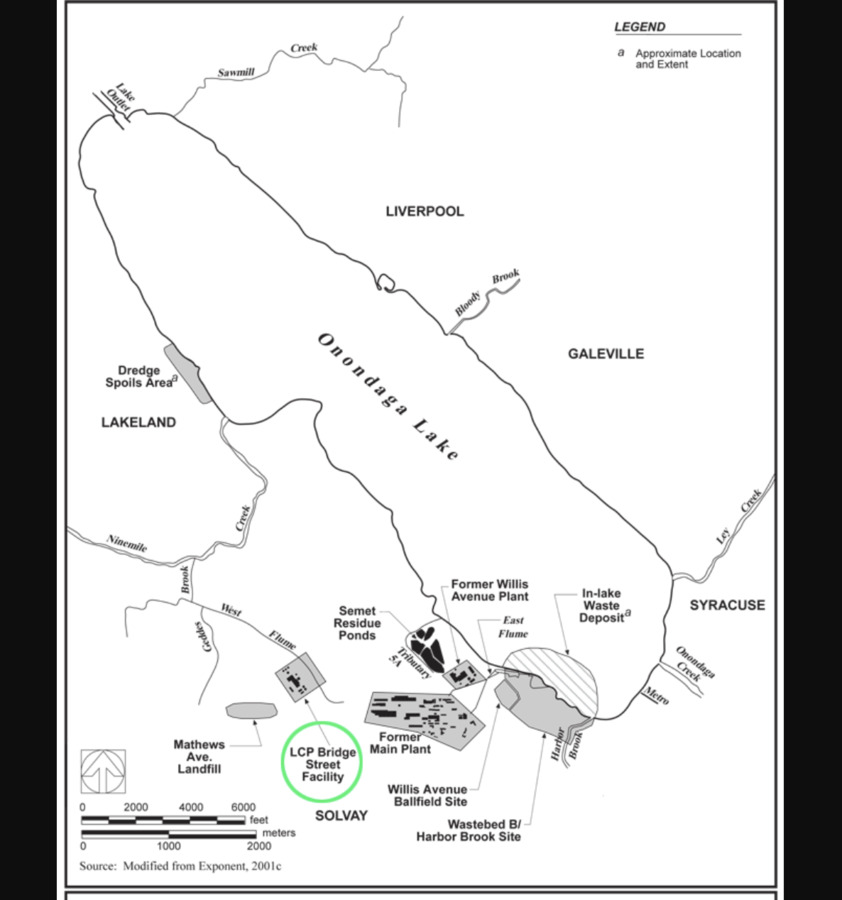
The Allied Chemical Company had a chlor-alkali plant in the city of Syracuse located right near Onondaga Lake. It was found that chemicals such as xylene, mercury, and chlorine gas. These toxic chemicals spread through out the air and the ground, contaminating groundwater and eventually ended up in the soil, plants, and fish in the lake. Clean up from this company has still not been completed.
Love Canal came to be after construction was halted on a canal project that branched off of Niagara Falls. Hooker Chemical Company who was located nearby saw this failed project as an opening for removing 21,000 tons of toxic chemicals by simply dumping them in the empty canal and covering it with clay. The disheartening detail involved is that the Government officially sanctioned Hooker granting them the free improper dumping rights. The biggest heartbreak with Love Canal is that the Government then allowed houses, parks, and schools to be constructed on the toxic waste dump. New York Officials and School Board members knew of the dangers, but instead chose to publicly hide them because of the cheap cost of the land. Not much was said or done until 1978 when a mother began to connect the dots between the buried canal and all the sicknesses involved in the small community. Her small, grass-roots door-to-door lobbying was difficult and small at first, but eventually grew to the national level after getting past unhelpful officials. Finally, in 1978 a state of emergency was declared and 200 families were removed. Nature is always changing and the altered water columns surrounding the Niagara caused these toxins to leak. Removing 200 residents was not enough; everyone had to go. In 1981 Regan declared another state of emergency and all remaining families were removed. Clean up projects were activated in attempts to fix the damage. In 2004, Love Canal was finally fenced in and allowed to grow naturally without the impact of humans due to the 82 horrible toxins and carcinogens that lay below the ground.
On the very first Earth Day ever observed, protestors in the city of Syracuse organized a "sludge trudge," touring the parts of the city contributing the most to the pollution problem. Onondaga Lake was the most polluted lake in the country due to all of the industrial pollution factories in the city created. Swimming in the lake was banned in 1940 lasting up until a few years ago when they declared it was "safe" to enter.
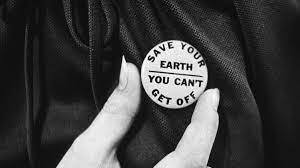
Earth Day was the result of the environmental movement of post war America, Senator Gaylord Nelson was the person who came up with the idea. The event was meant to raise awareness about the present environmental issues, and it quickly became popular around the USA, with over 20 million participating in the various programs. Earth Day also led to some important environmental legislation getting passed.
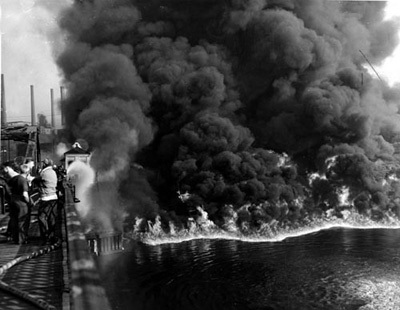
The past century, Cleveland Ohio was a major industrial manufacturing hub. Near the end of the 1960s, waste and sewer disposal lacked any major regulations. All of these pollutants were constantly littered into the Cuyahoga River near Cleveland. This river was considered one of the most polluted rivers in the U.S. because of these conditions. Beginning in 1868, the river caught fire multiple times. The latest occurrence happened in 1969, when a train sped by igniting oil covered debris. There were no major damages and injuries like previous occurrences, but there was a lot more media coverage due to the timing this took place in; right around environmentalism was taking off. Because of this fire, congress was inspired to prevent future events like this again by passing the National Environmental Policy Act on the first day of the very next year in 1970. This act was crucial in establishing the Environmental Protection Agency. So, overall, this event was more impactful legislative wise in comparison to the lasting damage/fatalities caused by the Cuyahoga River fire.
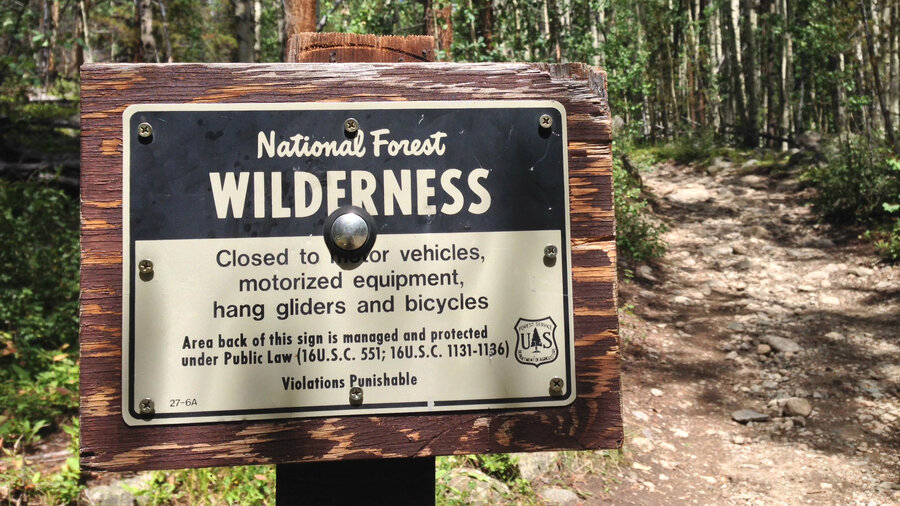
The Wilderness Act was signed by President Johnson to set aside land that would be completely uninhabited by humans. This land was public land that the government said would remain completely untouched by roads, motor vehicles, or development of any kind. The Wilderness Act was an important turning point in American environmental history. The act helped to represent some of the new values of the American people, one of which was enjoying untouched nature.
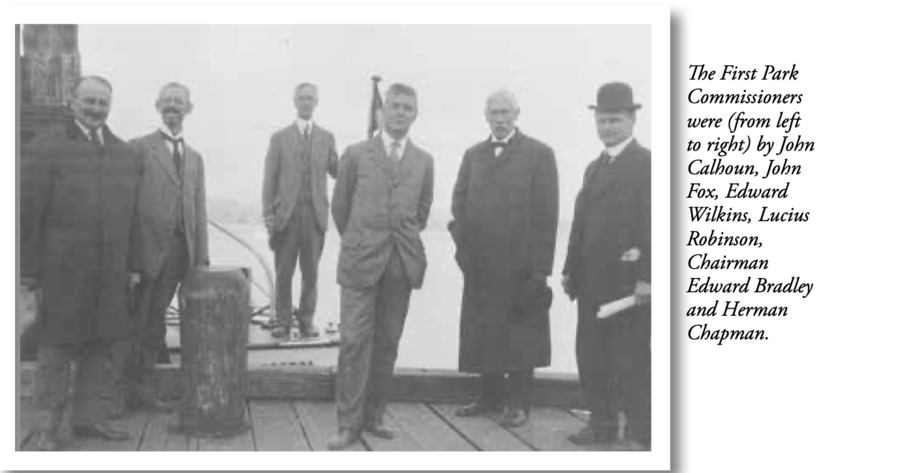
Connecticut was becoming very highly populated, specifically congesting in cities, causing many residents of the state to seek out relief from the packed city life. The first meeting was held on September 29th, 1913 where the general assembly wrote "there was the need, desire and opportunity to begin a State Park Commission in Connecticut". A systematic examination of Connecticut's landscape was made by a man names Albert M. Turner who traveled the 254 mile Connecticut coast to determine what land had state park potential. Upon return, he established Bluff Point in Groton, Hammonasset Beach in Madison, and Sherwood Island in Westport to be the first Connecticut State Parks.
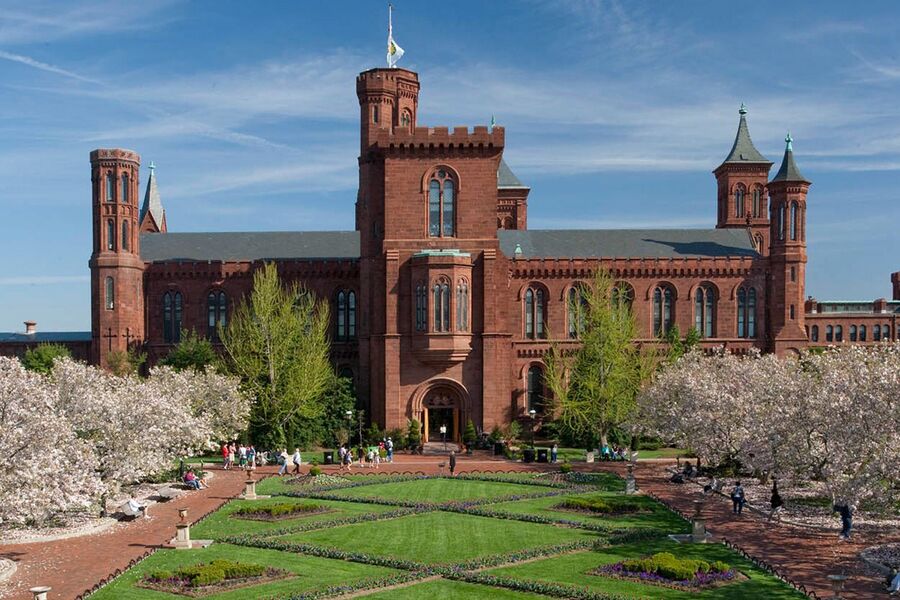
The Endangered Species Act, signed by President Nixon in 1973, provided the framework for the conservation of endangered species and their habitats. For this act to fulfill its goal, it was essential to have a comprehensive understanding of what species could be considered endangered and what species needed protecting. In 1975, the Smithsonian Institution proposed a list of over 3,000 species that could be considered endangered or threatened and should be protected by the Endangered Species Act.