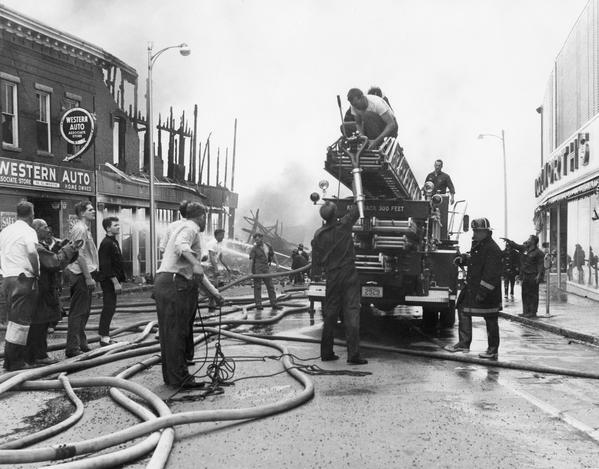
At 4am on June 19th, 1964, Albert Healey set a rug on fire in an abandoned blacksmith shed near downtown Lebanon, NH. Conditions that day were particularly dry and windy, so the flames quickly spread to other buildings in the are, destroying more than 20 businesses and claiming two lives. The city's infrastructure changed considerably after this fire, as the old mill district which had been destroyed was never fully rebuilt
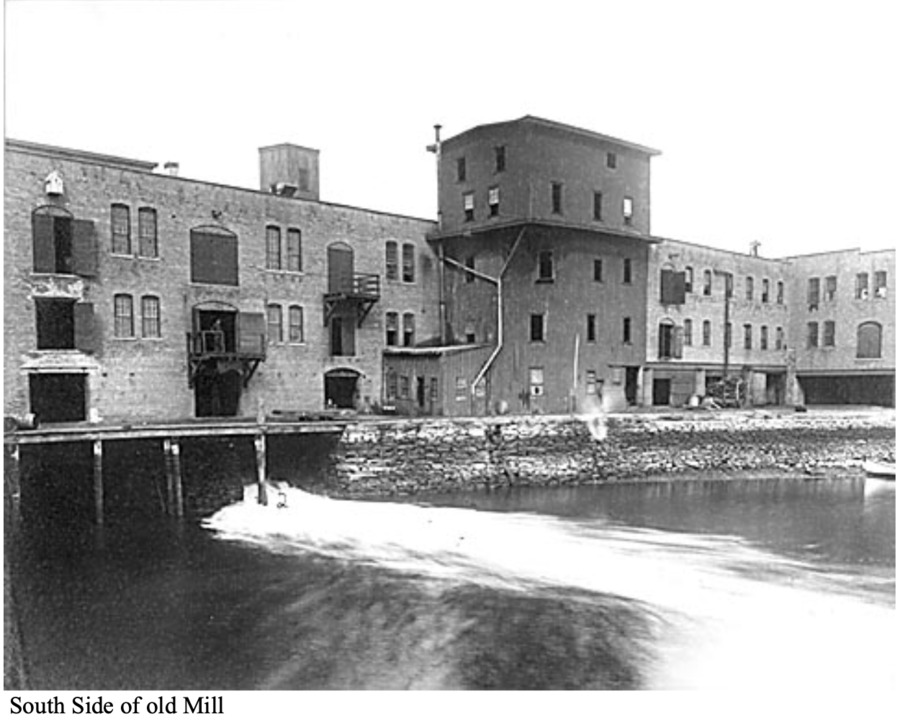
Stamford Manufacturing Company, established in 1844 on Cove island, a piece of land separated from the mainland. The area had been used for water mills since the 1790s. Henry J. Sanford and John C. Sanford converted the mills to a chemical industry, producing drugs and dyewood extracts. In later years the company extended to Westport, Port Chester and Rye, holding mills along the coast in those surrounding towns as well. From 1859-1870, Stamford Manufacturing Co Stamford's largest industry and the world's largest dye extract concern. The focus of the mills changed a few times throughout the company's existence, but the mills were almost completely destroyed by a fire in 1919.
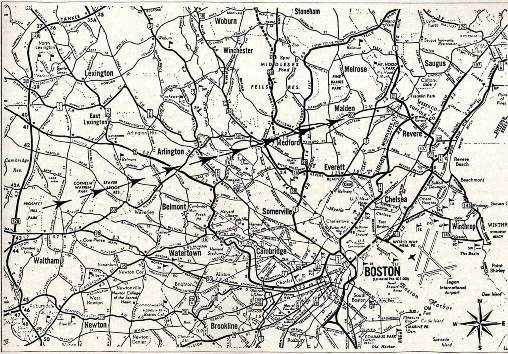
Beginning in the 1840s, Spy Pond in Arlington became a popular destination for ice cutting in the wintertime. Many icehouses began to be built surrounding the pond. During the 1840s, the group Gage, Hittenger & Co. began to make great strides in their ice-cutting business. The ice that was being cut from Spy Pond was being sent all over the world and started causing the ice business in Arlington to boom. It was said that "the Spy Pond ice went all over the world- to the southern states of our country, to the East and West Indies, to China, to India, to South America, even to Australia". (Hurd, 198) This booming ice business was crucial for the residents of Arlington and the Greater Boston area because the 1840s was a time before everyone had a refrigerator and freezer. Ice would have been used as a way of keeping food or milk from going bad, similar to how a refrigerator is used today. The fact that the residents of Arlington had this business in their town gave them the ability to always have access to ice. The ice business at Spy Pond was overall very beneficial for Arlington, MA. It is great to see that people were using the resources around them, such as a giant frozen pond, to make ends meet while also benefitting the town, in the 1840s.
Based on data from 1999, the EPA called the air in New York State, the second dirtiest in the county, only after California. In an air quality report, it stated, "68 out of every million New Yorkers is at risk for getting cancer just from breathing the air."
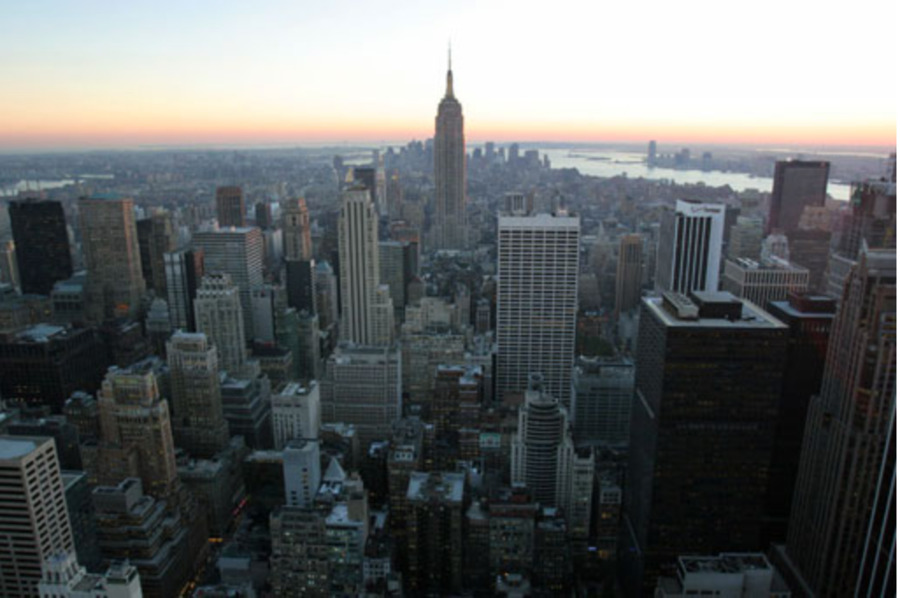
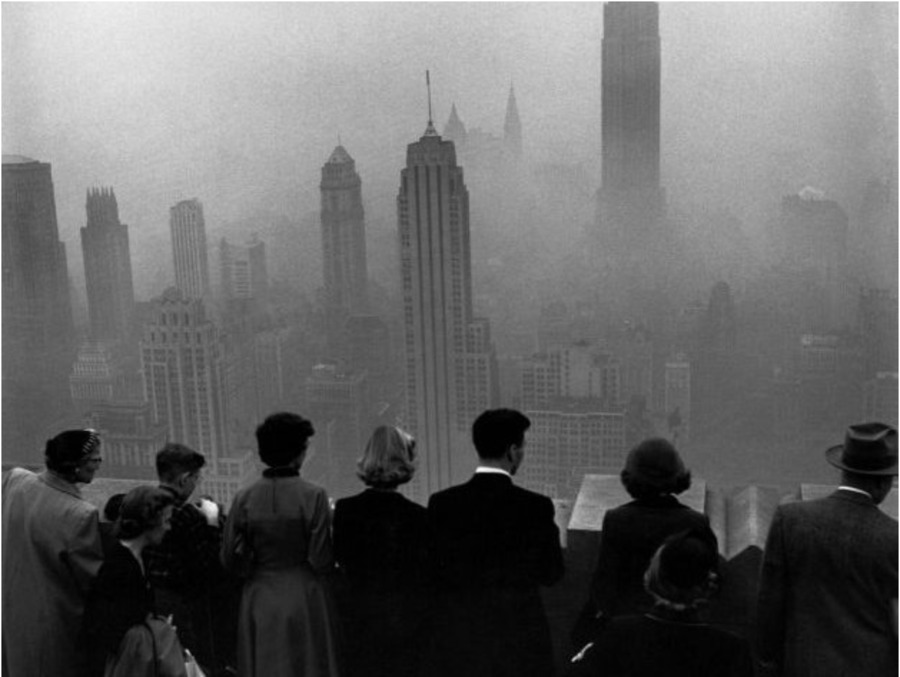
Another wave of smog impacts the city over Thanksgiving as a result of a warmer than usual fall that trapped air above Manhattan, causing an official air-pollution emergency. Beginning on November 24, a dense smog blanketed the city, not moving until November 27 after a cold air mass swept it away. It was later discovered residents were affected by the smog for the following 4 days. In the end, over 10% of the city's population was harmed or had lasting effects.
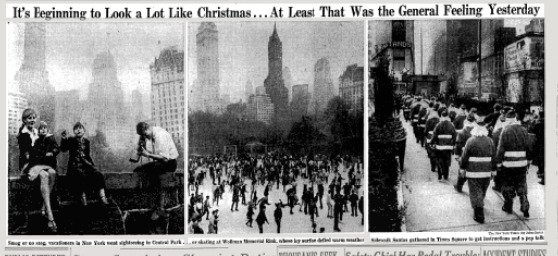
Over a 6 day period in New York City, a dense smog lays over the city. This led to roughly 20-30 death a day as a result of lung and respiratory problems as well a automobile accidents due to lack of visibility. Residents suffered from "... dry, wheezing, watery-eyed coughs" that sent many to the hospital. This was even enough to shut down Times Square-- because you could barely see.
On August 22, 1851, a powerful tornado swept through parts of the Greater Boston area, leaving "West Cambridge (Arlington) a devastated swath which was, in most places, from thirty to fifty rods wide". (Hurd, 189) Although the tornado swept through Arlington for only a few minutes, a considerable amount of damage was done to the town. People lost homes, businesses, crop fields, and numerous other things in a matter of minutes. It was said that there was roughly $25,000 of damage in Arlington alone. Luckily, there were no casualties in Arlington as a result of this powerful storm. It was said that the people who witnessed this tornado described it "as a dark cloud sweeping over the surface of the country with frightful speed". (Hurd, 189) The residents of Arlington must have had no idea what this powerful storm was because there had never previously been a tornado in the Boston area prior to 1851. Tornados also do not usually occur in Massachusetts or the New England region. Tornados are likely to occur in the middle region of the United States, in places like Kansas. Following the storm, the residents of Arlington met in the town center and raised money for relief efforts to cover the cost of the damages.
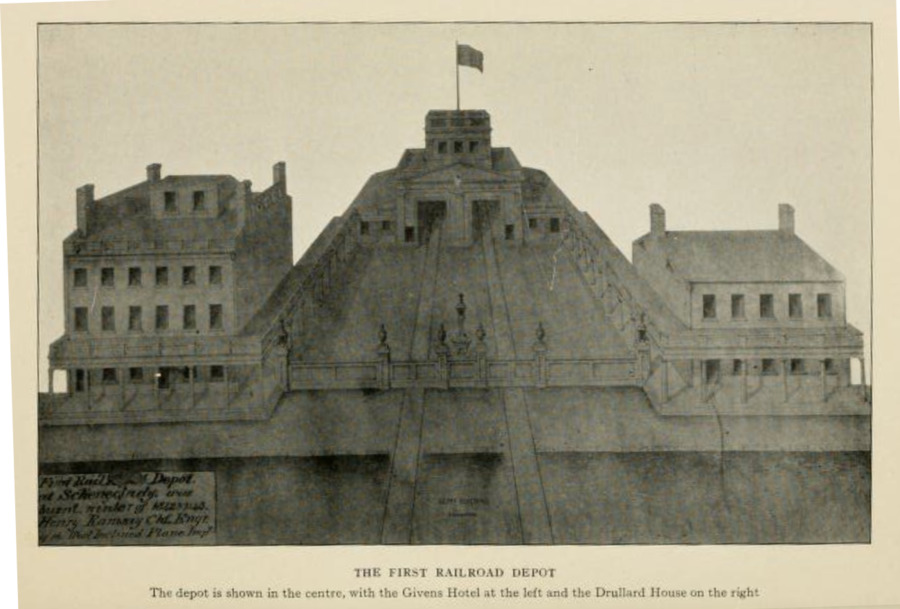
Mohawk and Hudson Railroad was the first built in the state of NY (April 17th, 1826) and is one of the first railroads in the United States. The purpose of the company was to take passengers traveling using the Erie Canal from Schenectady to Albany. The reason was to bypass the Cohoes falls entirely and cut down the time needed to travel in between these two cities from a whole day to under one hour. The company changed to Albany and Schenectady Railroad (1847), then the New York Central Railroad (1853). Just as many parts of the Erie Canal were shut down the railroad companies also shifted throughout the years but many of the tracks still stay in the general area in which they were built many decades ago. These tracks go through the heavy industrial part of Schenectady which creates industrial pollution as a byproduct of the train running and the potential contaminants that it carries. This was another site where I collected dirt samples because of the potential contamination in the soil.
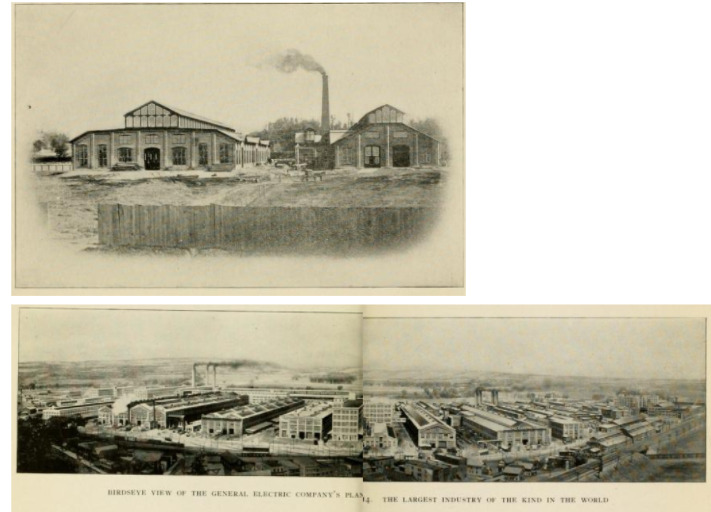
General Electric Company grows from a small plant in 1886 (Top picture shown) to 1914 plans (Bottom Picture).
The business grew to such an extent that offices were established in the principal cities in the US and foreign countries. The original plants at Schenectady, Lynn and Harrison, N. J., were retained and enlarged, while other plants were added. The principal manufacturing plants now are at Schenectady, N. Y., Lynn, Mass., Pittsfield, Mass., and Harrison, N. J. The company also has plants at Erie, Pa., Fort Wayne, Ind., Toledo. Ohio, Cleveland, Ohio, Newark, N. J., and East Boston, Mass.
This connects to a new age of manufacturing and a new age of polluting. I myself went to try and grab soil samples for my stats project near the main plant on 1 River Road and the security is airtight and there is no obvious soil samples to take.
The company covers the entire building grounds with grass covering and extra soil to keep contaminants out of the eyes of the public. There is a long history of super fund sites that surround this area and the general wealth of surrounding neighborhood that I collected samples from visibly show the deterioration that GE caused in the immediate area.
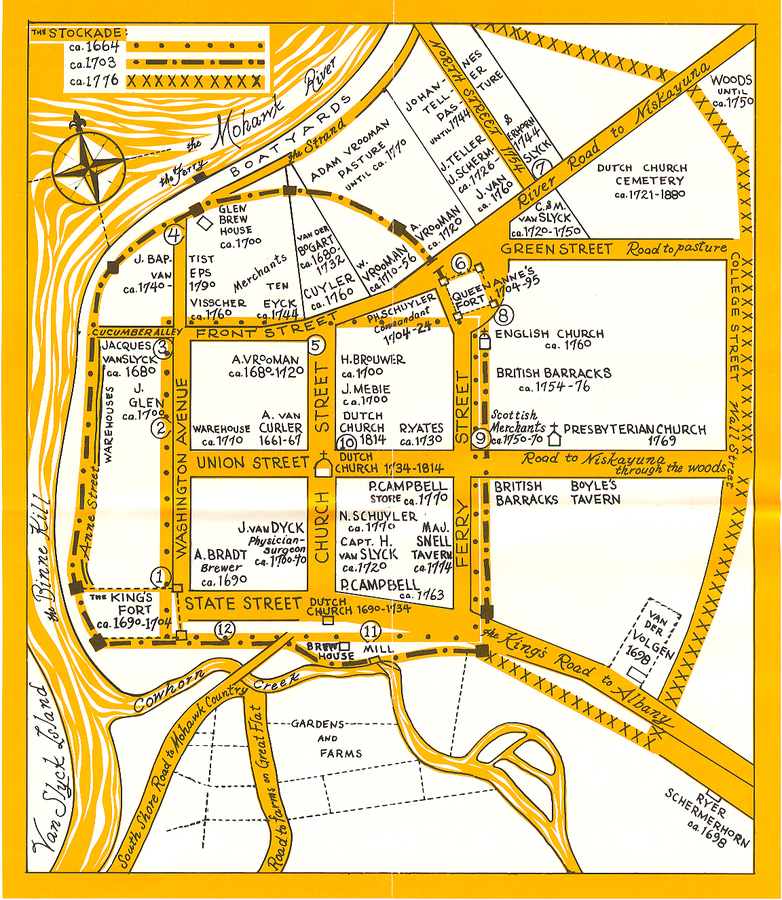
Schenectady struggles to maintain order as the city was newly built and public land was plentiful. One of the more prominent issues was the stealing of timber. The City Council had problems with individuals just ignoring fees and hired guards would just join in on the stealing of timber as well. All trespassers had to do was to fence off an area and start a farm then years later the city would sell the land to them for a tiny sum of money instead of getting into a costly lawsuit. The city would also try settle these disputes with "delinquents" by fining them to pay for their own prosecution.
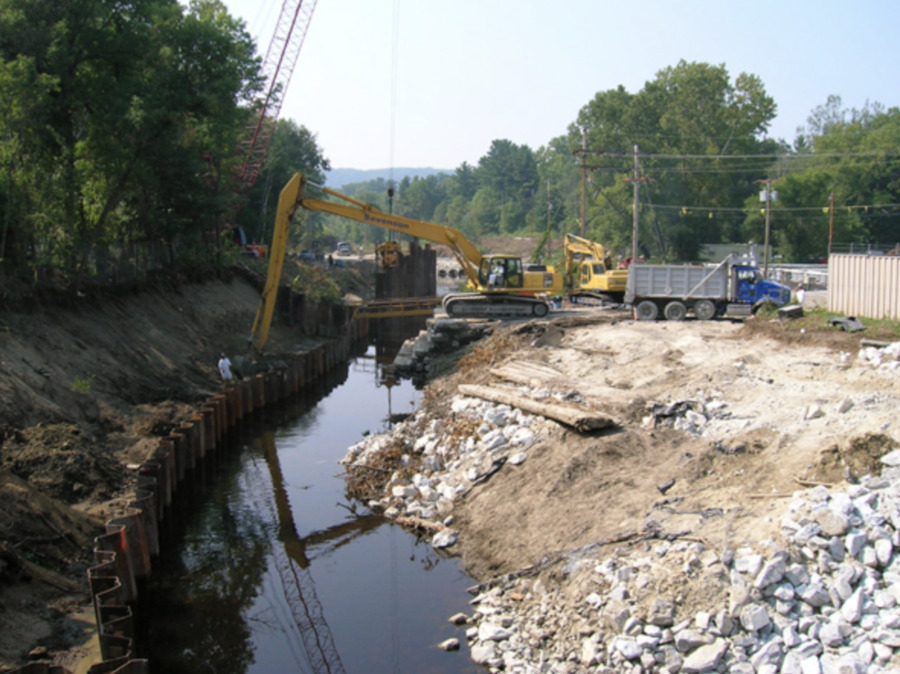
After over six months of intense negotiations with GE with no common ground being found, the EPA announced an initial plan to remediate PCB contamination in the Housatonic River. While GE had expressed, "concern whether remedial actions — other than taking no action — are justified in light of engineering feasibility, environmental effectiveness, and cost considerations” , the EPA ordered General Electric to clean up the first two miles (out of the outstanding 12.5 miles of majorly contaminated river) of polluted land. The agency also announced its plans to designate the area a Superfund site. It would take another year of negotiations to produce an agreement on the remediation of the first half-mile of the river, with GE being given until 2005 to complete this initial cleanup.
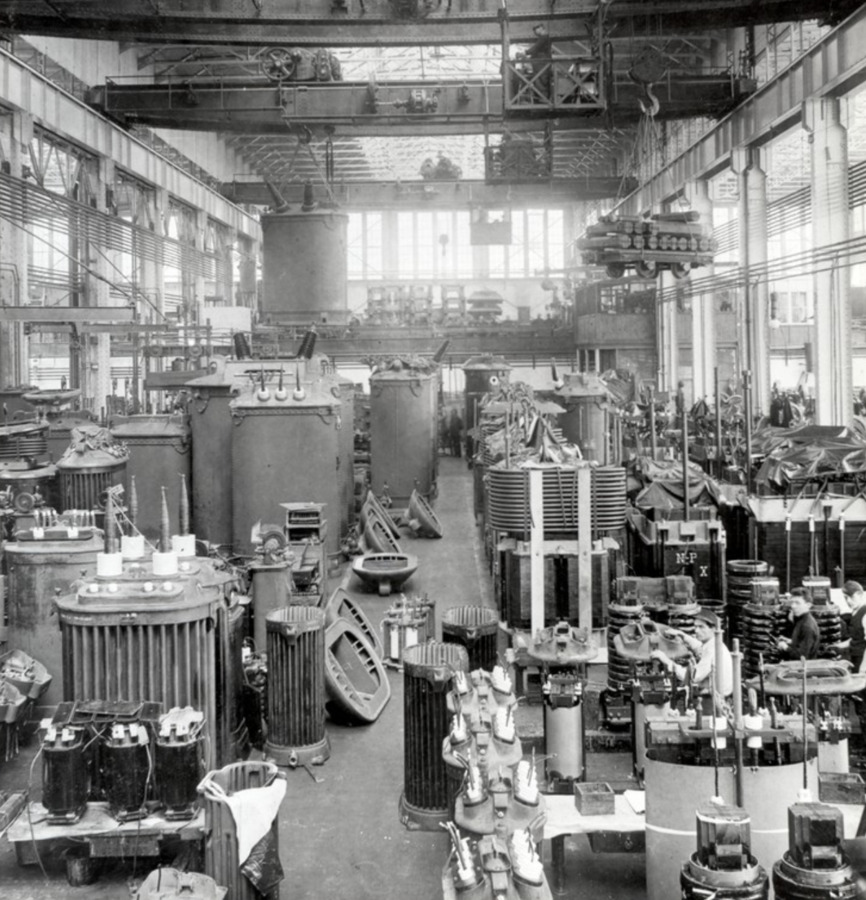
During the 1930s General Electric Began using PCBs as a lubricant in their manufacturing process of electric transformers. In 1969, GE began dumping about 1,143 pounds per day of suspended solid waste directly into the Housatonic River which had become a popular waste removal method for local sewage and industry. Between 1932 and 1977, the company released a total of more than a million and a half pounds of PCBs into the Housatonic and the greater Pittsfield area including Silver Lake.
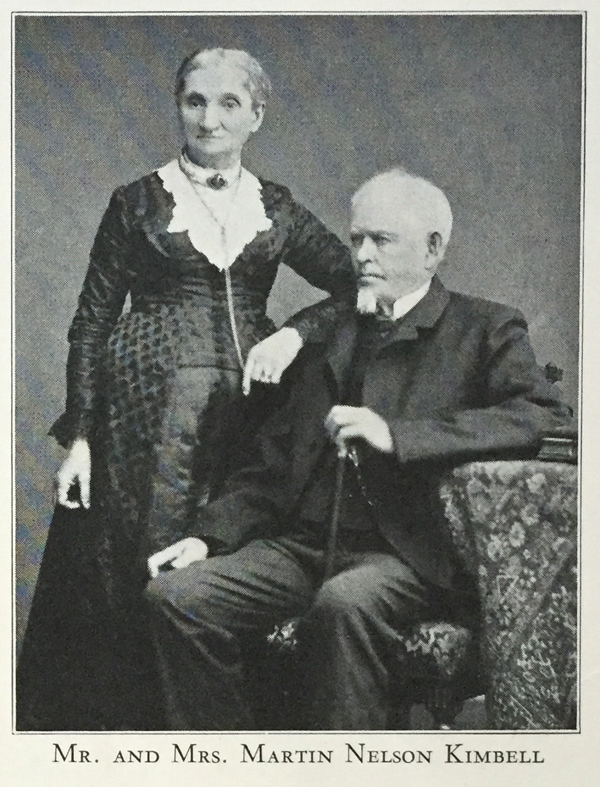
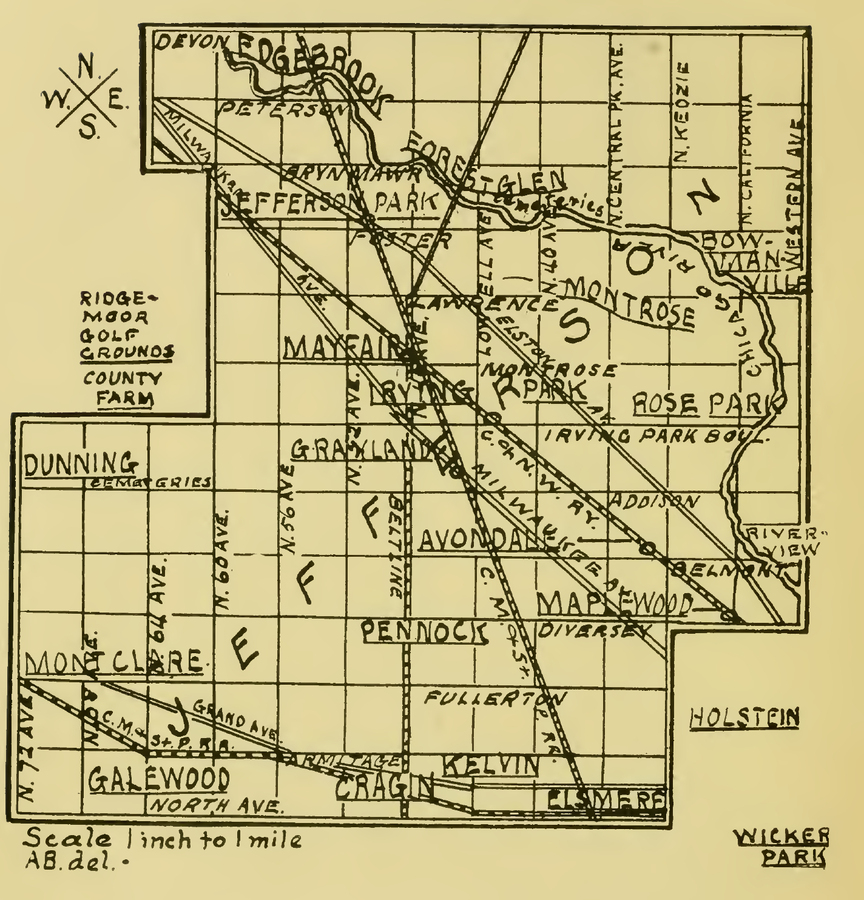
Martin Nelson Kimbell was the first white colonialist settler of the Logan Square area. He moved there from New York and bought 160 acres of land in 1836. This land is what would later become Logan Square. His buying up the land was important because it led to businesses and roads being built in the area and people began to be more attracted to the town as it developed. It didn’t get annexed into the city until 1889 which is what led to it developing and becoming an important neighborhood in the city. There is a road going through Logan Square named after him but they changed the spelling to Kimball instead of how his last name is actually spelled.
The great Chicago fire that happened in 1871 burned down a lot of the city and so afterwards restrictions on building intensified throughout a lot of the city. Jefferson Township which is what is now Logan Square was outside of the limits of these restrictions so the houses that were built in the neighborhood could be built more inexpensively. This made this place very appealing to immigrants who were looking for affordable housing, which led to the high populations of immigrants throughout the development of the city. This is an important part of Logan Square's history because it led to the array of immigrant populations in Logan Square even up until recent history.
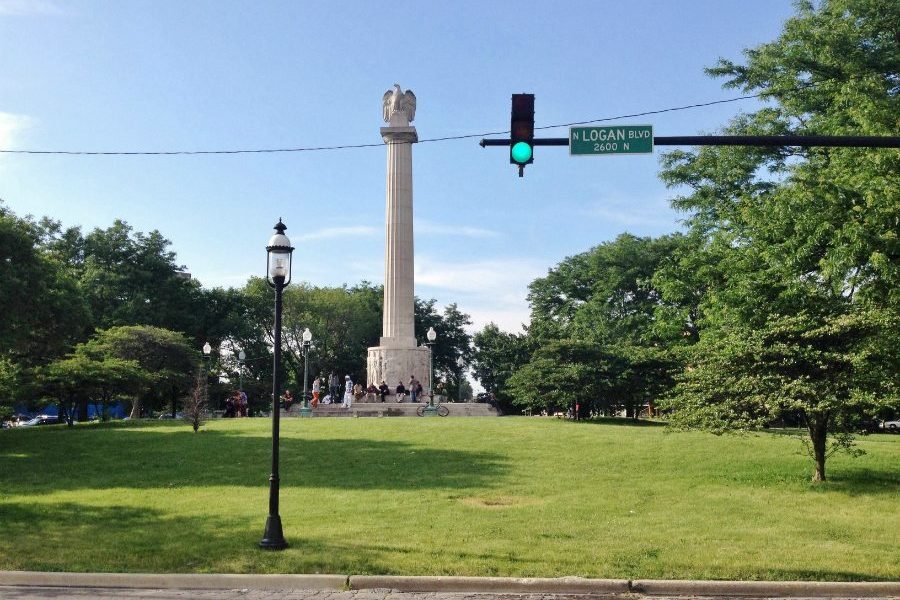
The Centennial monument which sits directly in the middle of Logan square represents the history of Chicago as a whole. It was dedicated in 1918 after World War 1, to mark 100 years since Illinois became a state. The images on the side of the monument represent the history of Chicago. Depicted on one side are Native Americans and a Jesuit Missionary and Pioneers. On the other side are figures that represent fine arts, agriculture, labor, and transportation. The pillar going up from those carvings was inspired by the greek which symbolizes the first true democracy. Finally the eagle on top represents the Illinois flag. This monument represents a lot of different factors of history and is an important spot for people to come together in the center of Logan Square.
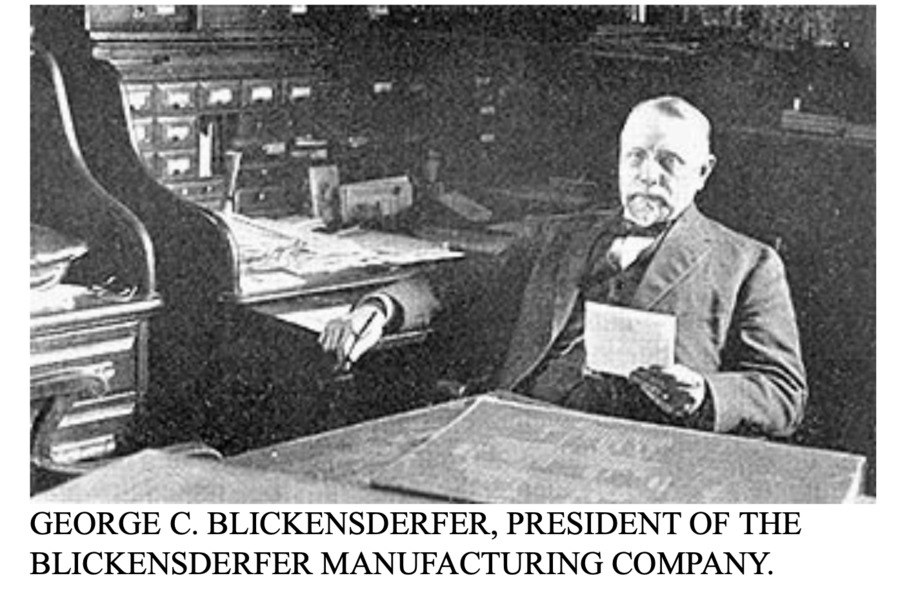
George Canfield Blickensderfer invented the Blickensderfer Typewriter in the 1850s. His model drew huge interest, and he rented a factory on Garden Street, Stamford, CT to manufacture them. Due to international demand, he then opened a more modern factory on Atlantic street. His company became one of the world's largest typewriter manufacturers. It employed about 200 people and produced 10,000 products per year.
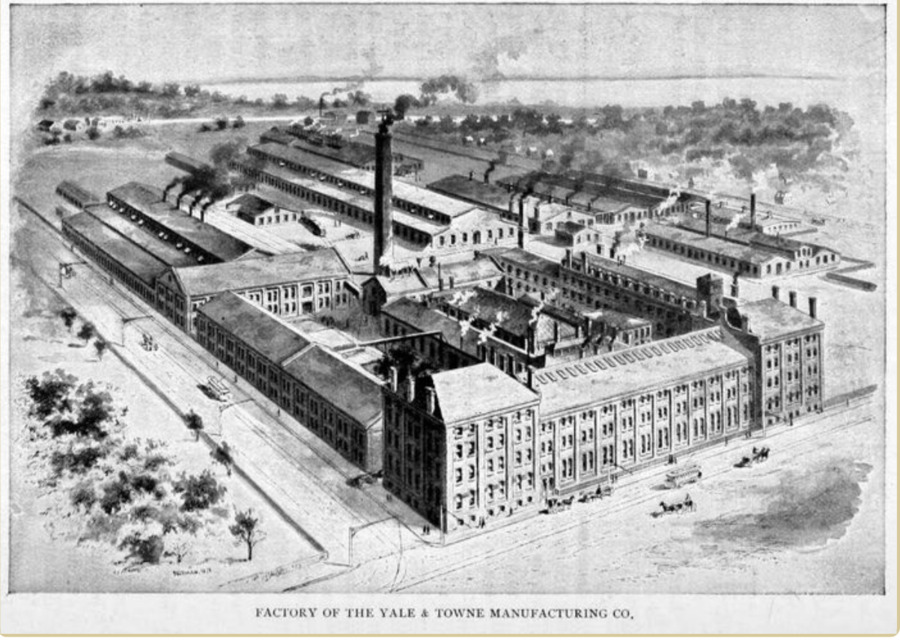
Established by Linus Yale Jr. and Henry R. Towne. Yale was an inventor of bank locks and Towne was an engineer, the two decided to partner and moved to Stamford to open their business. Their initial success came from the development of this new industry, and the invention of the five-pin tumbler lock. The company grew immensely, employing from 30 to 150 workers within 3 years of opening. Yale Lock dominated Stamford's economy until the 1950s when it closed.
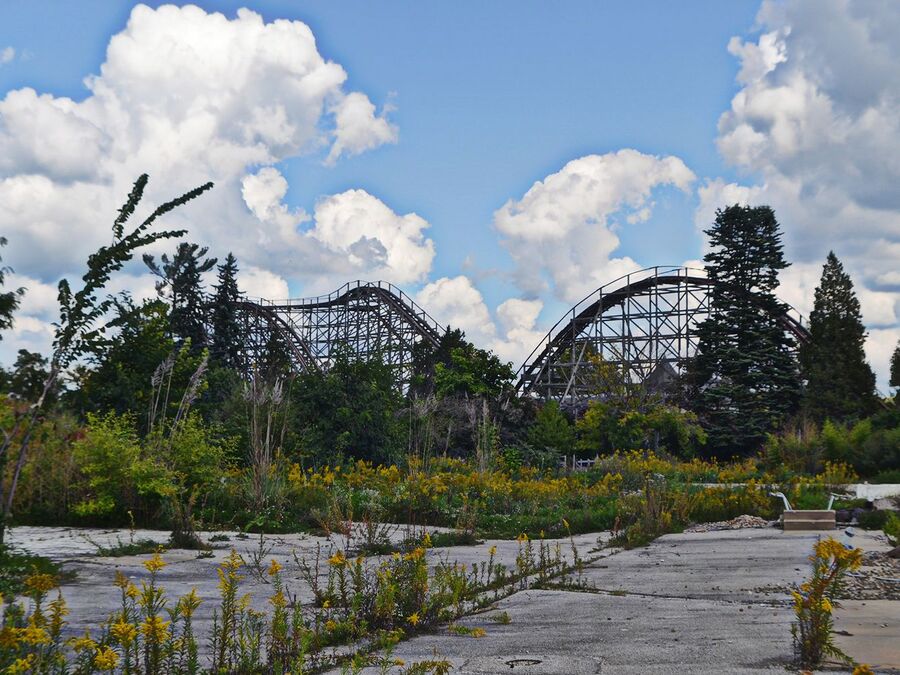
Similar to most locations in America, transportation improvements lead the movement of people outside of cities. The large industrial City of Cleveland provided jobs and economic well-being. As much as people enjoyed this economic security of Cleveland, living in its harsh disease ridden conditions were becoming unbearable. Transportation allowed people to escape the city and begin living in open spaces where they could still commute to Cleveland for work. The Geauga Lake rail depot was constructed connecting Geauga lake to the Erie railway. Groups of people began to gather here for recreation; fishing, picnics and hiking. Rather rapidly, establishments were constructed along the lake. Beginning with a 75-room house, Geauga Lake soon became an amusement park. The amusement park grew until it was officially named the Sea World of Ohio in 1970. The infrastructure required to support Sea World destroyed the natural wetlands of the area. Today, the metal and concrete remains can still be seen and the environmental effects still felt. There are currently storm water runoff issues that cause algae blooms and chemical (solvent and herbicide) contamination of the groundwater. Plans are currently being developed to repurpose this site, but for now its graveyard paints a grim picture of what once was.
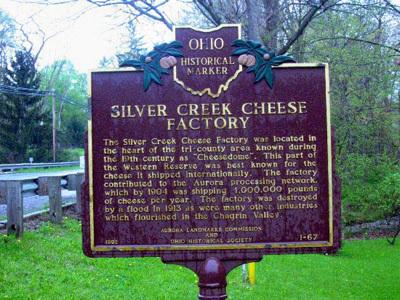
As environmental resources began to deplete, a new market was required to sustain the settlers of Ohio. Fortunately, major scale industrialization was taking place in more Eastern regions like Massachusetts and New York. The previous dairy farms that provided economic prosperity were now seen as a waste compared to the potential gains from industrialization. Similar to people, the market for cheese production began to leave to East. The fertile soil, flat plains and location in respect to transportation routes ultimately sparked the rise of cheese production in Geauga County. Geauga County had access to the Erie Canal (Great Lakes) , Cuyahoga River and the Ohio River which allowed for large scale exporting. The flat plains of Geauga County were seen as industrially useless which made it the perfect location for farms. The first dairy farmers in this area became incredibly rich which drove a mass of people to build their own farms. Cheese leaving Ohio on the Erie Canal achieved numbers of 9,000,000 pounds from Ohio alone. Taking the throne for the highest rate of cheese production in the United States, Geauga County fell into a region nicknamed "Cheesedom." This rapid increase in cheese production led to significant watershed reduction from the run off of chemicals and sewage.
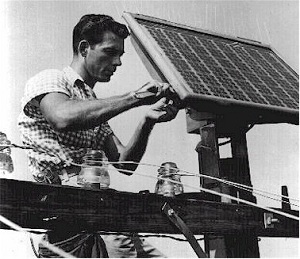
In April 1954, three scientists at Bell Labs in Murray Hill collaborated to produce the first practical photovoltaic cell, which allowed for the production of solar panels to provide alternative energy in the United States. They were initially used to power phone services for farmers living in rural areas. More than 50 years later, in November of 2010, the facility presented a plan to construct a 1.2-megawatt system of solar panels at the same campus where they were invented. The new system has enough power to supply 200 family homes, and covers almost the entire front lawn of the campus. The plan was part of Alcatel-Lucent's pledge to cut their greenhouse gas emissions in half by 2020, and also was helped by the state of New Jersey and its incentives for the use of solar energy. The original solar panels, which each only provided enough energy for the phone service of one family, are still on display in the facility's technology exhibit.
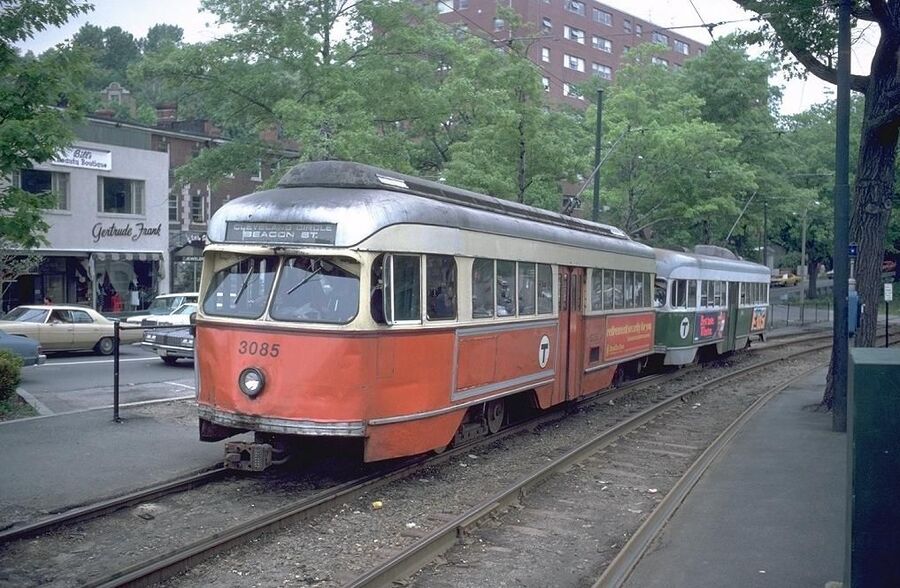
Throughout Boston, there were streetcars to help commuters get from point A to point B easier than the normal walking. Real estate speculators picked up on the usefulness of this and bought up land and secured funding to extend these lines outside of Boston. In fact, Henry Whitney first made the West End line going to Brookline only to use it for promoting his Beacon street developments. On the other hand, tradition helped to push the streetcars further along because every Sunday Thousands of Boston citizens would travel to the outskirts of the city to barely settled land to spend time at the cemeteries or in the parks which made it these trains that are far-reaching profitable.
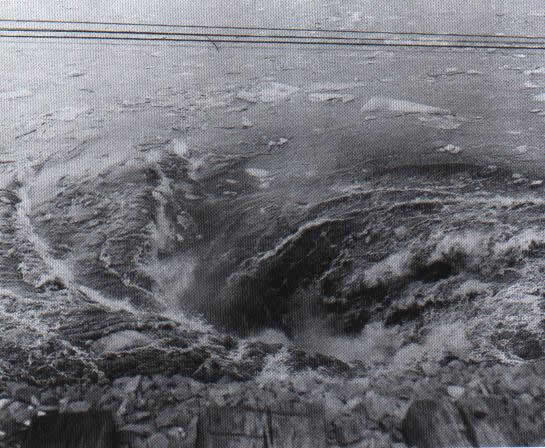
The Knox Mine Disaster serves as a historical reminder of the dangers of greed and corruption and the devastating environmental impacts that are involved. The River Slope Mine, with its walls and ceiling adjacent to the Susquehanna River, had been quarried without the required benefit of surface boreholes to determine the thickness of the rock cover and without proper surveying. This ignorance of safety measures would prove to be deadly and environmentally costly. As the winter ice began to thaw on the Susquehanna raising its waters drastically, Federal, State and County authorities were made aware of safety concerns and ordered all digging in that specific vein to be halted. Unfortunately, the Knox administration ordered its mineworkers to keep digging at an upward angle towards the river bed.In the mining industry, the minimum width of land recommended between the mine and river was 35 feet. Tragically, the walls of the mine had been excavated to an estimated 19 inches from the rising Susquehanna. Millions of gallons of river water crashed into the mines, drowning some men like rats, and forcing others to scramble with all of the energy they could muster. During the first 64 hours, it was estimated that 2.7 million gallons of water per/minute was entering the mine shafts. 33 men were able to catch the last elevator shaft, while 32 men wandered underground looking for escape shafts and tunnels to avoid their deaths. The individuals at the top of the Knox organization were charged along with members of the Pennsylvania Coal Company. This incident serves as an example of ignoring environmental and labor safety procedures for profit and greed.
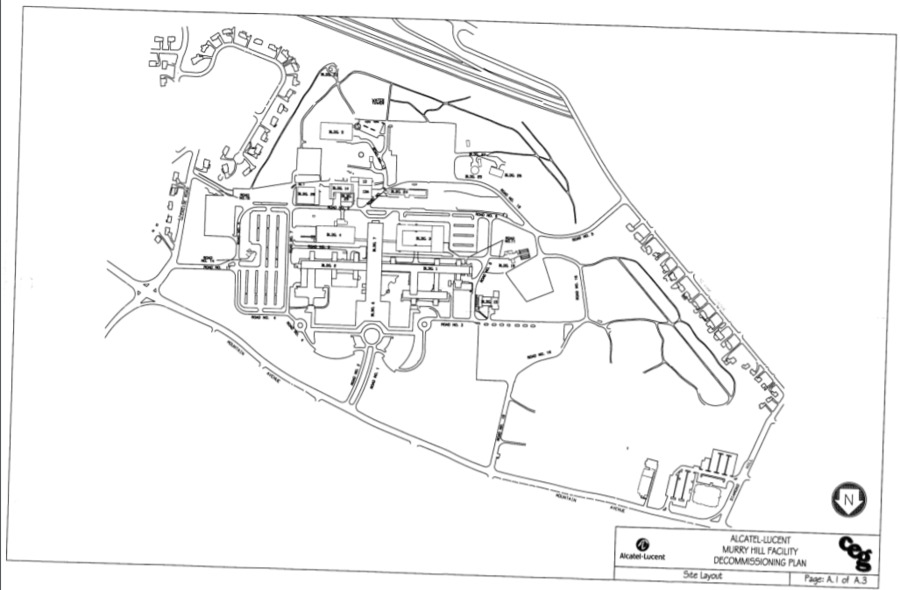
The facility in Murray Hill is currently owned by Nokia, but in 2008 it was run by the parent company Alcatel-Lucent. Alcatel-Lucent created a decommissioning plan for the facility in May of 2008 to terminate any activity that involved radioactive material and attempt to clean up the campus. The company enlisted the assistance of Chase Environmental Group, who surveyed the facility in 2007. Alcatel-Lucent terminated two out of their three US NRC (Nuclear Regulatory Commission) licenses at the facility, and decommissioned the facility. About a decade earlier, the company discovered residual radiation around building 16, and the company was forced to demolish the building and excavate the surrounding soil. With the new plan, the company planned to look for any other sources of residual radiation and deal with it in a similar fashion.
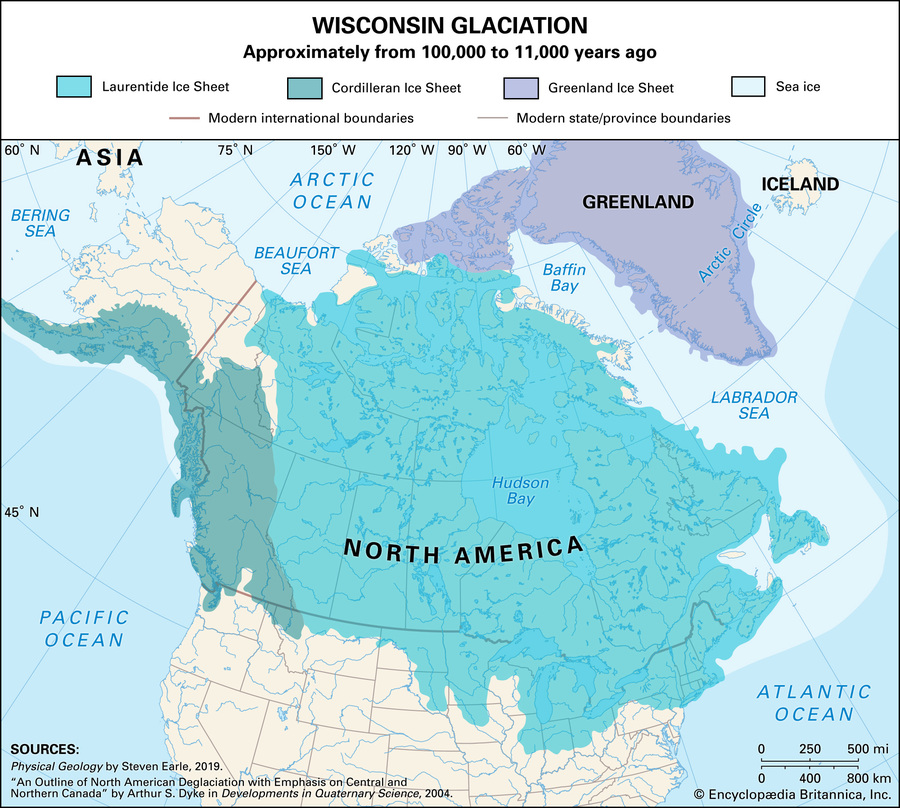
The Wisconsin Glacial stage significantly influenced the environmental history of Geauga Country Ohio by laying the foundation of environmental conditions and transportation routes. Beginning in 98,000 BC and ending around 13,000 BC, the retreating ice sheets generated environmental prosperity. The glacier deposited fertile top soil and till while carving out Lake Erie and its major tributaries. The rich soil and untouched wilderness allowed trees - hemlock, white pine, maple, black walnut, chestnut and oak - as well as animals - beaver, elk, black bear and racoons - to thrive in significant numbers. The major rivers - Cuyahoga, Grand, and Chagrin - along with their sand ridge deposits provided early transportation routes for New England Euro-American settlers. Depletion of resources in New England forced settlers to expand in search of new resources for economic prosperity. Following these routes created by the glacier, settlers made it to Ohio. The fur and hide trade of black bears, beavers, and racoons skyrocketed due to minimal Native American presence allowing settlers to leave nearby forts. This had a significant impact on species like the beaver and black bear which became nearly extinct in Ohio and are still endangered to this day. The rich environment generated by the Wisconsin Glacial stage set the groundwork for Ohio's first settlers, but as resources depleted what factors kept people there and brought in new settlers?