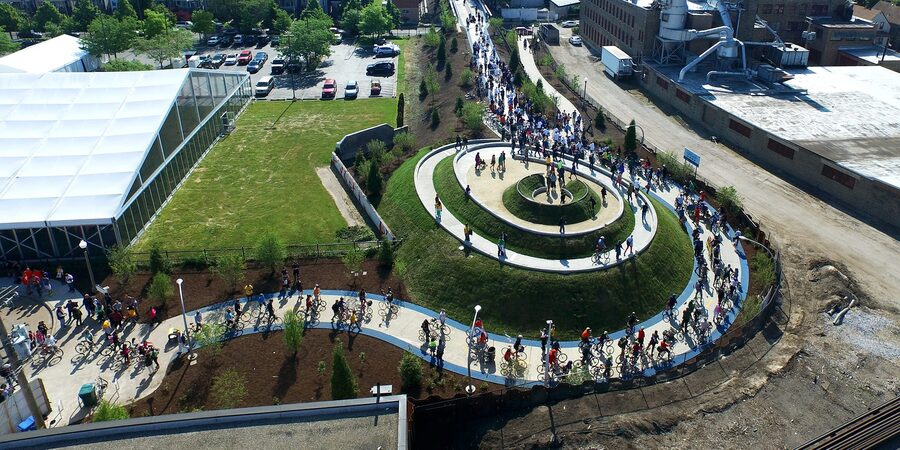
A train that once ran through a part of the city became abandoned after it no longer had any reason to run. After it was abandoned nature began to take back over plants and flowers grew all over the tracks and animals began to reclaim it as their home. After a while people began to explore it and also claim it as their own cool nature spot in the city. The city decided to go off of the peoples interest and turn it into an actual trail for people to walk, run, and bike on. After years of renovations and fixing up it is now a highly populated trail that has popularized the neighborhood Logan Square because of its proximity to the trail.
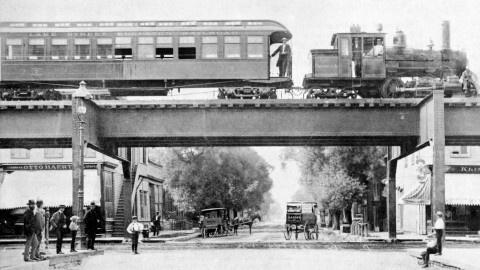
The first "L" train in Chicago was built and ran from 39th to State, Congress, and Wabash. There were train lines prior to this but they all stopped just before the "Loop" which is the center of downtown. Charles Tyson Yerkes solved this problem by building elevated tracks that went above the streets in the Loop, allowing people to be dropped off much closer to their destinations. All of the trains after this until 1940s in Chicago were elevated tracks. This an important part of Chicago's landscape because it is so widely known, it is strange to think of a time where you don't see trains going by above your head. This revolutionized travel in the city and changed the environment because it allowed the people to more efficiently work.
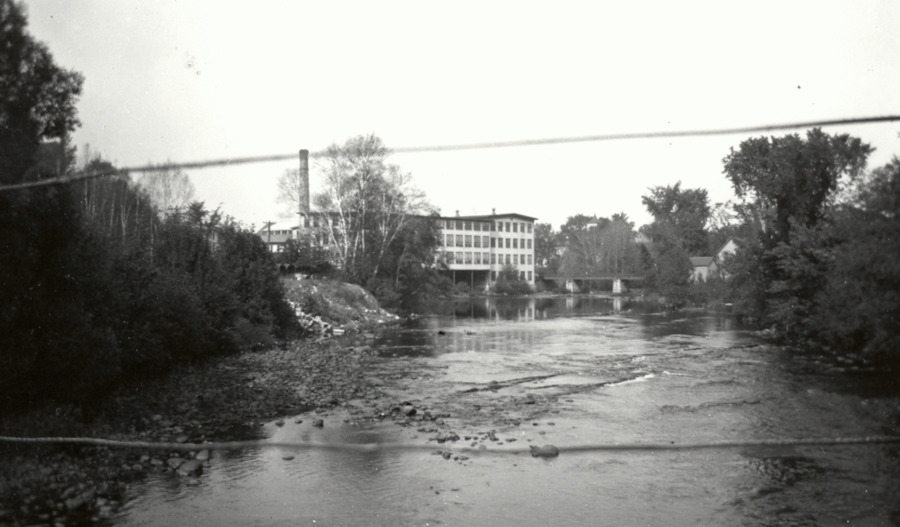
The Housatonic River, located in Pittsfield, Massachusetts provided an ideal location for water powered mills enabling the establishment of the wool and paper industries in the region. By the beginning of the Civil War, Berkshire County was home to hundreds of mills situated on the Housic River in the north and Housatonic River in the central and southern regions.
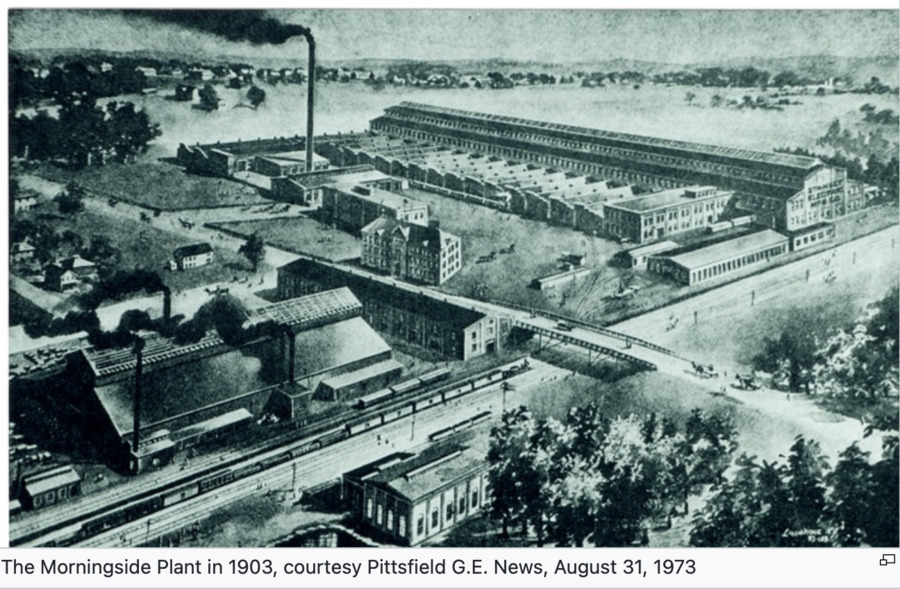
In 1932, the Monsanto Chemical Company in conjunction with General Electric developed a synthetic fluid which, “insulating and heat conducting properties similar to mineral oil, but was not flammable” unlike the traditional mineral oil that they had used in most normal transformers. This new substance known as Pyranol, chemically as Polychlorinated biphenyls (PCBs), was put to use in transformers that would be installed in areas where fire would have devastating consequences.
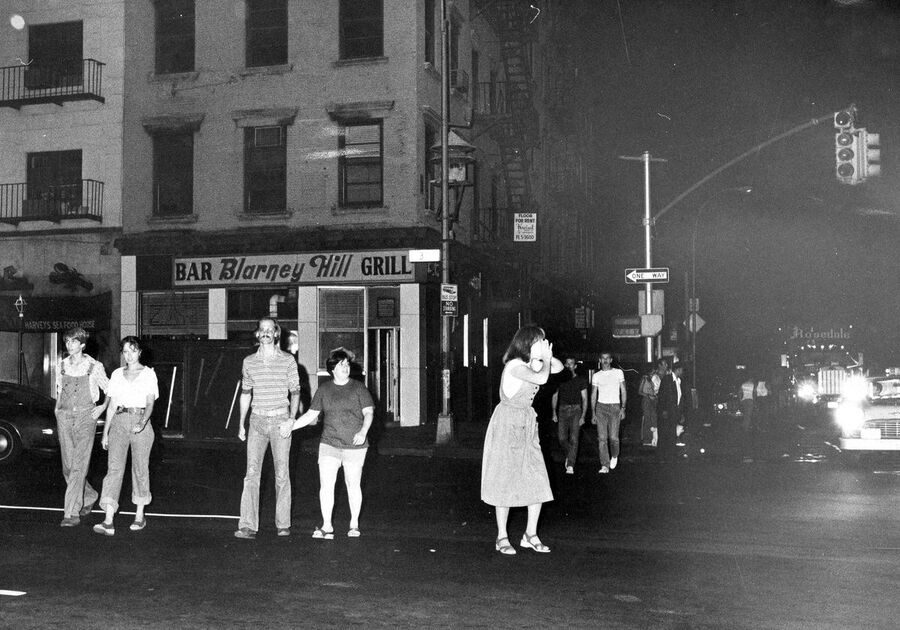
Due to social, political, and economic problems, New York City was on a decline in the 1970s. The toll of its problems were especially visible through its deteriorating infrastructure. The toll of all the pressure finally hit when the city blacked out in 1977. For the whole time there was no light, crime ran rampant on the streets of the city.
New York City was always struggling infrastructurally, and this seemed to be the city's breaking point. The black out made the news, and it was often said that the city that prides itself finally went dark.
The '77 blackout was also a case of the minorities rising up. There were always so much racial tensions in the city, and this blackout showed the results of the minorities, of the underdogs taking a stand up with the opportunity they had.
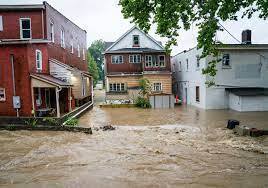
Hurricane Ida arrived to New York City during a time where precipitation levels in the Northeast were increasing. Due to climate change, the east coast of the US is getting more precipitation on average, whereas the west coast is getting droughts. This affects the rainfall of hurricanes on the east coast because not only are they becoming stronger because of the warming oceans, but also because there's just more water in the air in general.
Hurricane Ida proved to be a hurricane where rainfall was the key, semi uncalled for factor of the ordeal. The amount of rain New York City got devastated the drainage systems, buildings, and the subway system. Everything that wasn't built to take flood damage took most of the hit because of Ida.
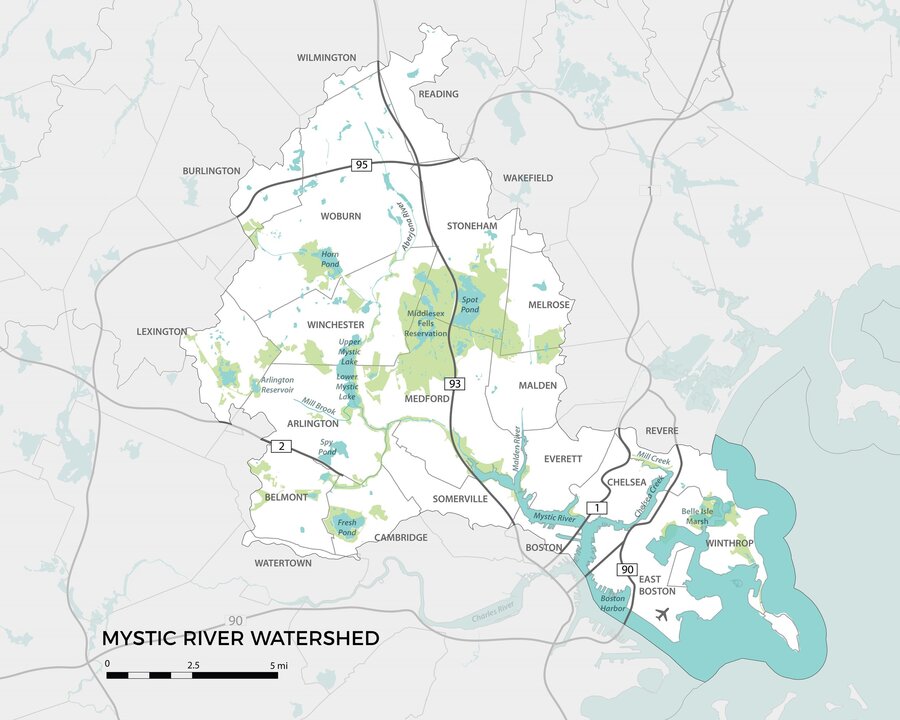
In 1893, Charles Eliot and the Metropolitan Park Commission created a plan with the goal of creating a vast open space network for that suburbs on the outskirts of Boston. Because of this plan, the Mystic Lakes and the Mystic River in Arlington became reservations. The Mystic River was an important area because the river flowed through numerous towns and flowed right into the Boston Harbor. This was a major part of travel in the Greater Boston area before the introduction of railroads and automobiles. Included in this plan were two other destinations that are very close to Arlington, the Middlesex Fells, in Medford, Massachusetts, and Fresh Pond, in Cambridge, Massachusetts. The Middlesex Fells was a large forest preserve that took up roughly 2,000 acres across numerous towns in the Greater Boston area. The Middlesex Fells also was where local water supply reservoirs were located. Fresh Pond, in Cambridge, is a location of great importance to me. I spent a great deal of my childhood here because my grandparents lived a few minutes away. This was an area that was created for its beauty and for public enjoyment.
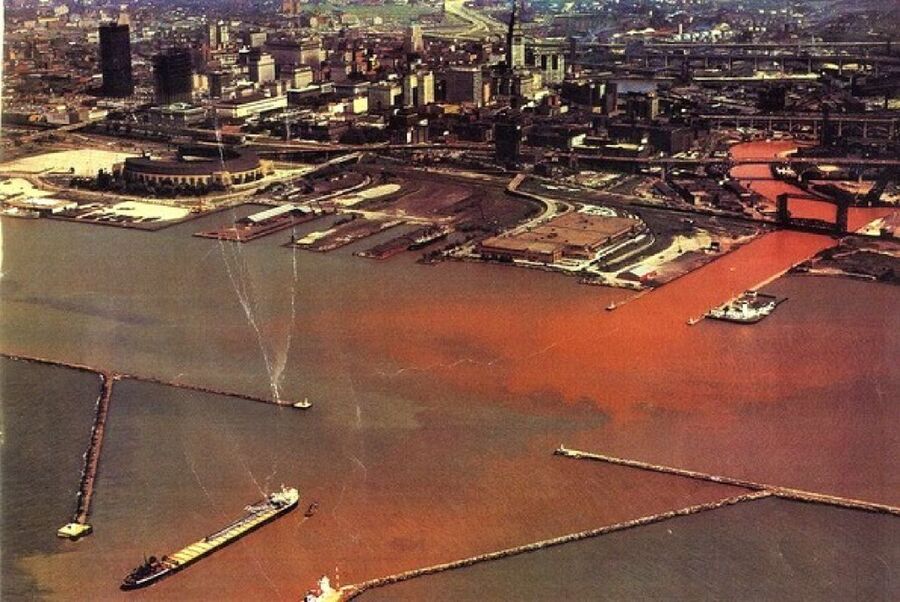
The Cuyahoga River Fire of 1969 caught the attention of the world. It fell perfectly into the time period where environmental disasters like this were not going unnoticed anymore. Although not lasting super long, the fact that a river (water) could catch on fire and grow to five stories brought fourth numerous concerns to environmental protection. Supporting a watershed of 813 square miles, damage to the Cuyahoga would significantly effect millions of animals, wildlife and people. This historical event directly impacted the formation of the Clean Water Act, The Great Lakes Water Quality Agreement and the creation of national and state EPA's.
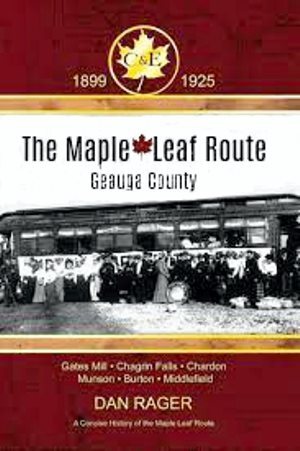
The Cleveland and Eastern interurban electric railway was established in 1895 and played a crucial role in the dissipation of citizens to the suburbs. With numerous railway lines running for up to 100 miles, people finally found recreation to be feasibly assessable. Geauga Lake, an up-and-coming location for mass recreation just so happened to be located along one of these routes. This was the primary method of transportation until the 1920's when cars began getting mass produced.
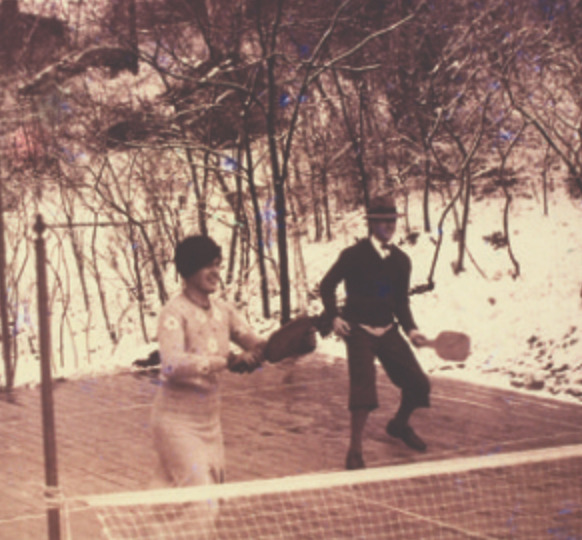
Throughout Scarsdale's history, an emphasis on the outdoors and recreational activities have always been stressed amongst town officials. There are spaces scattered around Scarsdale devoted to the health of the environment and leisurely activities. In the fall of 1928, Jimmy Cogswell and Fess Blanchard built a wooden platform, with the intention of playing volleyball or badminton on it. However, the dimensions for those sports didn't really fit the sizing of the platform, so created their own game called paddle tennis, which is essentially smaller tennis using paddles instead of racquets. This game quickly popularized in Scarsdale; many country clubs and parks started building paddle courts for people to enjoy. People had so much fun with the game that it expanded nationwide. Cogswell and Blanchards' positive mistake led them to create a game that is not only a great way to enjoy recreation outside, but is widely played throughout America to this day, especially in suburban areas.
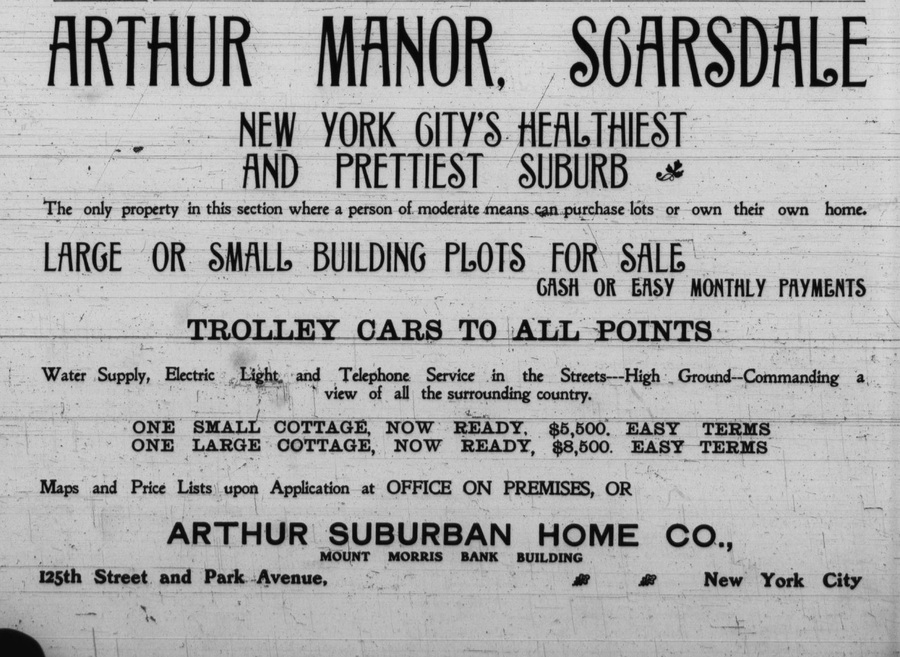
In 1891, The Arthur Suburban Home Company purchased a 150 acre plot of farm land and began dividing it into individual property plots and constructing homes on it. While all of the houses that were being built looked quite similar to one another (anticipating the neighborhoods inLevittown nearly 60 years later), the company felt the urge to build them quickly to account for the growing populations that wanted to move to Scarsdale. This was a monumental moment in Scarsdale's history because it really transformed the rural country town into a nice suburb. In the building process, the company had to pave the roads, dig holes for the base of the homes and add street lights, which had environmental implications.
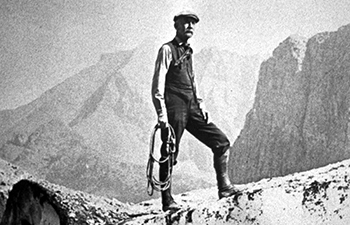
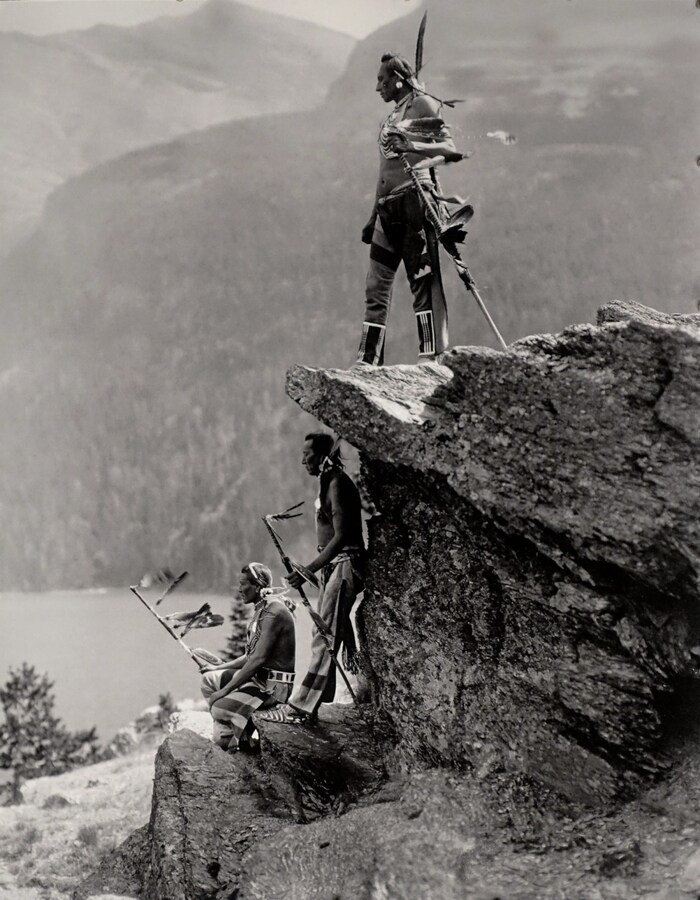
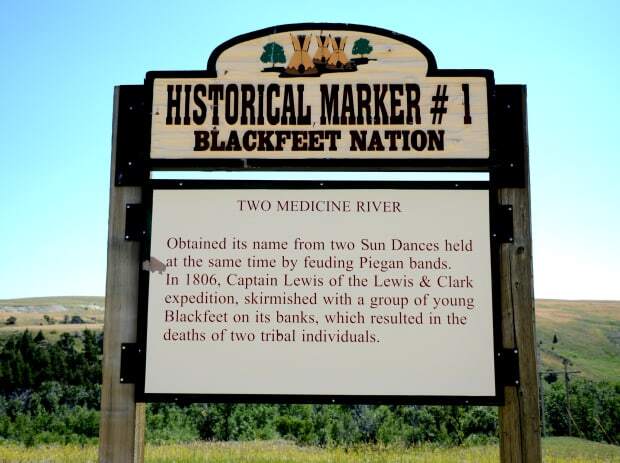
Notably the most important person in the development of Glacier National Park is George Bird Grinnell. Grinnell was from New York, and traveled to the park on a hunting trip in 1885. He saw the sublimity and beauty of the landscape, similar to Pinchot and Roosevelt. From his many visits, he experienced, learned from, and became familiar with the lifestyle of the Blackfeet tribe. He informed the magazines that were publishing his writing in his journals that the mountains were completely uninhabited, and there were animals to hunt roaming freely everywhere. In reality, however, the Blackfeet and other surrounding tribes were struggling because the game they relied on was rapidly being hunted for recreation. While he advocated tremendously to conserve the mountains and lakes of the park, he wanted government control. He was a conservationist, like Roosevelt, Pinchot, Muir, and Cole, but he valued the perception and recreation of the land more than the home it was for the Natives.
In 1974, the Blackfoot people were involved in a legal case regarding their reserved rights within the park. Woodrow Kipp, a member of the Blackfeet, was arrested for entering Glacier National Park without paying the entry fee. The Agreement of 1895 stated that the tribe could freely hunt, fish, and reside on the land as long as it was “public”. Although it is now a U.S. owned National Park, the memorandum of the case stated that the land is still considered “public” under the meaning of the 1895 Agreement, insinuating that the Blackfeet still have the right to access. Judge Donald Smith concluded the case in favor of Kipp. He had not broken any law by entering the park without paying an entrance fee, and he was not charged.
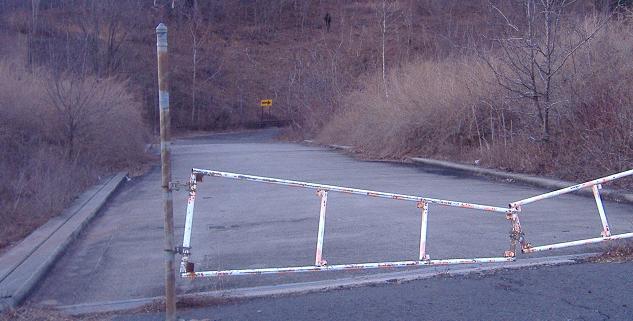
At the end of WWII, and the beginning of the Cold War with the USSR, Bell Labs was commissioned by the United States War Department to begin development on a line of anti-aircraft missiles, which was completed by 1953. The US army ordered 1,000 of the missiles, dubbed Nike Ajax, along with 60 missile launchers. In 1957, the army announced that a missile base would be built in the Watchung Reservation, which is a nature reserve located adjacent to Bell Labs. The construction was heavily protested, but completed in 1958. The base was known as NY-73, and had two parts; the base in the Watchung Reservation, and a radar tracking and control station located directly next to the local high school. The access road that connected the site to Glenside Ave, which runs adjacent to I-78, is now overrun by vegetation and is often used by joggers who live next to the high school. The site of the missile silo is now the location of Watchung Stable, with the stable building being in the exact location of the former underground missile silos. Nike missile silos have been known to contaminate their surrounding area with a chemical known as trichloroethylene, or TCE, which was used to clean the missiles. TCE has been determined to cause massive negative health effects, as per the Department of Health.
In 1895, the Blackfeet tribe sold the western side of their reservation to the U.S. government for 1.5 million dollars. However, they retained the rights to “hunt, fish, and cut timber for domestic and agency purposes on the land for as long as it remained public land of the United States.” When Glacier National Park was officially built, that land was ceded under the Agreement of 1895, no longer making it public land, and revoking the tribes’ freedom.
In 1901, Robert T. Morris bought 350 acres of land on the Greenwich/Stamford border that surrounded the Mianus river. In the late 1960s, Stamford purchased 77 acres of the land, and Greenwich purchased 110.3 acres, all for park and recreational space. The park quickly gained popularity from nature-lovers, hikers, dog-walkers, fishers, and more. By the mid-2000s, overuse of the park became evident and a joint Stamford-Greenwich action plan was put into effect to control park use and repair damage.
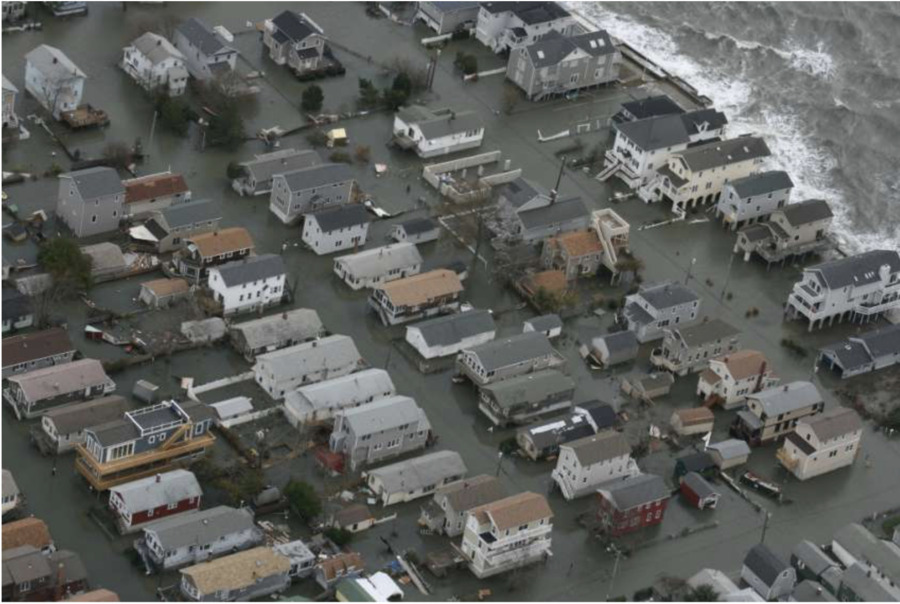
Also known as Superstorm Sandy, the category 3 hurricane hit Stamford's coast with 70 mph winds. Between Greenwich and New Haven, the storm surge that reached 9 feet. It was one of the most destructive storms to ever hit Connecticut. 1/3 of the city lost power, and it caused $360 million dollars worth of property damage.
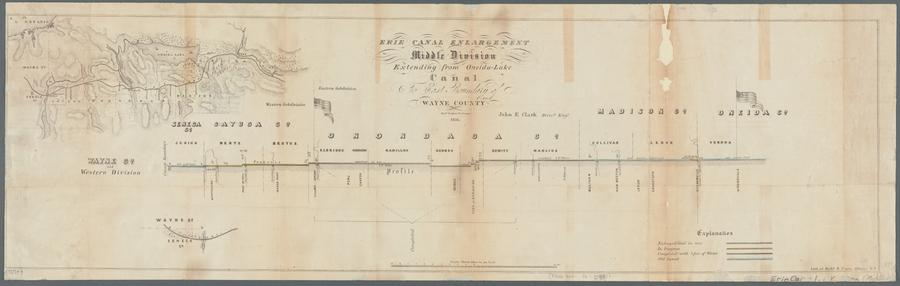
The Erie Canal started construction in Rome, New York in 1817. This massive infrastructure porject sought to connect Lake Erie with the Hudson River, connecting all of Central New York to the City of New York. This canal opened up trade and allowed for many central New York towns to engage in heavy industry.
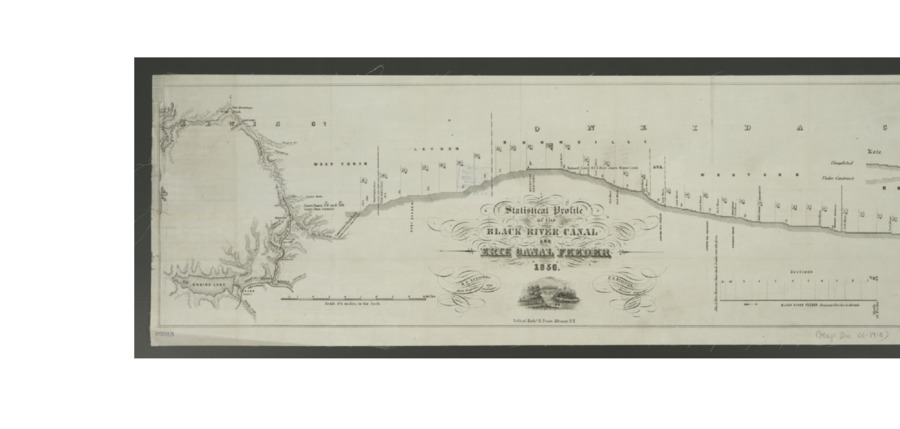
The Black River Canal was supposed to connect the northern part of New York, west of the Adirondacks to the Eire Canal. This canal was expensive, steep and short, totaling only 35 miles and climbing over a thousand feet. The canal proved fiscally impossible and closed after the railroad opened.
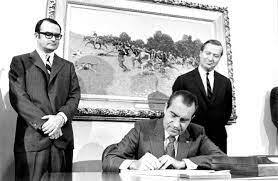
The Clean Air Act of 1970 was a landmark legislation that for the first time proactively set emissions standards and increased the previous enforcement powers of the federal government. This act was amended in 1977 and again in 1990 to further strengthen the bill to regulate toxic waste and emission that erode the ozone layer.
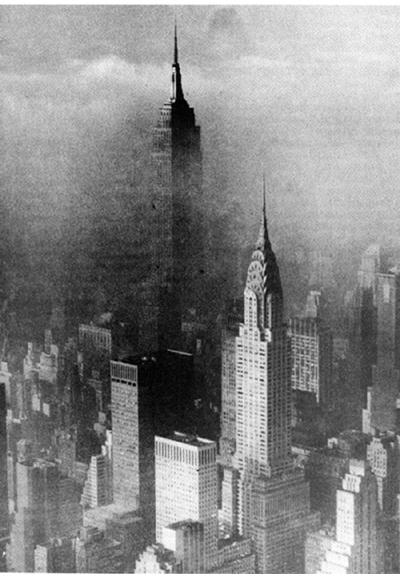
Similar to the levels in the episode in 1952, in 1963, an unusually warm period forced another stagnant air mass to stay trapped in New York City for two weeks. As seen in an image from the Associated Press, the top and a majority of the upper floors of the Empire State Building were not visible because of the thick smoke. It was reported that, “... an estimated 300–405 people died during a two-week smog episode…” – much longer than the 1952 episode.
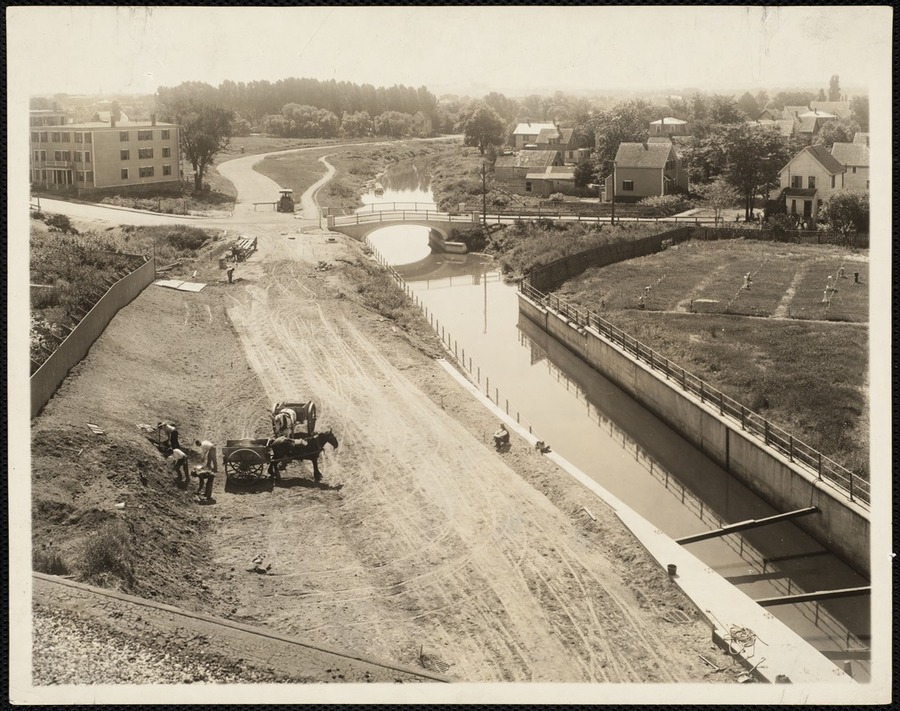
During the late 1870s, there was growing concern in the town of Arlington over the frequent polluting of the Alewife Brook, which is located on the Arlington and Cambridge border. The pollution was being caused by the city of Cambridge because of the emptying of sewage into the brook. On November 18, 1879, there was a town meeting held in Arlington where people wanted to see action being taken over the heavy increase in the pollution of the Alewife Brook. Roughly a year later, on December 30, 1880, a committee was selected to protect public health and put an end to the emptying of sewage into the Alewife Brook and the connecting Mystic River.
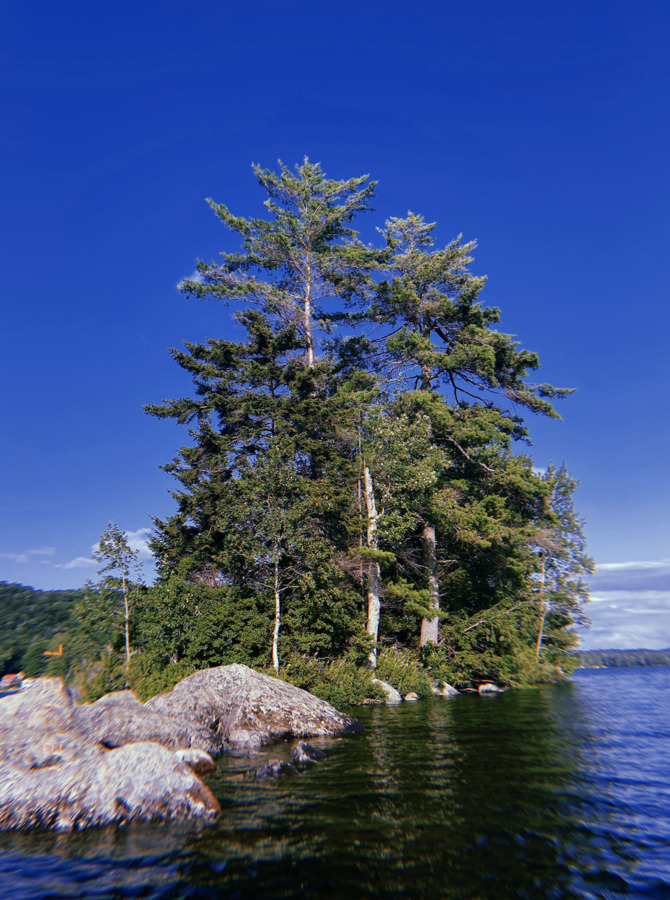
In the center of Canada Lake lays a small island make up of rocks and trees. In 1952 a group of residents on the lake bought the island form Cy Durey, who owned the Stewart's Landing Dam. To this day you can dock your boat at the island and explore. Due to erosion and natural disasters many trees on the island have died and the size of the island is decreasing.
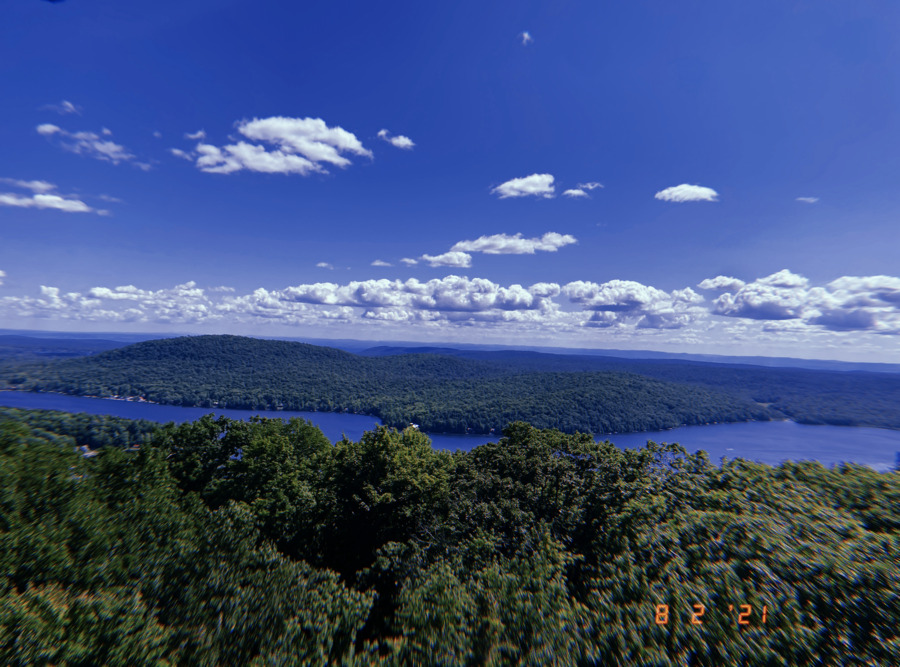
To keep watch for forest fires due to deforestation of the Adirondack Park a fire tower was constructed. The fire tower provides an amazing view of the surrounding area and brings perspective to the lake's location.