
What is Anxiety?
A short, informational guide to understanding the mental health disorder:
American Psychiatric Association. “What Is Anxiety? | APA.” YouTube, YouTube, 13 Jan. 2022, www.youtube.com/watch?v=JOKS9Bx8-Sw.
Occasionally dealing with anxiety is normal.
In fact, individuals all over the world stress about things like their relationships, financial stability, or academic performance.
But, it is important to understand that anxiety disorders involve more than the temporary state of worry, fear, or panic. For people with an anxiety disorder, their bouts of anxiety do not just 'go away', and sometimes, can get worse with time. These anxiety-provoking events may hinder, obstruct, or interfere with the ability to complete daily activities. From generalized anxiety disorder, to panic disorder, and social anxiety disorder, there are a multitude of events, or 'triggers', which may worsen an anxiety disorder.
"Approximately 1 in 4 people with anxiety disorders will receive treatment for their condition"

- Title
- Contributing Factors
- Description
- Anxiety disorders, like other mental health conditions, are typically the product of combined social-emotional, psychological, environmental, and biological factors. While anyone can develop an anxiety disorder, individuals who are living, or have lived through severe or adverse life experiences are statistically more likely to be predisposed to a mental health condition (WHO, 2023).
- Many of the physiological impacts of anxiety create higher known risk factors for other health challenges like cardiovascular disease, increased blood pressure, heart attack, and/or strokes (American Heart Association, 2023).
- In turn, individuals with these conditions often find themselves in a dangerous cycle, oftentimes experiencing more aggravated anxiety due to the difficulties created by trying to manage their health adversities.
- Title
- Symptoms & Patterns
- Description
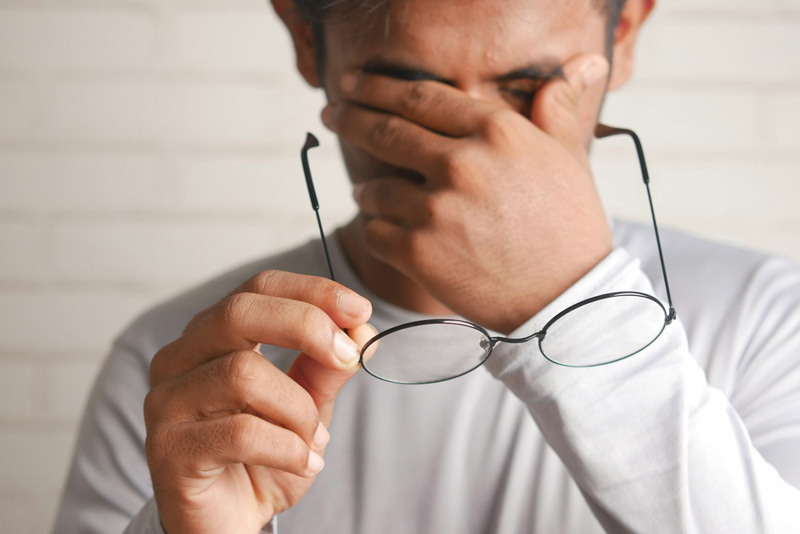
- From panic disorder to post-traumatic stress disorder (PTSD), those with anxiety disorders may experience an array of symptoms which are uniquely expressed depending on the individual. Typically, anxiety disorders may include:
- Excessive fear, worry, and distress about a specific or broad range of everyday situations. These symptoms occur over an extended period of time – at least several months, with the individual usually avoiding the situations that make them anxious (WHO, 2023).
-
Many of the physiological impacts of anxiety, such as a fast heartbeat, hyperactive nervous system, or harmful use of substances like drugs and alcohol, create higher known risk factors for other health challenges like cardiovascular disease (Mind, 2021).
-
Other symptoms may include:
Difficulty concentrating on tasks or making decisions. -
Feelings of irritability, being tense or restless.
- Physical symptoms like nausea, dizziness, or abdominal distress.

- Title
- When to Seek Help
- Description
-
While it is normal for stressful life events to create occasional bouts of anxiety, if anxiety prevents you from being present, or engaged with everyday life, it is often a sign you may need help.
- Self-recognition, or the act of knowing yourself, is one of the most important and crucial first steps. For many people, the prolongation of severe anxiety can make it more difficult to:
- 1. Enter stress-provoking spaces (elevators, crowded or public settings, etc.)
- 2. Go to work, school, or participating in stress-inducing activities.
- 3. Interact socially with other people (Mayo Clinic, 2018).
- Once you feel comfortable enough to open up to a trusted peer, family member, or healthcare professional, it allows for the process of healing to begin. While change does not happen overnight, it is important to recognize that mental health is a continuous journey defined by growth and evolution as you reclaim agency over your wellbeing.