-
Title
-
Didactic pieces : manuscript, [between 1425 and 1450]
-
Name
-
Ben Jacobs, Ian Petrat, Will Dubois, Ian Petrat
-
Abstract
-
Group 3- The manuscript Didactic pieces, created between 1425 and 1450, is a collection of religious and moral texts written in Middle English. It contains poems, prayers, and instructional writings, many by the poet Thomas Hoccleve. The manuscript was meant to guide readers in spiritual reflection and ethical behavior. It served as a tool for devotion and moral teachings.
-
Paper maker-
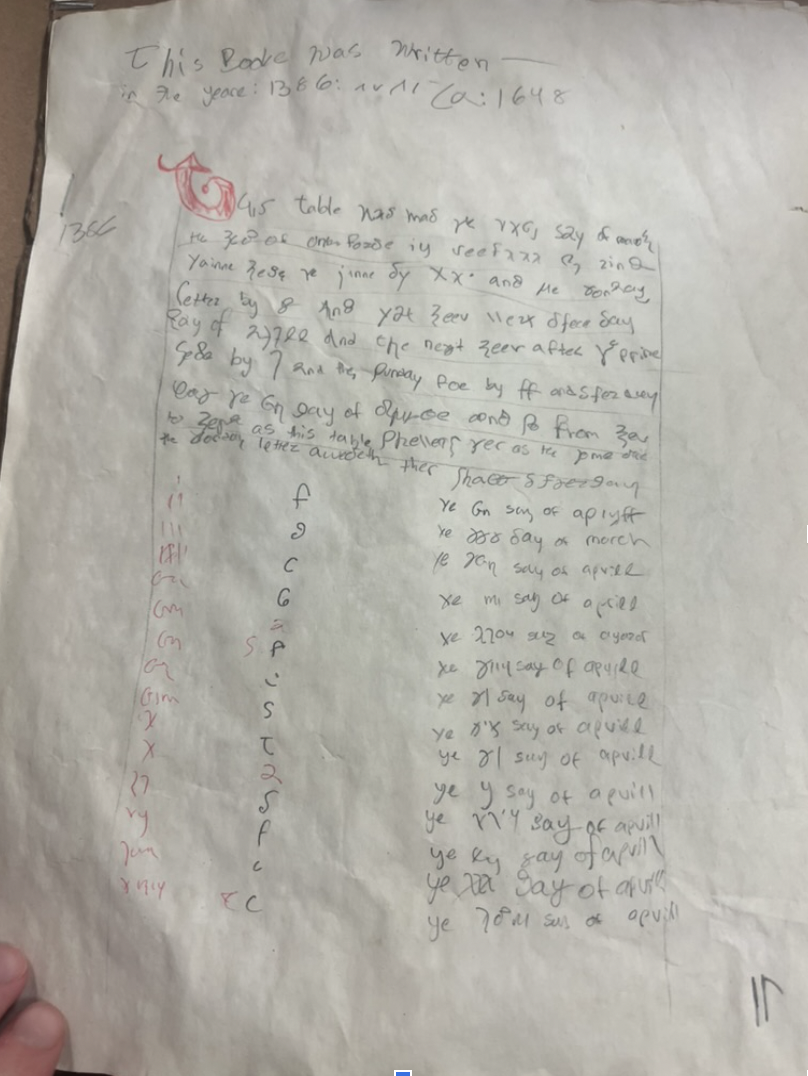
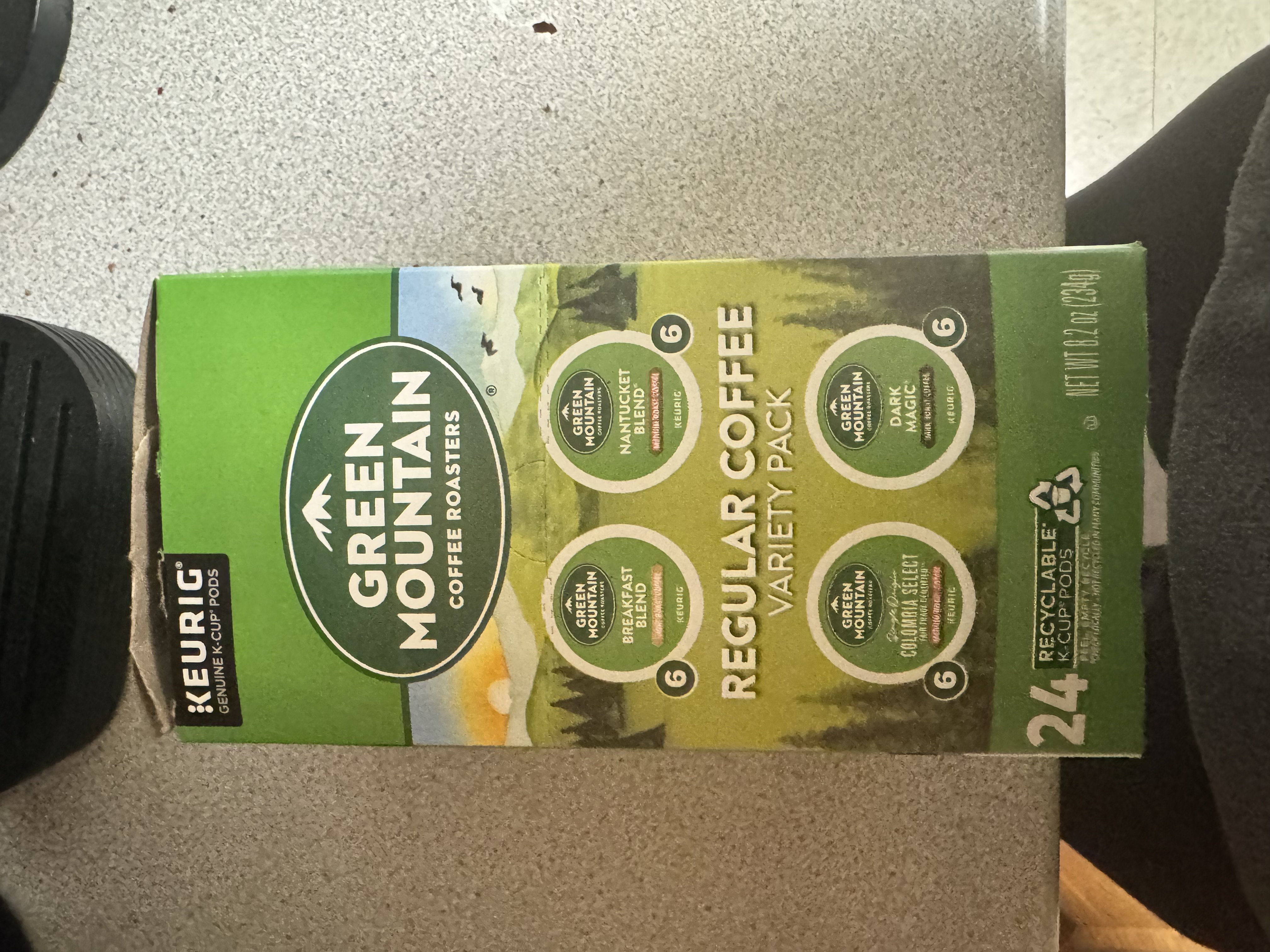
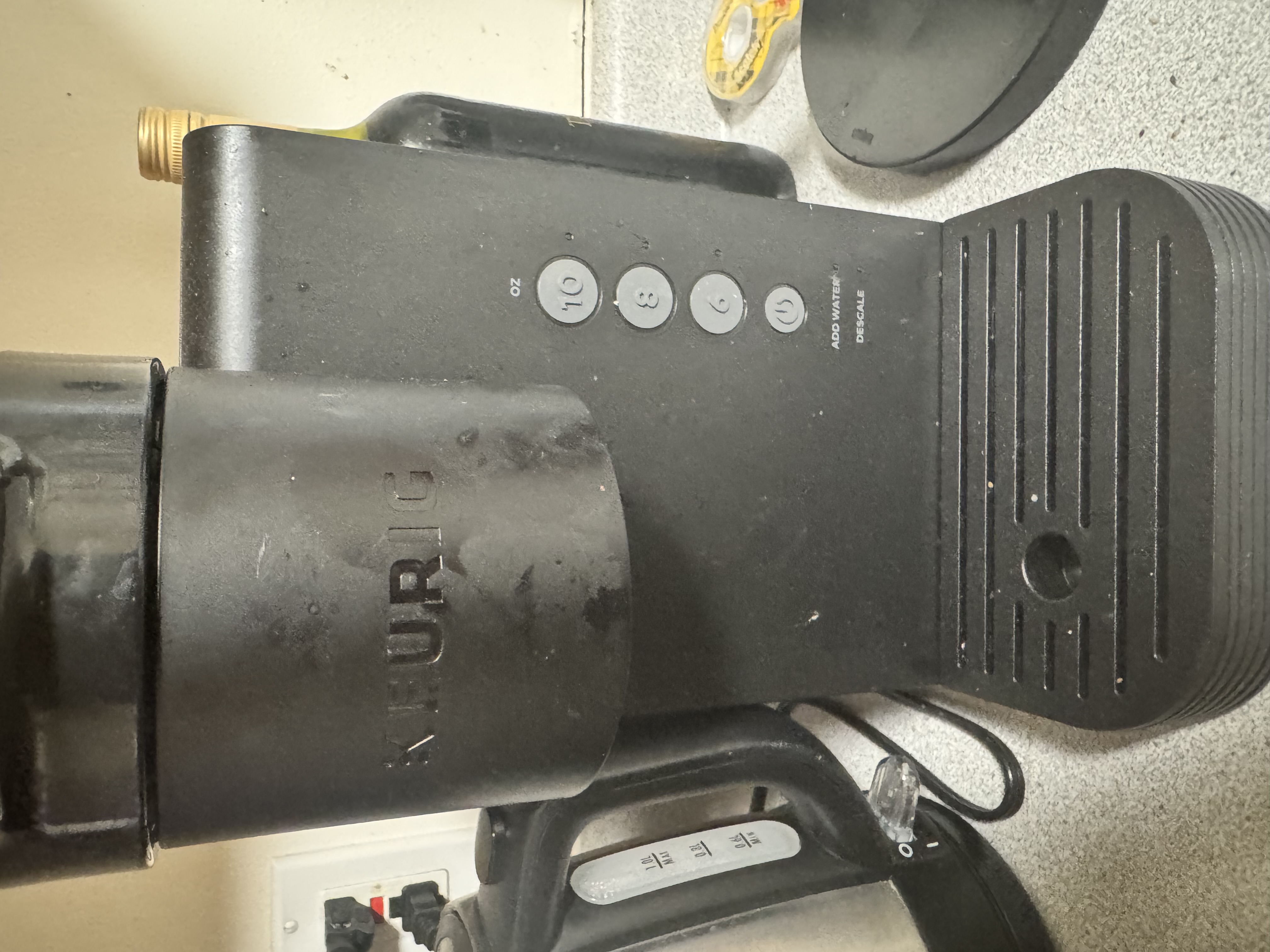
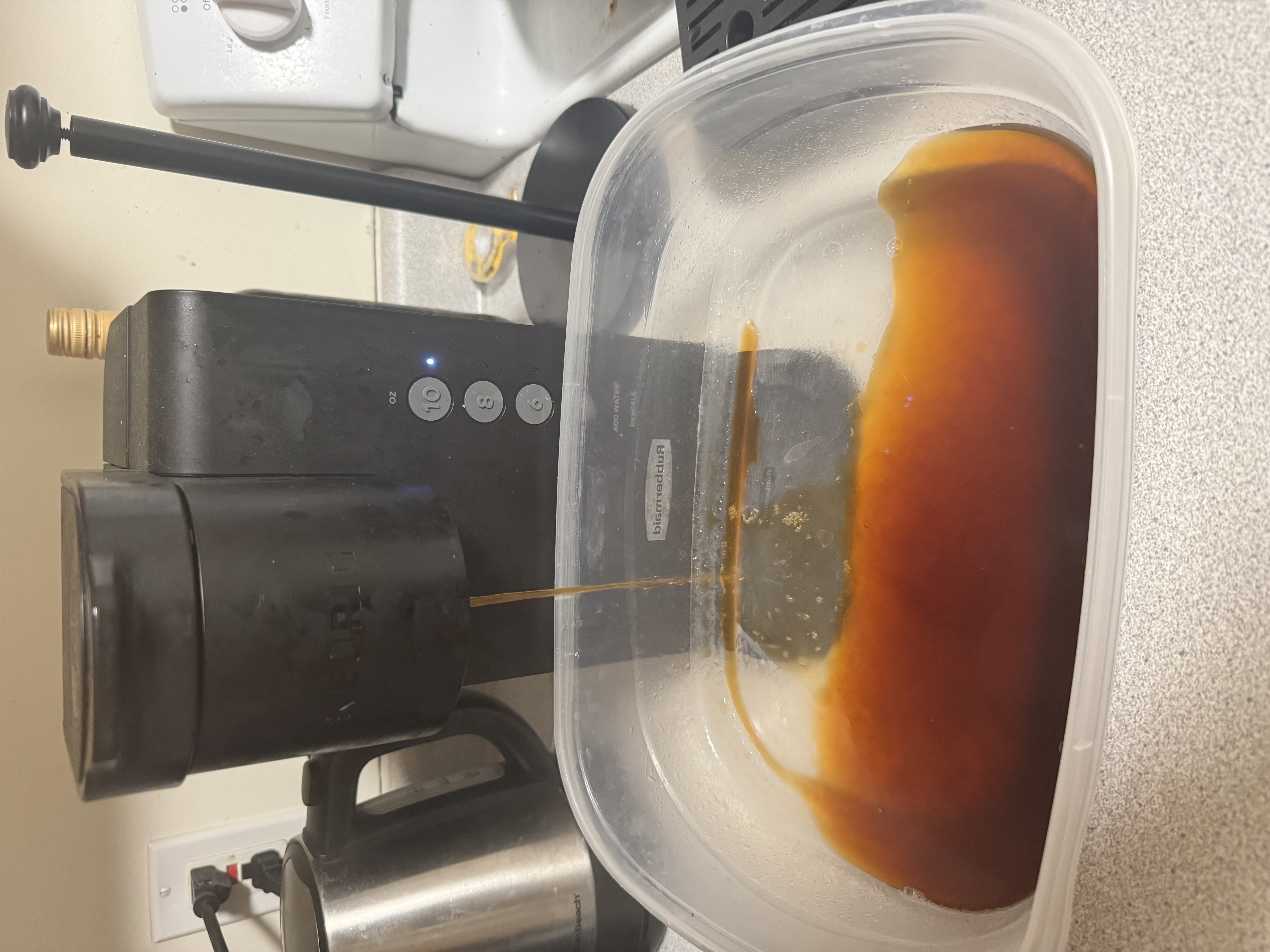
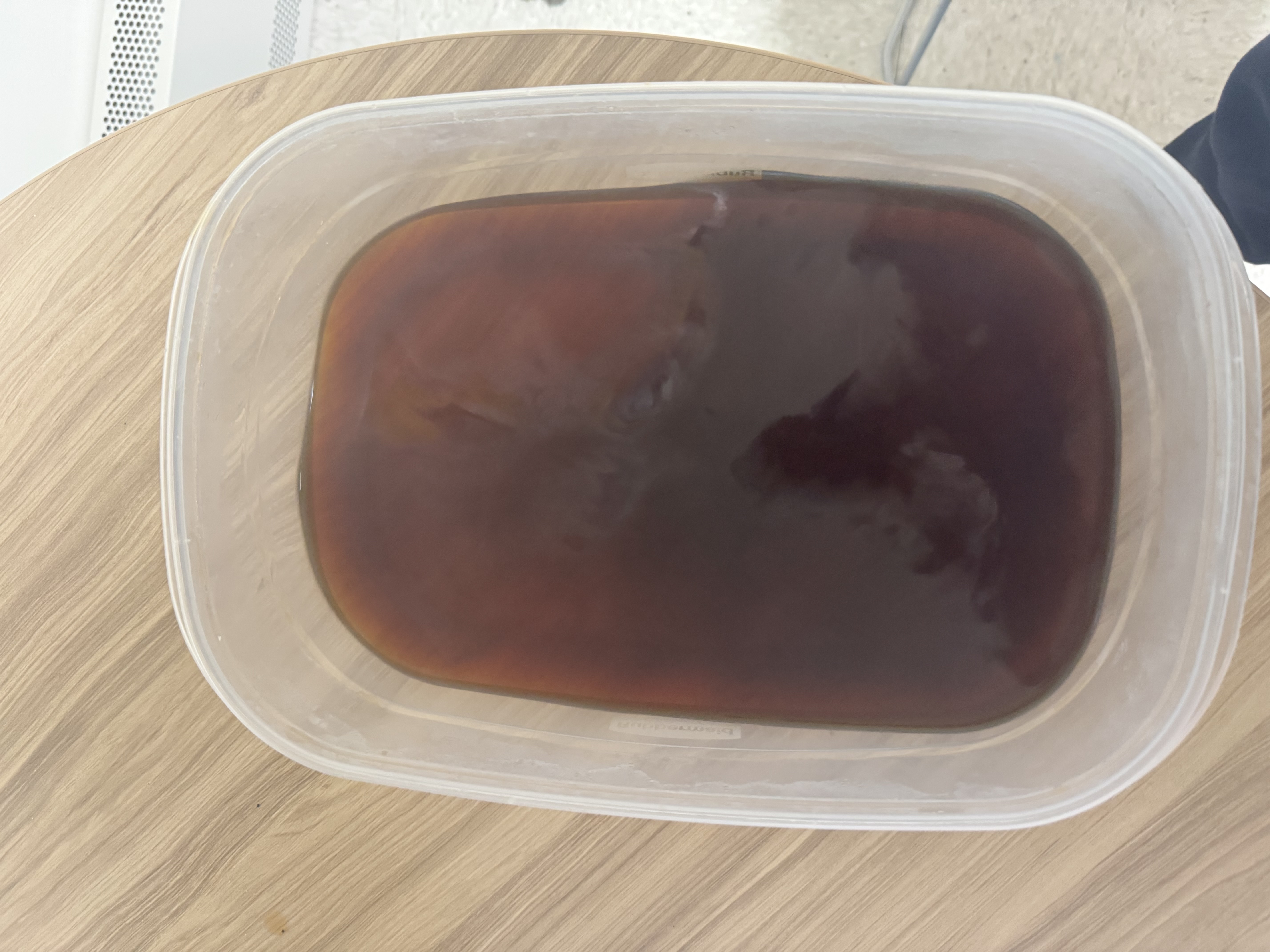
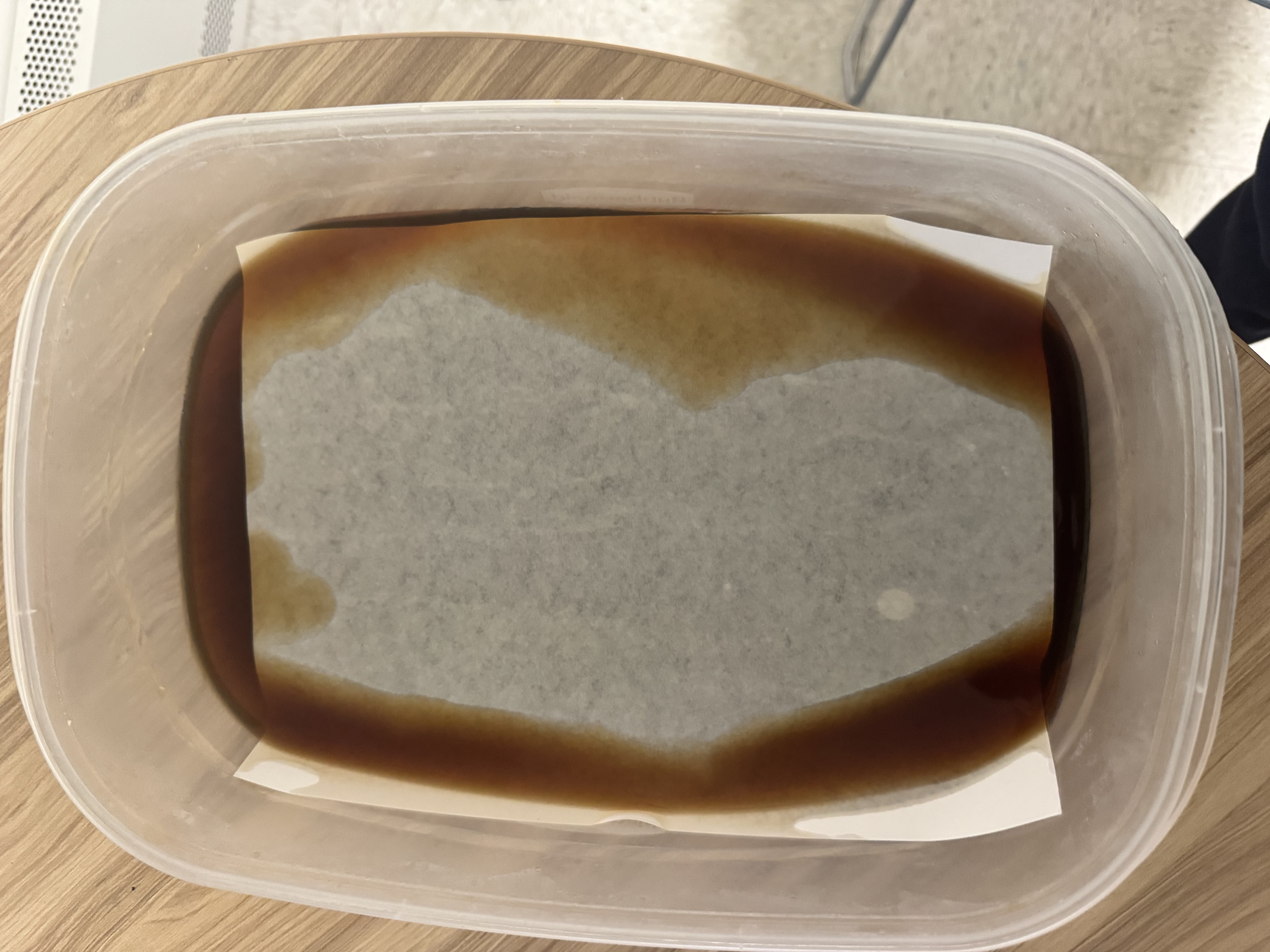
For the first part of the assignment, I was the paper maker. Originally, I had no idea how to turn regular printer paper into a medieval manuscript. However, after some helpful Google searches and research, soaking my paper in coffee was the best bet. To do this, I filled a large bowl with Keurig-brewed coffee (not discriminating based on roasts). I then soaked my papers into the coffee. I soon realized that I made a mistake. The paper all stuck together and became useless. As a result, another trip to the library was required as I had to steal more printer paper.
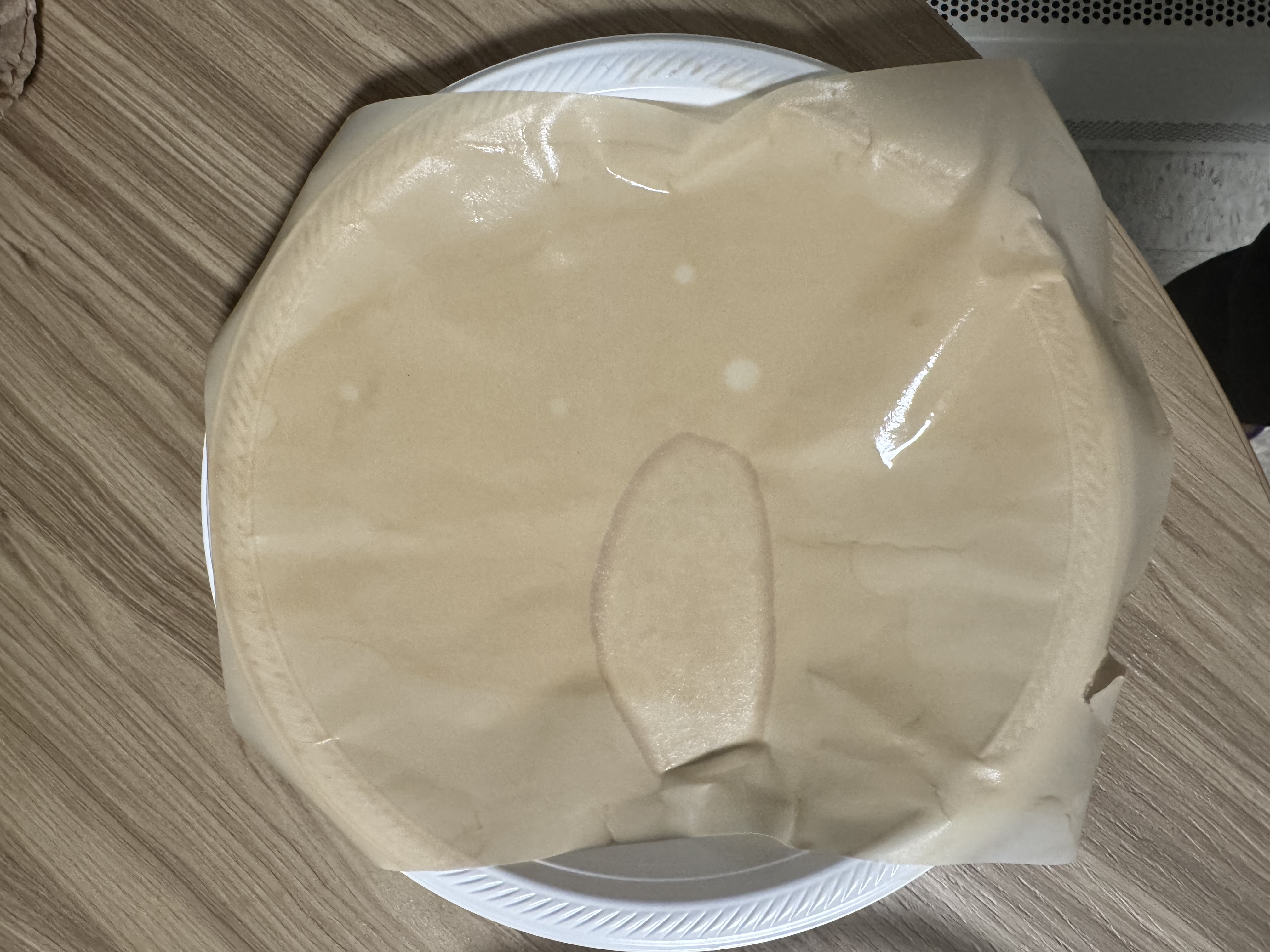
For my second attempt, I soaked the printer paper individually. Though time-consuming, I knew it would provide the best results. I left each paper in for about 10 minutes, listened to some tunes, and did some work in between. When I picked up the paper from the coffee, I would then let it dry on a towel for about an hour. During the drying process, for a reason I am not sure of, the paper naturally aged and looked older. Initially, I planned on adding further paper aging techniques, such as crumbling the paper or burning the edges. This proved unnecessary, and I was extremely satisfied with the result. Finally, after some patience, my work as paper-maker was done!
Unfortunately, another issue that occurred was a miscommunication between my group. When making the papers, I assumed that we would use both sides; however, the illuminator only used single sides. Since the project required limited communication from each group member, this issue was noticed after our manuscript was bound and will need to be fixed during the next part of the assignment.
Overall, I had a great time during this part of the project. It was fun to do a hands-on homework assignment rather than staring at a computer, as I do for most of my time as college student. While I was a little upset that I may have wasted some K-Cups, I was glad that they were put to some good, non-drinking use.
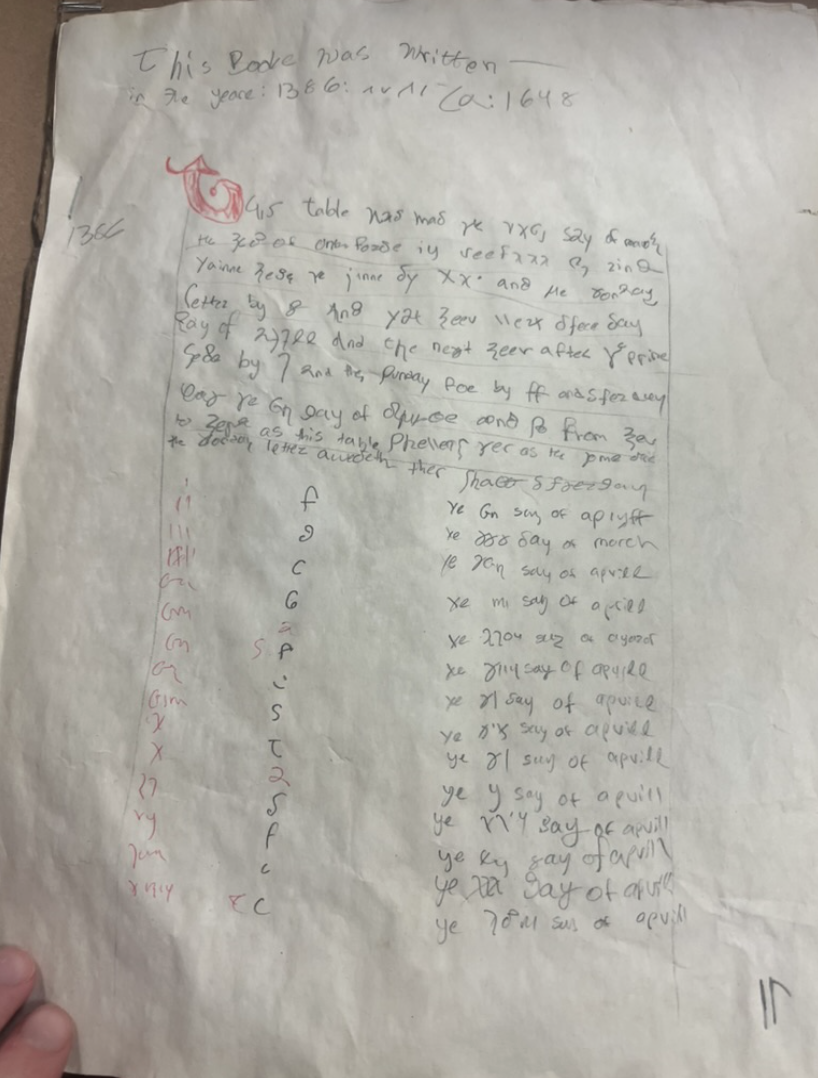
Scribe - As the scribe, I received the papers from the illuminator due to miscommunication within our group on the order of who did what. This resulted in me having to base the text off the scale of the illuminations which resulted in the text needing to be constantly adjusted in size and making them unable to line up as there were also no markers created by the paper maker as to where the text should be placed. Working within these constraints, the approach I took to being the scribe was to try and accurately mimic what I saw in the manuscript. The main issue I faced with this was that the manuscript was not very clear in some spots either due to the image quality itself or the text being written too small and close together. I tried to use context from other parts of the text to see what letters were present in the parts I could not make out, but was not always able to succeed. The other issue I ran into was habitually making the letters I was trying to scribe too much like how they would be in modern english. Out of habit, I would do certain strokes, if I was not concentrating as well, that would cause my words to look more english. This was especially prevalent in words that were the same in the manuscript and in modern english
Illuminator- For the physical manuscript, I was the illuminator. I first waited for the papermaker to design the pages, and once he was done, I was able to get started. I studied the digital reference manuscript closely; the illuminations in the manuscript we chose was primarily in the form of large blue majuscules, with several flourishes and minor details both in the lettering as well as around it. I chose to use a colored pencil for this job, as I felt it was the most accurate to what would have been used, compared to a pen or marker for instance. It definitely looked pretty accurate, but the blunting of the pencil tip over time made it increasingly difficult to mimic the precise details of the reference illuminations. All things considered, I think it turned out pretty well. Another challenge I faced was imagining the marginalia. Since there was not any writing on the paper, my illuminations had to outline the entire structure of the various pages. This was a struggle to get right, and I think it came out relatively accurate. Overall, the process was fun, but a bit monotonous and time consuming. Nonetheless, I enjoyed it.
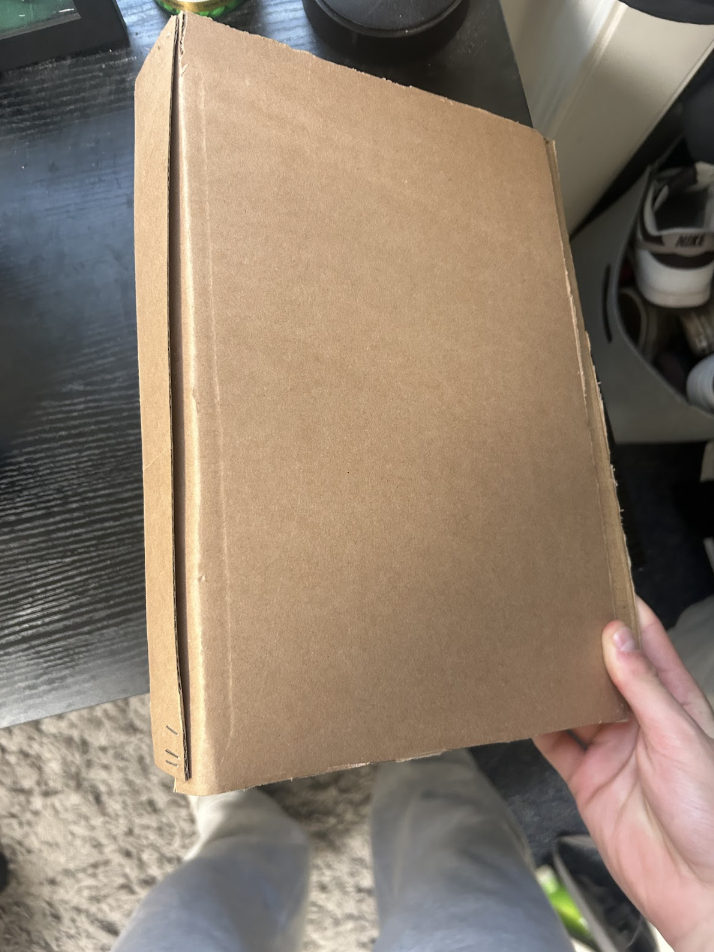
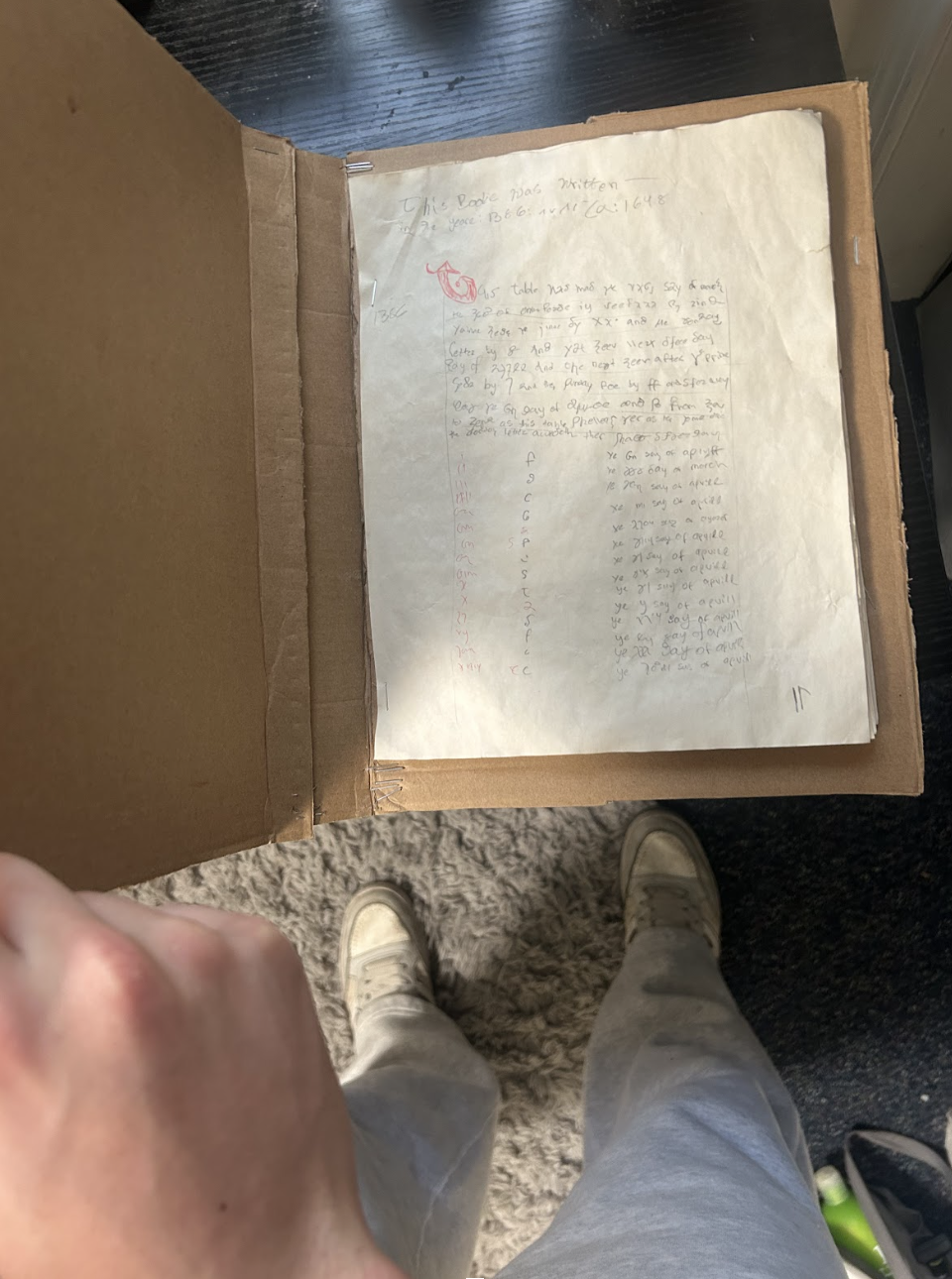
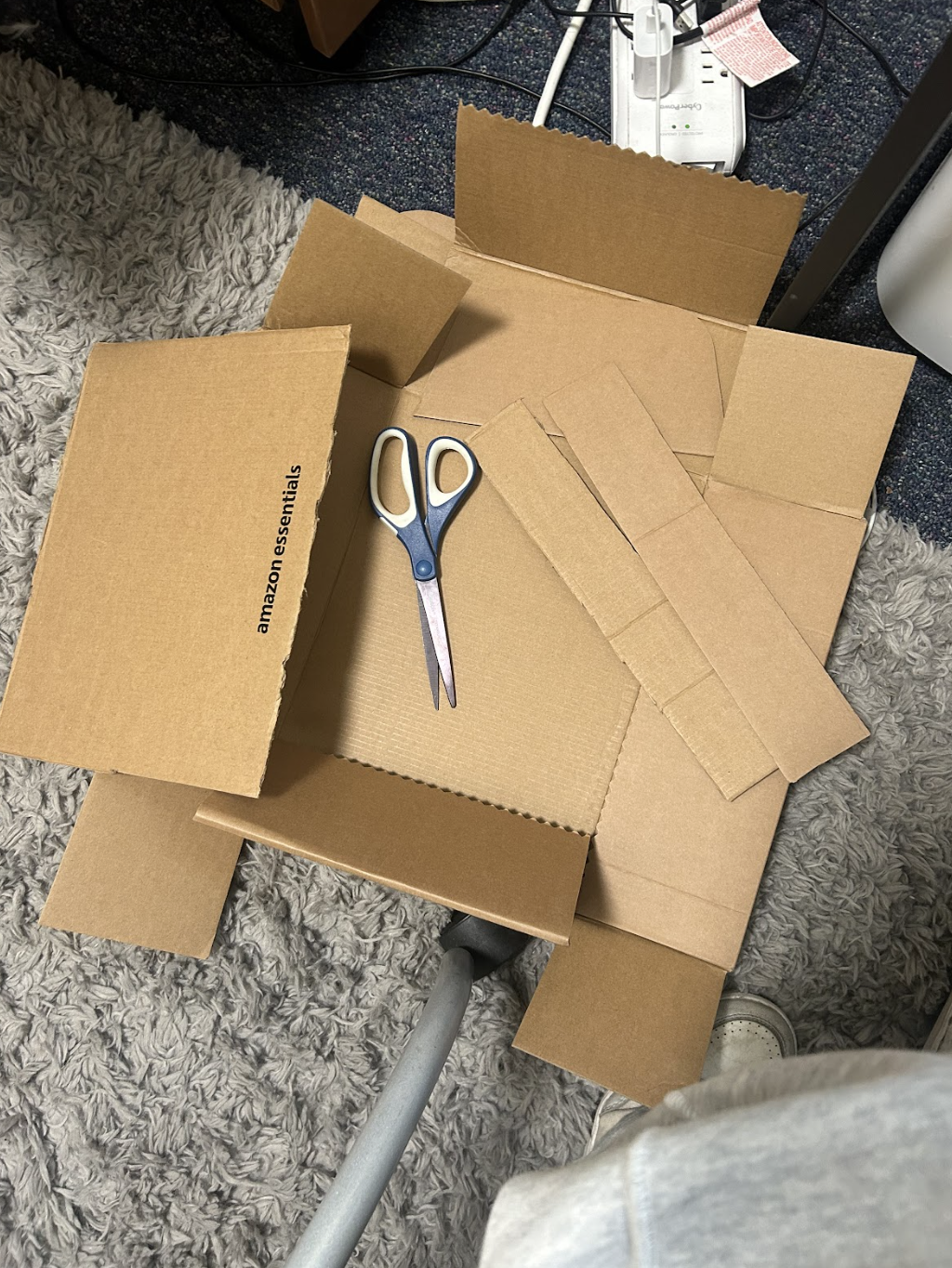
Binder - For binding the manuscript, I received pages from the scribe and added recto/verso page numbers. To make the hard cover, I used cardboard from an old box and cut it into a front, back, and spine. My first attempt at gluing the pieces didn’t work because the book wouldn’t open, so I changed the design by folding the spine and stapling it to the covers. I also stapled the pages to the back cover. Stapling it instead allowed for a functional and pretty strong binder for the manuscript. The plain cardboard look ended up being pretty accurate to the original manuscript’s simple design.