-
Title
-
Manuscript Project
-
Name
-
Ben Jacobs
-
Abstract
-
The manuscript Didactic pieces, created between 1425 and 1450, is a collection of religious and moral texts written in Middle English. It contains poems, prayers, and instructional writings, many by the poet Thomas Hoccleve. The manuscript was meant to guide readers in spiritual reflection and ethical behavior. It served as a tool for devotion and moral teachings.
-
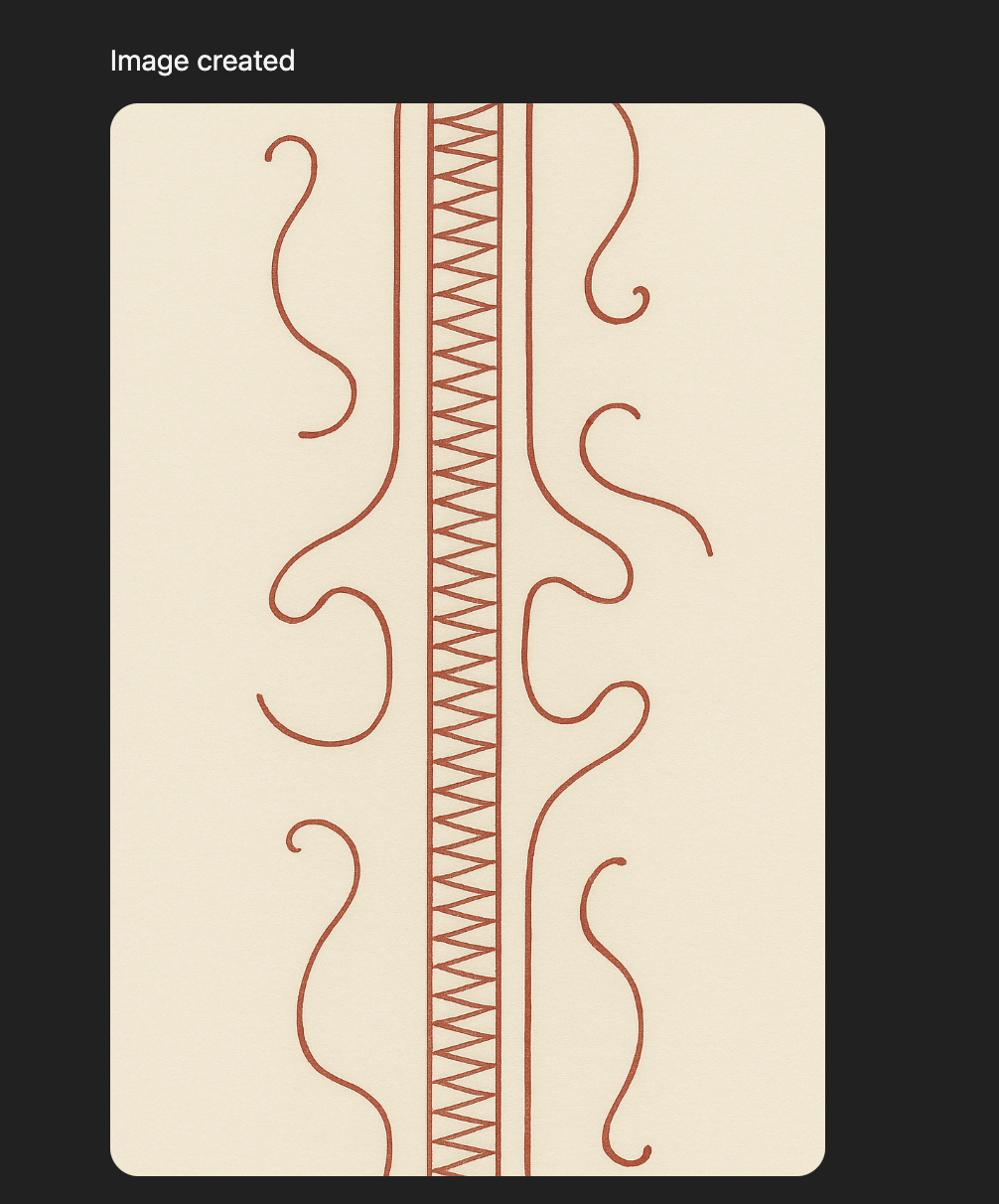
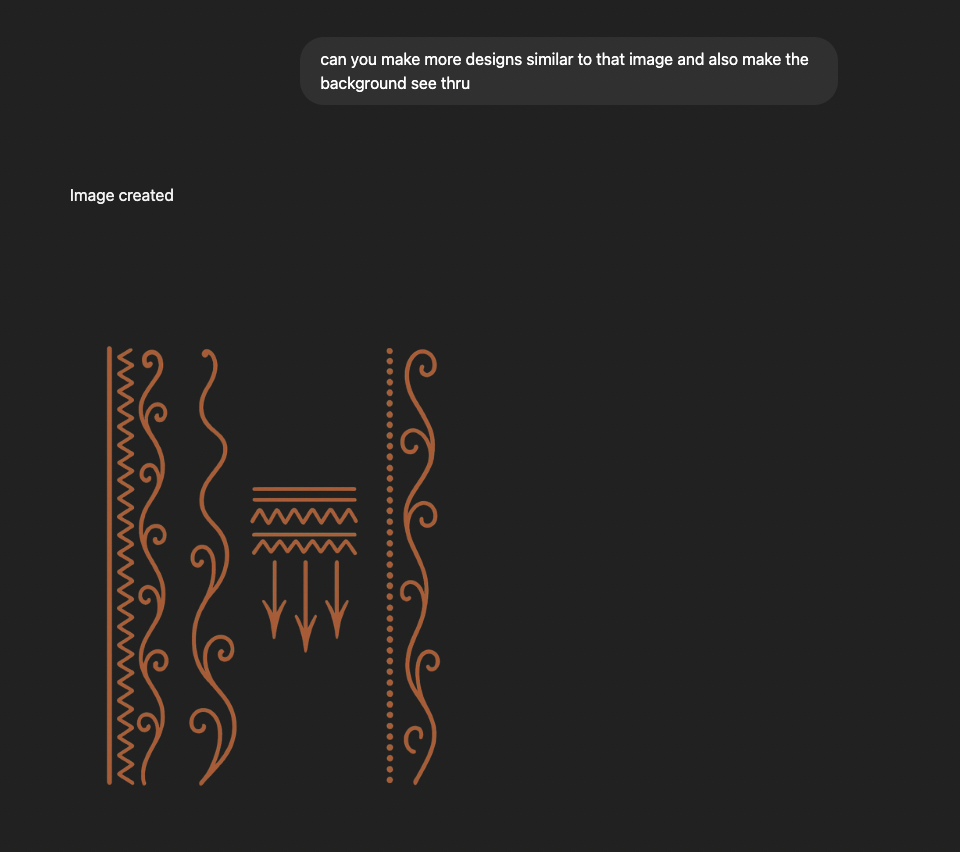
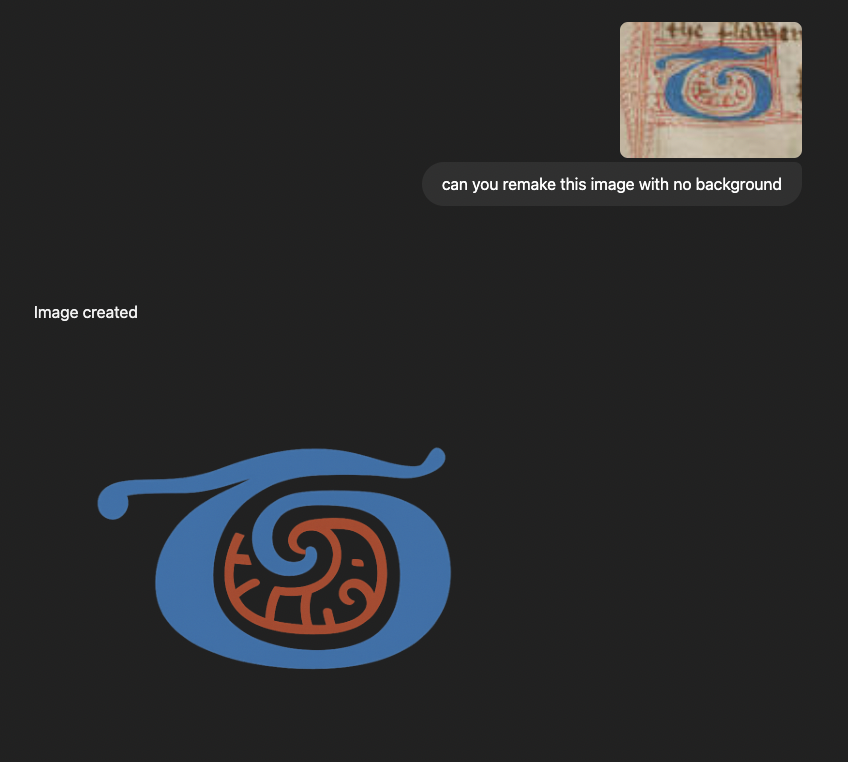
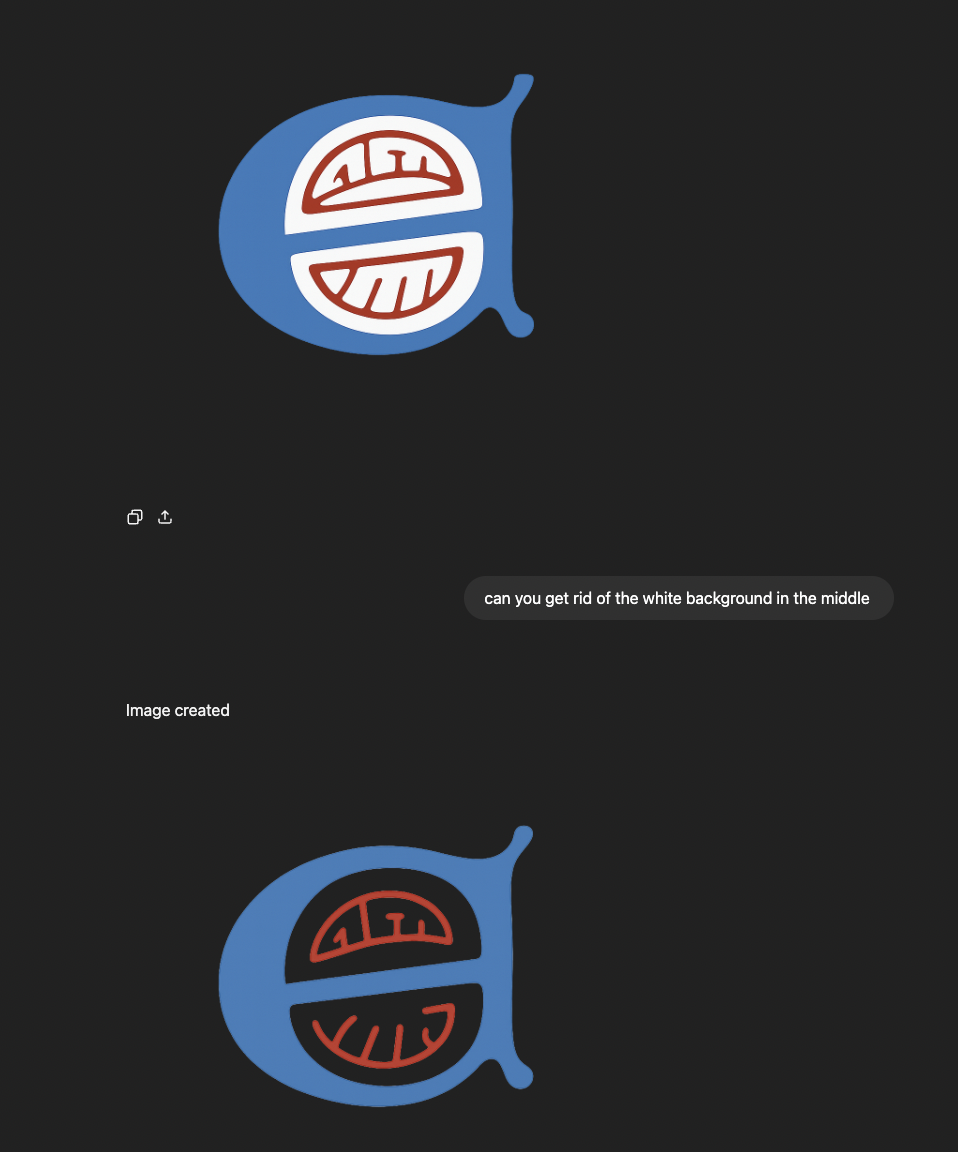
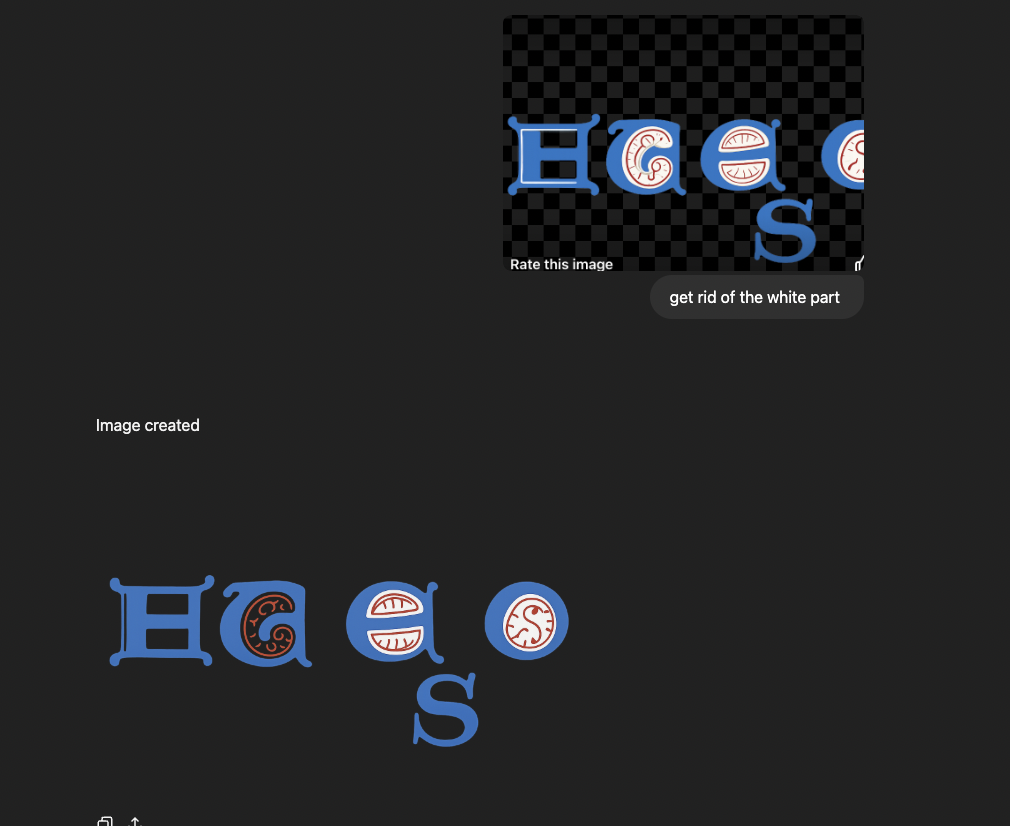
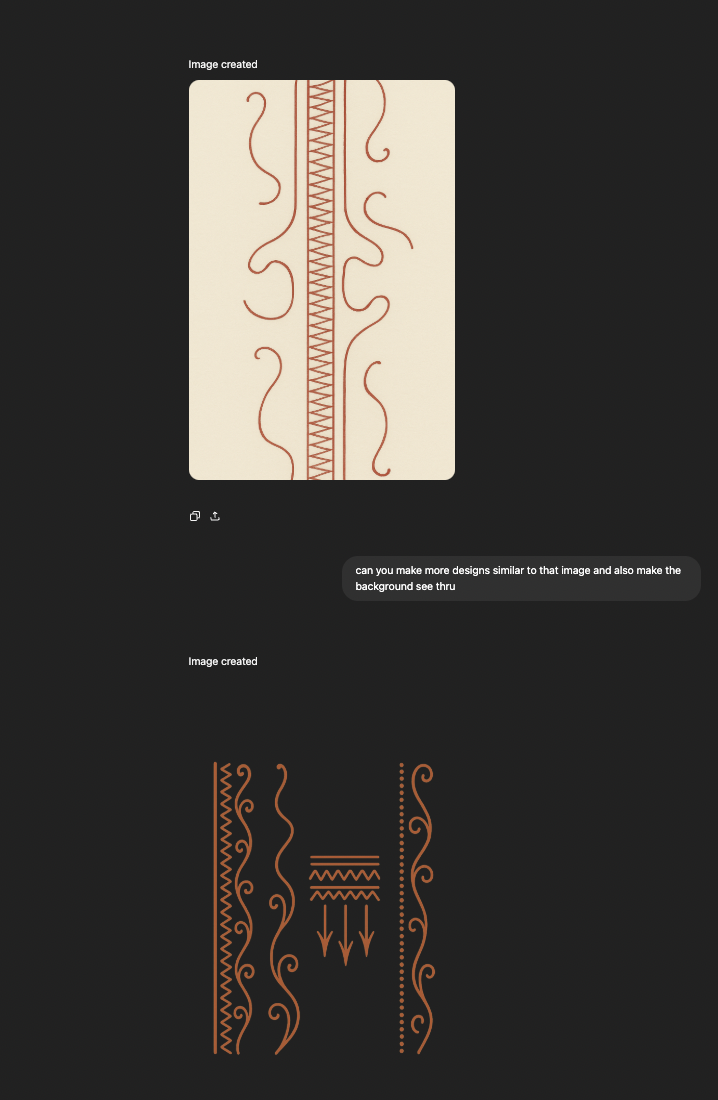
My role for the digital part of the manuscript was the illuminator. Previously, I was the paper maker, creating the paper for our manuscript by soaking the printer paper in Keurig-brewed coffee. My digital role was, of course, vastly different than this. For the illuminator role, I used AI to create the illuminations needed for the digital manuscript. This technique has both pros and cons. I took screenshots from the original manuscript to instruct the AI to form the illuminations correctly so the AI could have a reference. I then told the AI specific details to include and focus on. This process was often tedious and time-consuming as the AI was not the greatest listener. I also had to screenshot each image that the AI provided me individually. The pro to this technique was that the AI's illuminations were very accurate to the true manuscript and far better than anything I could have created either by hand or virtually. However, I believe it would have been a more enjoyable and rewarding experience if I had created the illuminations by hand (just not as good!).
When comparing my experience as a paper maker and digital illuminator, I enjoyed the role of a paper maker more. There are not many times in college, especially as an economics major, where I can work with my hands and craft something, which is why I enjoyed the opportunity to do so. Further, the opportunity to see an art project through is very rewarding. Conversely, there are many times when I stare at my computer screen and work with AI, such as what I did in my illumination role. Interestingly, AI most likely provided the best results for illuminations (unless you are an artistic genius), while papermaking by hand formed the best results rather than a digital version. This reality shows that utilizing today’s technology with standard everyday practices can often provide the best outcome.