-
Title
-
Fall of Princes
-
Name
-
Kyle Zaslaw, Sam Strazza, Dan Sheeran
-
Abstract
-
The original manuscript our group decided to use is titled Fall of Princes, dated between 1440 and 1460. We located this manuscript on the Huntington Library website and is written in Middle English. This manuscript stood out to our group based on its detail, cursive and images. Gold accents and illuminated letters highlight the time and efforts that went into making it. This version of Fall of Princes is a long poem written by John Lydgate. He based it on an older Latin book by a writer named Boccaccio. The poem tells the stories of famous historical and biblical figures who rose to power but eventually fell from grace. Overall the color, detail and appeal of the manuscript was a big reason why we wanted to use it for our project.
-
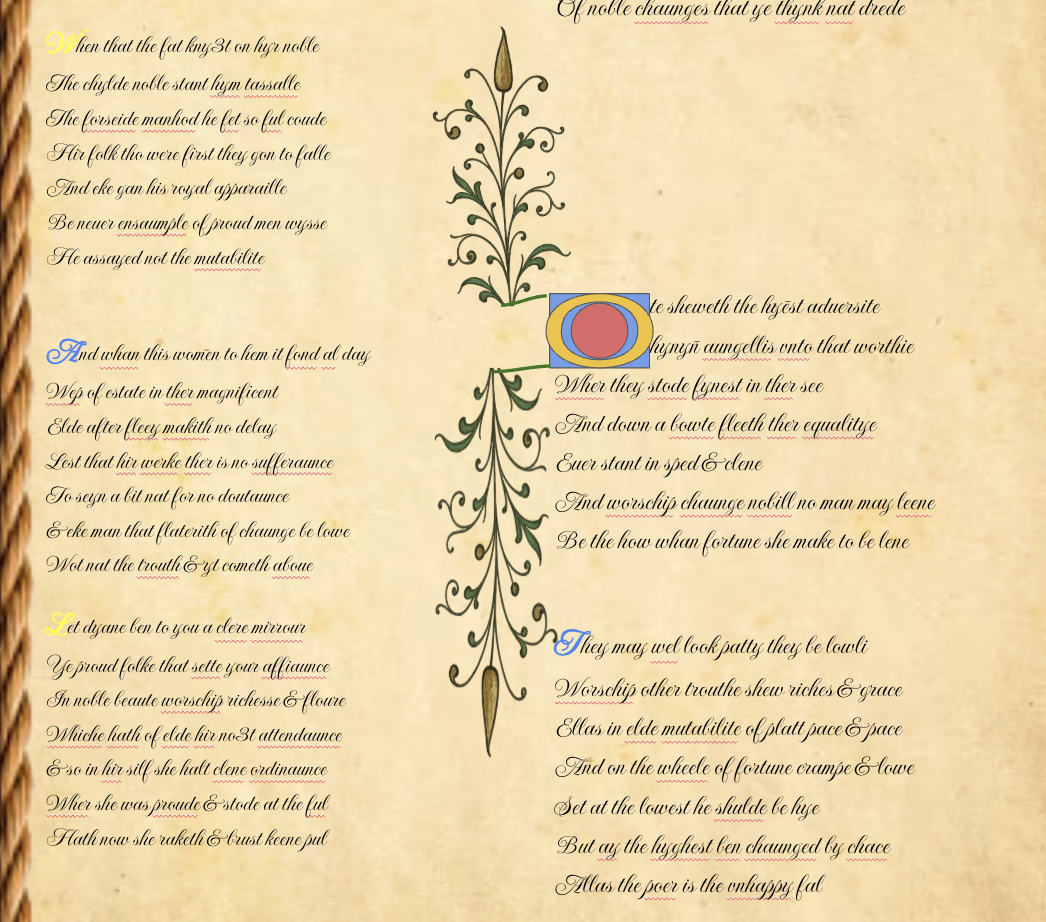
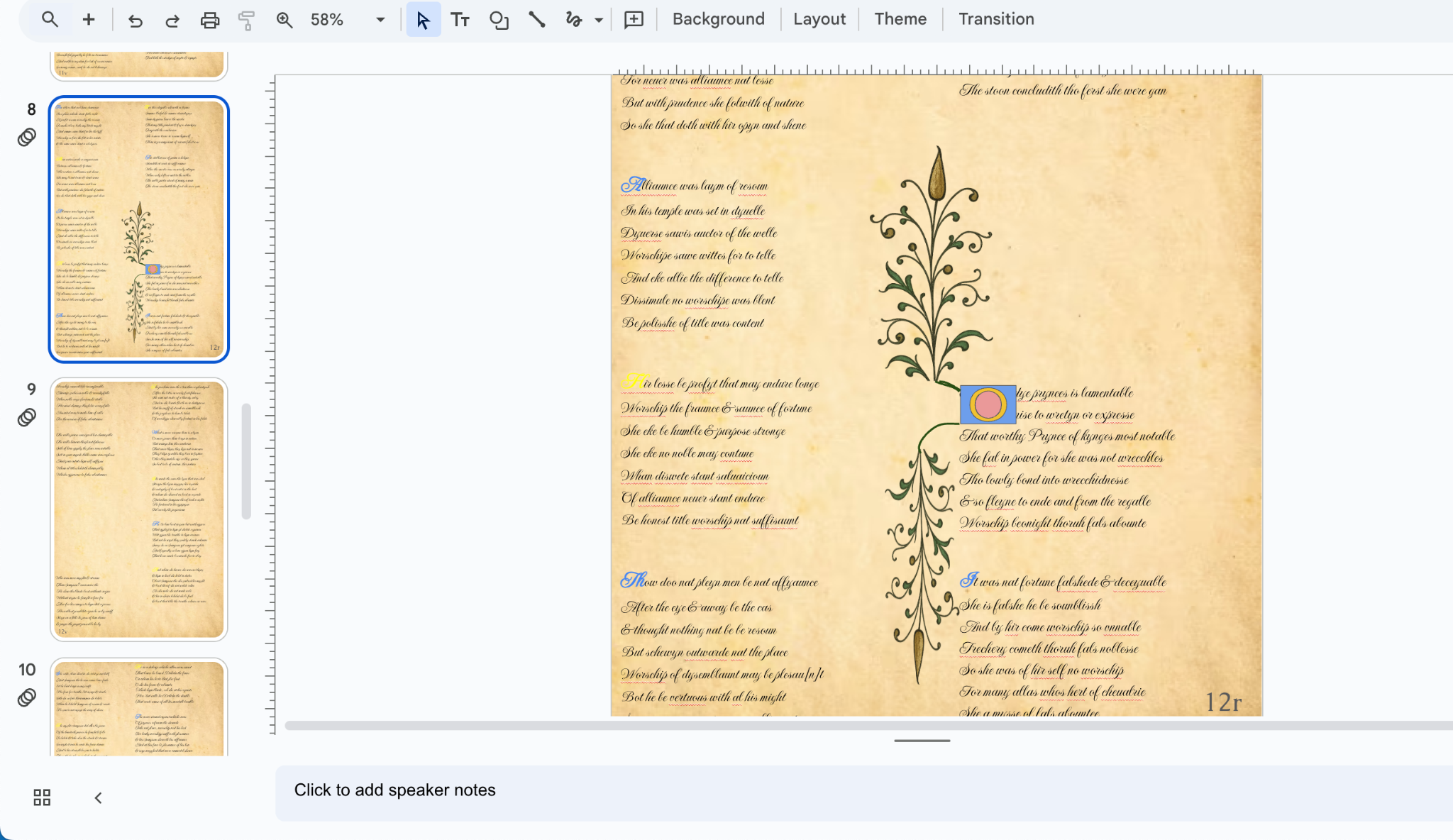
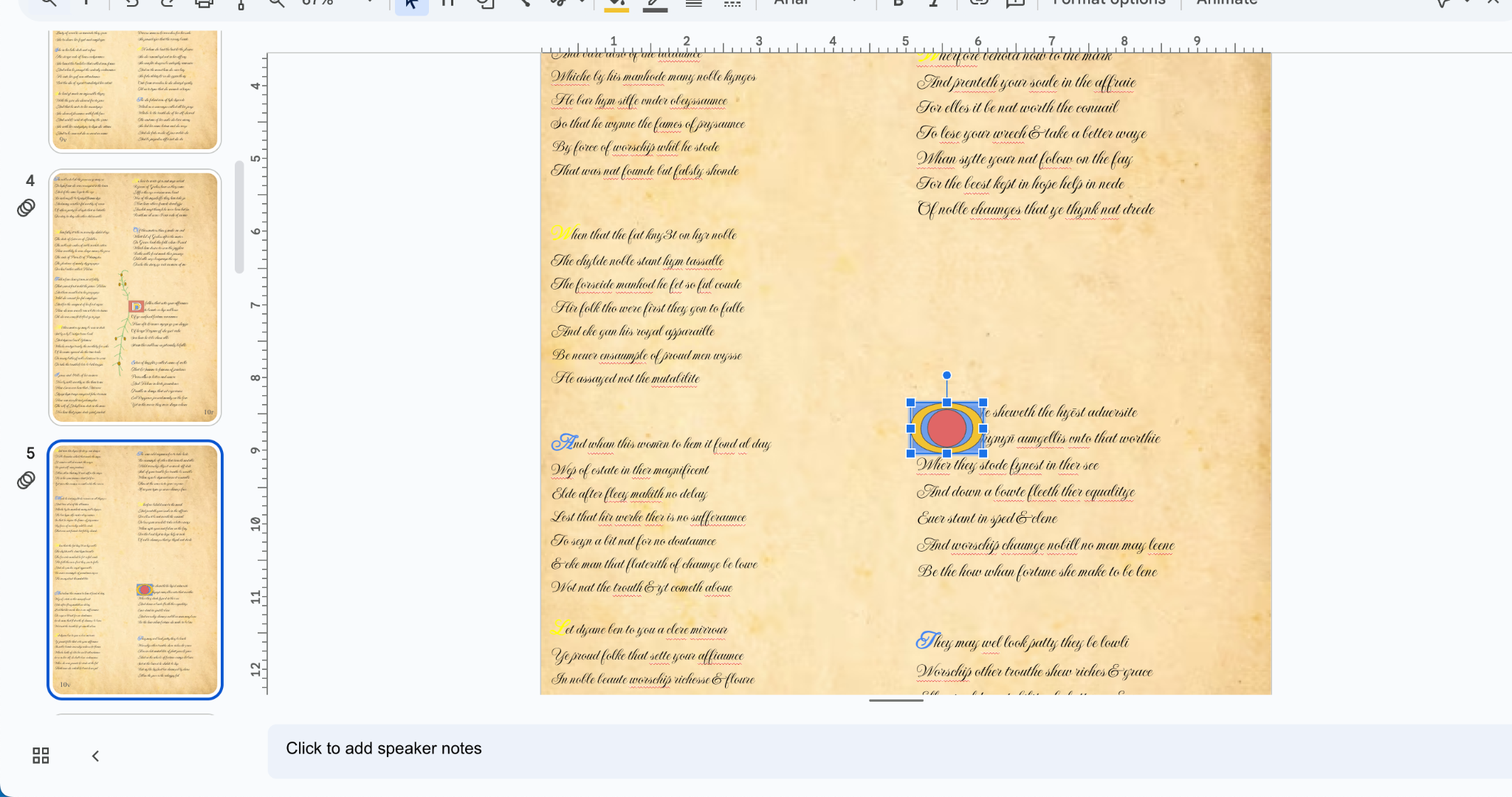
For part II my group created the digital manuscript, Fall of Princes, which was made sometime between 1440 and 1460. My job as the scribe was to copy the written section of the manuscript our group chose. The pages of the manuscript Fall of Princes, were 9r-14v. At the beginning of the year when we had to choose our jobs for each part, I did not expect the difficulty and time it would take for the scribe. I started by pulling up the Fall of Princes on the Huntington website which was more clear and a lot easier for me to copy compared to our physical copy. Having taken 3 medieval literature classes this year, trying to understand and translate the words from each page was not easy in any means, but not impossible. I am not sure if I actually did it exactly right word for word, but felt a sense of satisfaction when I finished based on the results. Our group decided to use google slides for the digital manuscript and once the correct background/paper similar to Fall of Princes I was able to start working. My goal for the scribe was to try and translate each page and then go back and choose a font which I believed matched the best to our manuscript. This took extremely long and at times was very frustrating based on the length of the 12 pages of writing. Even though I was just copying word for word, it took time to try and not only translate, but replicate the spacing and format of the exact copy. I had to use different text boxes at times and different size fonts to make everything fit on each slide/page. I used an arial font for each page just to make the process more quick, then after each page was done, I chose to use the font imperial script (imperial script). I chose to use this font because I felt it was the most similar to the manuscript and medieval writing used. I liked the effect of it and felt it blended well with the paper background. After finishing the scribe job, I was not only relieved, but found a greater appreciation for the actual time and effort that went into making manuscripts. I can not imagine the actual process and dedication it takes for this to have been completed, especially with the key detail, length and artistic approach. Even though it was challenging and time consuming, the final product made me feel proud of the work I did.
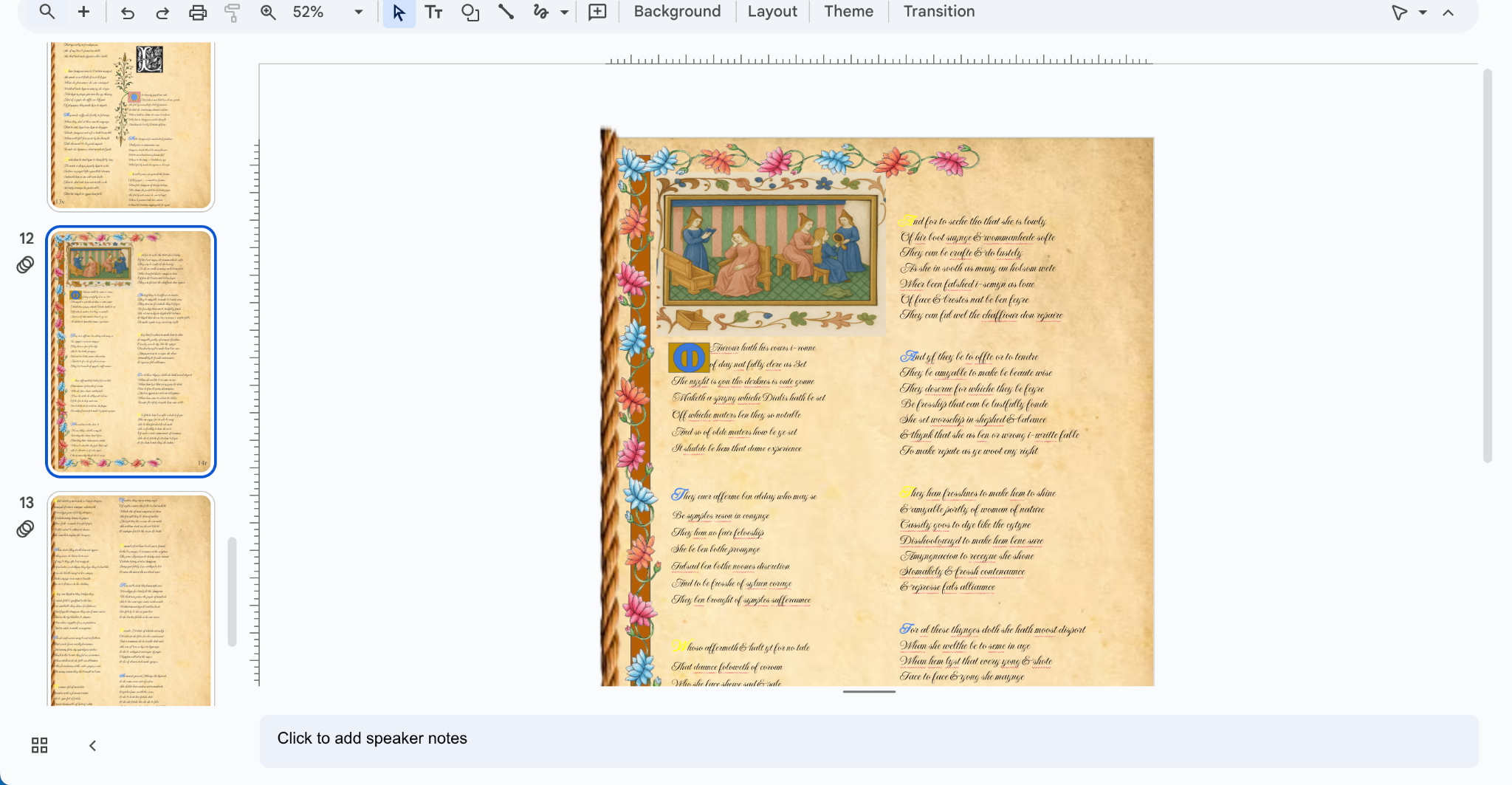
My role was the illuminator, so I was responsible for creating the illuminations for the manuscript. There were a few issues that I ran into in this role. The hardest task being to figure out what digital images and designs I wanted to use. This process was difficult as I tested out various strategies for recreating these illuminations, before finally deciding on the best one to use. At first I manually drew the flower-looking illuminations that were utilized next to some letters, but then I realized that using an AI generated image would be better. Another issue that I ran into was deciding which flowers to use for the bordering. All the images I found online were somewhat accurate, however, I had to take an extra step in removing the backgrounds of these images which was time consuming. It was time consuming, but allowed me to utilize some cool innovation techniques. To recreate the actual drawings of people in the manuscript, I uploaded a picture of them to an AI photo generator and this gave me digital versions of the images which I used. Any other way of recreating these would have been extremely difficult, so I am thankful that we were allowed to use AI for this role. Another time consuming task was coloring the first letters in each paragraph, as well as creating the larger, more detailed lettering. This process was entertaining because I got to utilize shapes and colors to mimic these illuminations.
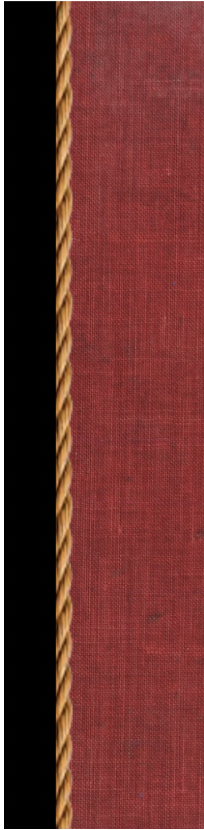
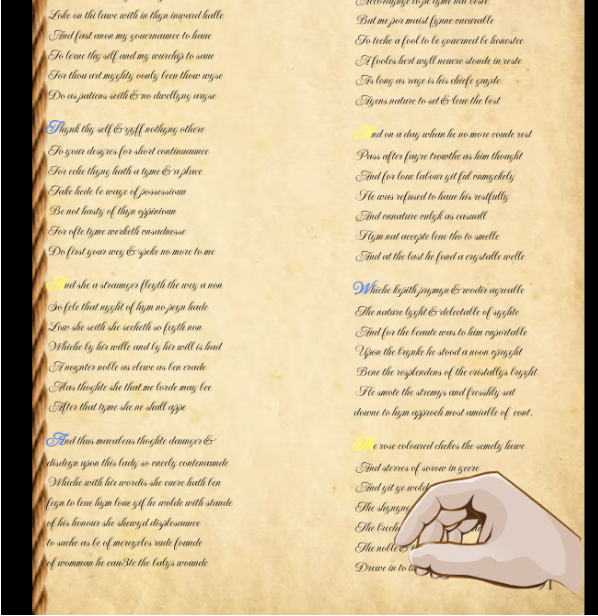
As for my role as the binder, it was pretty clear that by the time it got to me, the manuscript was much neater and more organized than the physical copy. This clearly is because of text boxes and a font size that was able to properly align with the page with no human error. More specifically to my role as the binder, I was able to copy a rope clipart design from canva to use as the digital binding. Although I did not bind the physical copy, I am positive that this task was much more simple then binding the string to keep the manuscript together in part 1. However, one negative experience I dealt with making the digital manuscript were transitions, as well as user interface. Specifically, I believe that this was due to our use of google slides, rather than another platform. When looking to provide a realistic animation of flipping a page, google slides did not have a good animation to resemble that action. So, I used the closest alternative of the page sliding from right to left. Similarly, I struggled to add a hand that looked as if it was turning the page. After trying several different pictures of hands, and attempting to animate them, I felt it looked better to leave that idea out. The last feature that I felt worked pretty well was the front and back page cover. I was able to find a red cover on google that matched our physical manuscript pretty well. Overall, after experiencing making both a physical and digital manuscript, it is pretty safe to say that the process of making the digital copy was definitely easier and more accessible for our group of four people. However, the physical copy was definitely more unique and felt more relatable to the manuscripts that we have studied and examined in class.