
Items
-
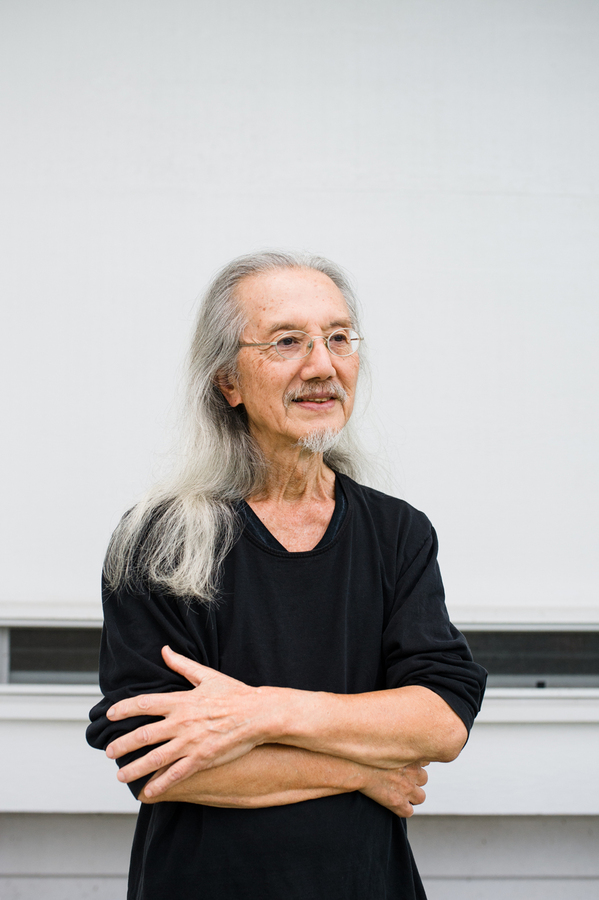 Masami TeraokaMasami Teraoka was born in 1936 in Onomichi, Hiroshima-ken, Japan (Teraoka 2018). He studied at Kansei Gakuin University in Japan, graduating in 1959 with a B.A. in aesthetics, and continued on with higher education receiving both a B.F.A and M.F.A from Otis College of Art and Design in Los Angeles in 1968 (Teraoka 2018). Teraoka explores complex themes of social and political issues with large-scale works, from AIDS to hypocrisy in religious institutions and beyond. (Teraoka 2018). His work draws heavy inspiration from both Renaissance paintings and Japanese traditional Ukiyo-e. Teraoka often uses oil paint in his recent work, however, he also has created many iconic works using watercolor and other painting techniques. His watercolor paintings and prints in the 1970s emulate Japanese ukiyo-e woodblock prints (Yoshimoto 2011). In this series of works, he often satirized the American cultural impact on Japan, creating a new narrative that was driven by his culture. He has made works such as “Semana Santa/Cloisters Workout” which address significant American historical events, such as 9/11 (Miles 2008). His most recent work comments on the institutionalized sexual abuse within the Catholic church. His series, created in 2018, titled “Last Supper Series” emulates the art style of the Renaissance with oil paint and gold leaf set within gold leaf frames. They are all grand in scale, over 120” x 122” each, and resemble something that would be seen at a church altar, or even a stained glass window. However, the subject matter is explicitly sexual, raw, and at times even violent. Zombie-like popes and voyeuristic priests are associated with women posed sensually while also fighting against the antagonists of the work. Teraoka creates a provocative collection that challenges the church’s foundation while also including aspects of his own culture. He includes Geishas in some of the works, creating a broader narrative of this complicated issue. Teraoka uses geishas to insert his cultural background into a Western-dominated discourse, challenging who gets to tell the story. Inserting geishas creates a conversation on sexual politics and feminine power.
-
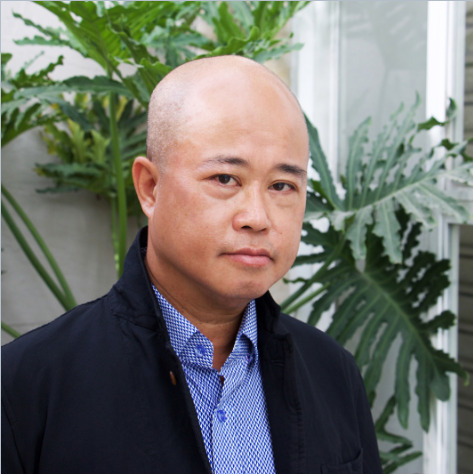 Lê Quang ĐỉnhLê Quang Đỉnh is a Vietnamese American artist originally from Hà Tiên but grew up in Los Angeles. He was born in 1968 during a period of constant political conflicts in Vietnam. It led to his family fleeing to the United States, where he committed to pursuing art. He received his Bachelor’s of Arts degree in Studio Art from the University of California, Santa Barbara in 1989 and his Master’s in Photography and Related Media at The School of Visual Arts in New York City in 1992 (VCAD, n.d.). His art journey began early after he finished his education. Đỉnh was a creative artist who could work with various channels of art: photo-weaving, documentaries, art installations, and many more (Rice University, n.d.). His works mainly address themes surrounding his life stories: wars and conflicts, the impact that they have on him, and his struggles with self-identity. Upon witnessing the propaganda spread about Vietnam, Đỉnh created various illustrations representing his unbiased perspective of the “American War,” as it is known in Vietnam. His rearrangement of urban elements with documented stories of witnesses serves as a means to pay respect to the people and the history (Projects 93: Dinh Q. Lê 2010). One highlight-worthy work of his is The Farmers and the Helicopters (2006). One noteworthy aspect of this installation is that it utilizes various means of media, including sculpture, video, and found objects. He created a three-channel short video encompassing snippets of beautiful scenery from his hometown, adjacent to which are short interviews of Vietnamese sharing their recollections of the war, and clips of helicopters from an American documentary on the Vietnam War. With the help of Le Van Danh, a farmer, and Tran Quoc Hai, a mechanic, Đỉnh was able to create a model of a real-life helicopter, which both amazes and terrifies the Vietnamese at the same time. Ultimately, the creators’ vision was to bring awareness to the multilayered nature of the Vietnam War and the relationship between the Vietnamese people and the helicopter, a prominent figure in the war (Museum of Modern Art, 2010).
-
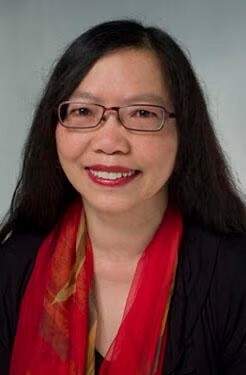 Nancy HomNancy Hom is a Chinese-American artist, writer, organizer, curator, and art consultant with over 35 years of experience in the non-profit art field (Nancy Hom Arts, n.d). She was born in 1949 in Taishan, China, but later moved to New York City in 1954. She had taken an interest in art ever since she was young. She attended Pratt Institute and earned a Bachelor's degree in illustration and visual communication in 1971. When Nancy resettled in San Francisco in 1974, she continued her art endeavors: she contributed to the development of various art organizations, including the well-known Kearny Street Workshop, where she served as the executive director for 8 years (Online Archive of California, n.d.). She has created a significant body of work across a variety of media, including poster art, graphic designs, printmaking, art installations, as well as curatorial projects. Her creative works and projects communicate her multifaceted identity as a woman, an immigrant, a mother, and an activist (KPFA 2010). Her involvement in activism and artistic movements is extensive: not only was she an active member of the Asian American Women Artists Association and the Asian American movement, but she also drew attention to social matters like political, racial, and gender-related issues through multiple mediums of art.
-
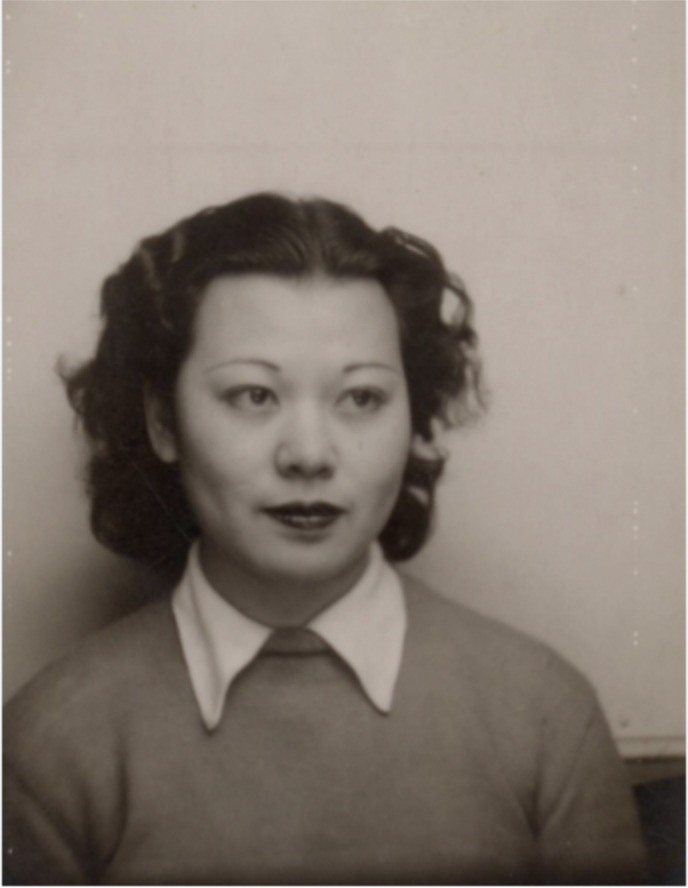 Miné OkuboMiné Okubo was born on June 12, 1912 and died in 2001 at the age of 88. She was a Japanese American who grew up in Riverside California. She pursued an education in art, earning both her Bachelor’s and Master’s degrees from the University of California, Berkeley (Spring, 2017). Before World War II, Okubo traveled and studied in Europe continuing her passion for art through murals and mosaics. However her work was cut short when Okubo, along with over 120,000 Japanese Americans, were forcibly removed and incarcerated after the bombing of Pearl Harbor (Hong 2014, xxv). The events that occured in Okubo’s life, especially the injustice of being imprisoned by the very government she worked for, became a central influence on her future work. Okubo is best known for her powerful documentation of life inside the Tanforan Assembly Center, just outside of San Francisco, and the Topaz concentration camp in Utah, where she was incarcerated during the war. She recorded everything in sketches, drawings, and paintings resulting in nearly 2,000 line drawings that captured the daily lives of imprisoned Japanese Americans. Cameras and photographs were not permitted in the camps, so Okubo’s drawings became a rare and invaluable visual record (Spring, 2017). Her drawings depicted the harsh treatment and conditions that took place in the camp but also highlighted moments of community created by the Japanese Americans who were wrongfully stripped from their families and lives. Her most significant contribution is Citizen 13660 (1946), the first book written and illustrated by a former prisoner about the American concentration camp experience. The book not only reveals the harsh realities of incarceration but offers a new perspective on citizenship, injustice, and American identity. The artwork referenced above is her pen and ink drawing, where she portrays herself and her brother, a two-person family now identified by the numerical designation “13660” (JANM, 2021). The simplicity of the pen and ink linework contrasts sharply with the emotional message of the scene. By focusing on these identification tags which appear six times in the image and have been pinned to each person and piece of baggage, Okubo draws attention to the erasure of individual identity. Japanese Americans were no longer seen as citizens, and for Okubo she was no longer a daughter or an artist but simply a number assigned by the government. Through this and her other simple but powerful drawings, she was able to convey the emotional strain felt by those imprisoned. Okubo’s ability to combine humor with critique, and simplicity with depth, makes her work a powerful contribution to American art and history. As she reflected, “I hope that things can be learned from this tragic episode, for I believe it could happen again” (Okubo, xxix). Her drawings stand not only as a record of the past but also as a warning for the future.
-
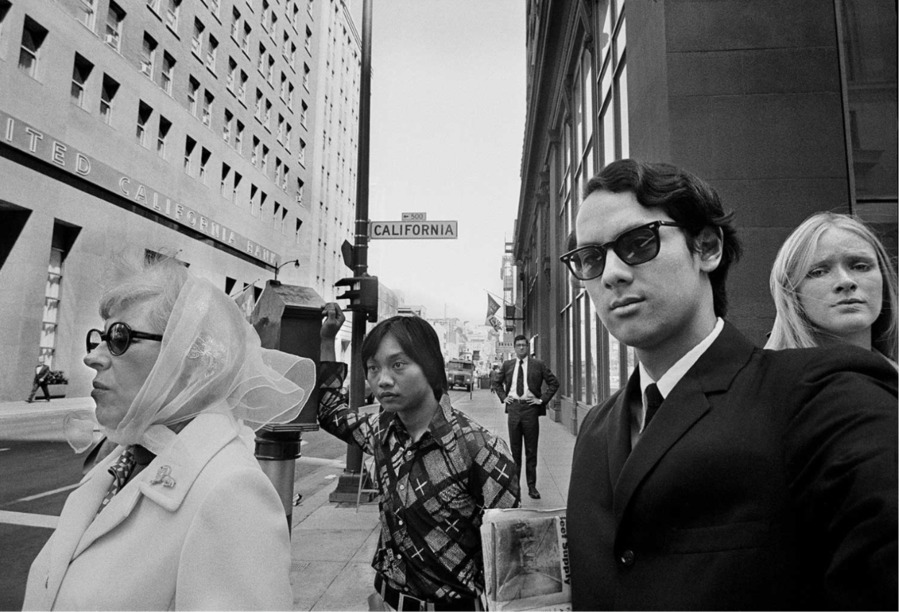 Michael JangMichael Jang was born in 1951 in the United States. He grew up in California and studied at CalArts before earning his MFA from the San Francisco Art Institute in 1977. In his early career, Jang turned his camera to the vibrant world around him, photographing everything from his extended Chinese American family to Hollywood’s elite and San Francisco’s punk scene. Although he took thousands of images in his twenties, he kept them hidden for decades and instead turned to work photography jobs for weddings, bar mitzvahs, and magazine commissions. It wasn’t until Jang was 70 that he began to publicly exhibit his earlier work, contributing to the new urgency to share images that connect to current conversations about identity, belonging and American culture. (Gallun, 2022). Jang is best known for his candid black and white photographs that explore themes of family while surrounded by American culture. Jang’s photography blends humor with social messages through candids. His images capture moments that reflect both personal narratives but also cultural dynamics. His most intimate images come from documenting his family in their everyday lives. These photographs challenge stereotypes by presenting Asian American life as ordinary and joyful while deeply rooted in American suburbia (Aperture, 2022). The artwork referenced above is a part of a project Jang worked on across the 70s and 80s called The Jangs series. In this photograph, Jang captures a lively moment at a family gathering between his aunts and uncles. The oversized smiles, coordinated sunglasses, and expressive facial expressions create a scene that is full of energy, authenticity as well as warmth. We also get a sense of love and togetherness among the family. The black and white format adds a timeless feel while the contrast between the formal attire and the accessories add a humorous perspective to it. (Haeusslein, Allie, et al., 2019). The image goes against the classic representations of Asian American families by highlighting their individuality, personality, and a sense of fun in times when Asian Americans often faced cultural marginalization and rising anti-Asian sentiment. (Downtown San Francisco, 2022). Through his work, Jang allows the viewer to reconsider what it meant to belong in America and pursue the American dream. Instead of reinforcing one dimensional portrayals, his images allow us to instead celebrate community, humor, and resilience as essential parts of American identity through candid snapshots of his family.
-
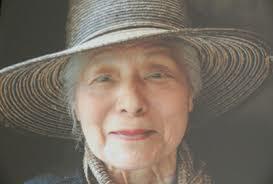 Toshiko TakaezuToshiko Takaezu was a very influential artist because she did not follow the norm and made art that expressed herself and upbringing. Takaezu was born in Hawaii in 1922, she was one of 11 children and was influenced by art at a very young age. Her family was a very traditional Japanese family and the first school that she went to was very encouraging of her artistic abilities. She then went onto study both painting and ceramics, and worked at a ceramic studio in Honolulu. All of this experience is what gave her the confidence to be so creative and unorthodox in her works. Takaezu created her pieces with a balance of self-discovery and self-expression as she made items that were meaningful in that they told a story but not the whole story. Her idea to make rounded and sealed ceramics was a way of “hiding” what was inside, as you can truly never know anything about something or something. This was a symbol of her inner-self, as you can examine the outside of the work all you want but it will only tell you so much about what is inside. Moreover, she would often put a small piece of clay inside to give an audio effect to the work (Takaezu Foundation). This was very new in America because at the time, most ceramic works were created as functional pieces that served a daily purpose, but Takaezu’s pieces elevated the medium to a form of fine art. Aligned with her Japanese upbringing, she used her work as a form of meditation, as it was very calming for her to craft her sculptures. The ceramic work featured here is called, “The Dancing Brush,” and is a very good example of what most of her works looked like. It took many years but this was roughly the final shape that she settled on for her ceramic pieces. Her ceramics were heavily influenced by the minimalist ideals of Zen Buddhism and Japanese aesthetics (Art, 1990). Toshiko Takaezu passed away not long ago in 2011.
-
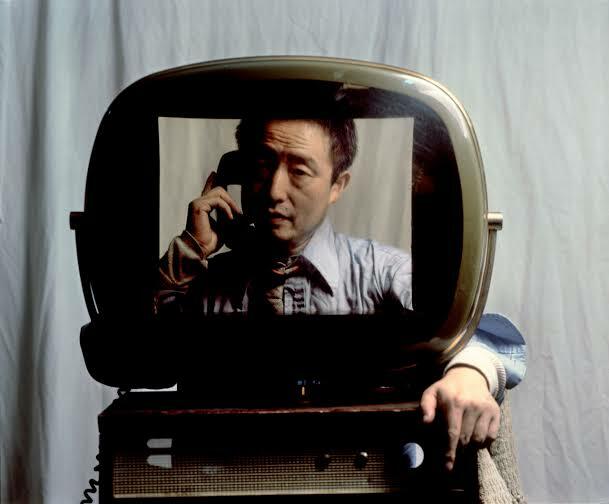 Nam June PaikNam June Paik was a groundbreaking artist who focused his work mostly around visual/video arts which he made popular. He was born into a wealthy industrial family in Seoul, Korea in 1932. Due to the Korean war his family fled to Hong Kong and then Japan in 1950 where he was until Paik came to the United States in 1956. He was widely known as the “father of video art” (Smithsonian, 2009) as he was the first one to make works of his kind. Paik graduated from the University of Tokyo in 1956 where he studied music and aesthetics, sparking his interest in art. Most of the training and early work that he was involved in in the United States was regarding music but the little bit of art connected to it is what made him get into the more visual side of art. Another motivator for him was working with people such as the very unorthodox musician, John Cage, which is what inspired him to make his untraditional pieces(New Yorker, 2013). As previously mentioned he was revolutionary in the electronic film-art industry and most notably known for one of his works named the “Electronic Super Highway” (1995), which he made to show the future of the US and where it was headed with technology. He often incorporated a television and video cameras into his art as it represented the future of surveillance and eyes being everywhere. Another one of his famous pieces was named “TV Chair,” which was simply a tv monitor underneath a chair with a glass seat. He made it in 1968 and is known for saying, “If you sit on it, you're in the image, but you couldn't see it!” (Smithsonian Mag, 2013) This was because there was a camera pointing at the chair and the live feed was underneath. His message was to show how media and real life are merging and in scary fashion. He was also commenting on how television and surveillance were starting to influence how people viewed reality and that when you were in it, you were truly unable to recognize this. He sadly passed away in Miami Beach, Florida in 2006.
-
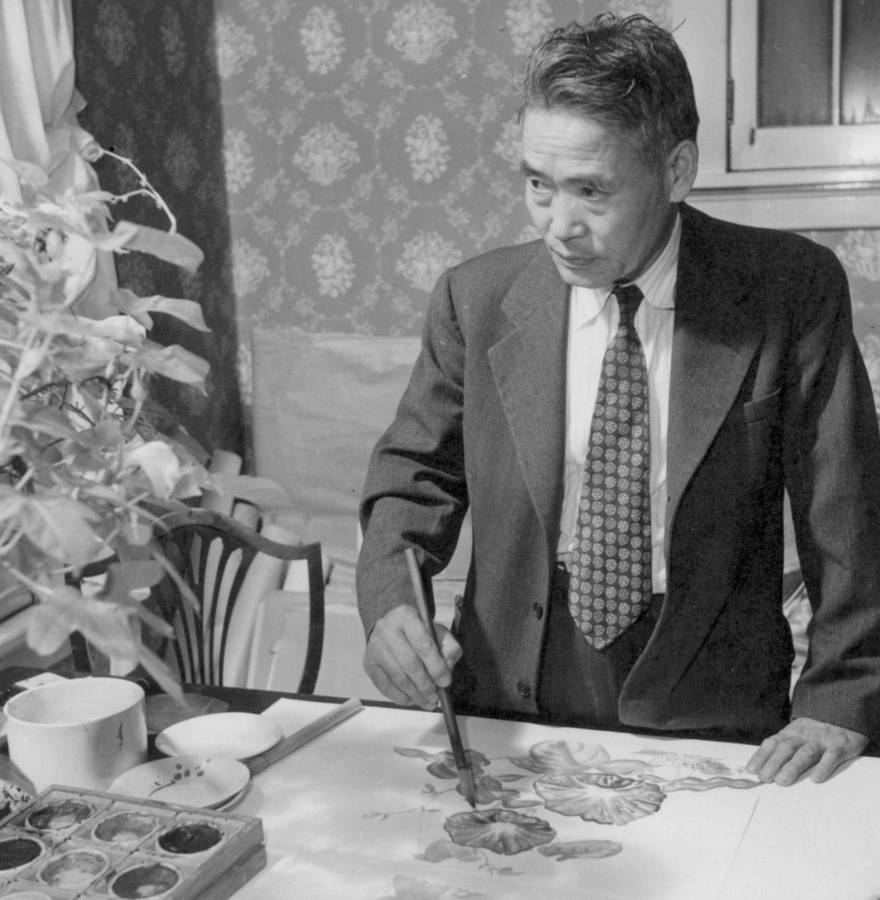 Chiura ObataChiura Obata was born on November 18, 1885 in Okayama, Japan and died on October 6, 1975 in Berkeley, California. Obata received elite art training in Tokyo, Japan before he emigrated to the United States in 1903. (Wang 2018, 10). Obata was instrumental in bringing Japanese brush-and-ink techniques to the West Coast. In Japan, he worked for seven years as an apprentice where he was forced to paint without resting his elbows. After he mastered those lines and circles, he was able to paint freely. During his early life, Chiura Obata was adopted and mentored by his older brother, Rokuichi Obata who was known for his Western-style of art. When he was 14, Obata’s older brother enrolled him in military school, but Obata fled to Sendai to work as an artist instead. (Landauer 1993, 18). In the United States, Obata became active in artist communities in California and became a professor of Art at the University of California, Berkeley from 1932-1954. After Japan’s attack on Pearl Harbor, Obata was incarcerated from 1942-1945 with 120,000 other Japanese Americans. Obata established art schools in the Tanforan detention center in California and the internment camp in Topaz, Utah. (Wang 2018, 10). Obata is well known for his paintings and woodblock prints of Yosemite National Park, where he made many trips in the 1920s and 30s.. Obata spent about six weeks camping in the park where he sketched and painted everything. His work combines a sense of poetic expression and an eye for natural beauty. (Landauer 1993, 18). In Obata’s woodblock print titled, Lake Basin in the High Sierra, he started off by applying a pale base color, and then laid down the block in gray. This first step made sure that the entire paper surface would receive ink. The key block had the important linear outlines of the composition and mimicked brush strokes. Each layer was carved and transferred adding more color and detail in each addition. (Driesbach 1993, 60). Rather than painting the mountains exactly how he saw it, Obata aimed to capture how he interprets the experience of being surrounded by nature. This approach is aligned with East Asian art traditions of depicting nature. Obata’s use of bright colors, movement, and form shows that he can put his own spin on a site that had been visually captured hundreds of times before him.
-
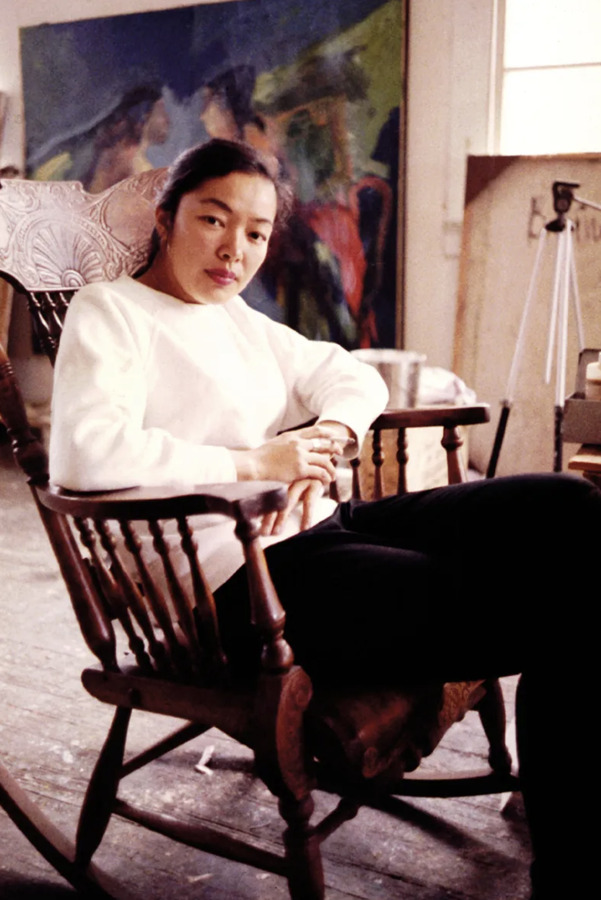 Bernice BingBernice Bing, affectionately known as “Bingo,” was born on April 10, 1936 in San Francisco’s Chinatown and died of cancer in August of 1998. Bing’s early life was filled with hardships she was forced to navigate. Her father died in jail and her mother died of a heart ailment when Bing was only five. Bing was sent to the Ming Quong orphanage in California and bounced around Caucasian foster homes. From time to time, she would stay with her grandmother who still practiced Chinese traditions. Bing was torn between her Chinese and American identities. Since the Chinese Exclusion act was still in effect during this time, Bing faced discrimination. Bing began creating art as early as high school, where she won awards for her sculpture, silkscreens, and watercolors. She also received a full scholarship from the Latham Foundation to attend the California College of the Arts in Oakland. This decision put her into contact with the Zen Buddhist painter Saburo Hasegawa whose Buddhist philosophy influenced Bing’s later work. (Landauer 2019, 8). Bing transferred to the San Francisco Art Institute and she worked as a waitress to fund her studies. She became active in San Francisco’s queer community where she was described as “a hard-drinking dancer” and “fiery presence.” (Landauer 2019, 9). Bing uses her sense of sexual and cultural identities as well as her upbringing as inspiration for her paintings. Bing worked mostly in oil and was known for her abstract expressionist style. In her painting titled, Burney Falls (1980), Bing depicts the Northern California waterfall in a more abstract manner. Bing uses vibrant greens and blues to capture the beauty of nature. Her abstract style helps to catch the movement of the waterfall rather than rendering every rock she sees. This over 8 foot tall painting is confrontational due to the sheer amount of space the viewer is forced to engage with. Her process of creating paintings is important because she had to use her whole body to paint her canvases. Her paintings were embodied works that convey the forces of nature while also allowing her to express her emotions. Bernice Bing incorporates her background of Chinese landscape paintings and merges it with self expression to create paintings that speak to the duality of her identity.
-
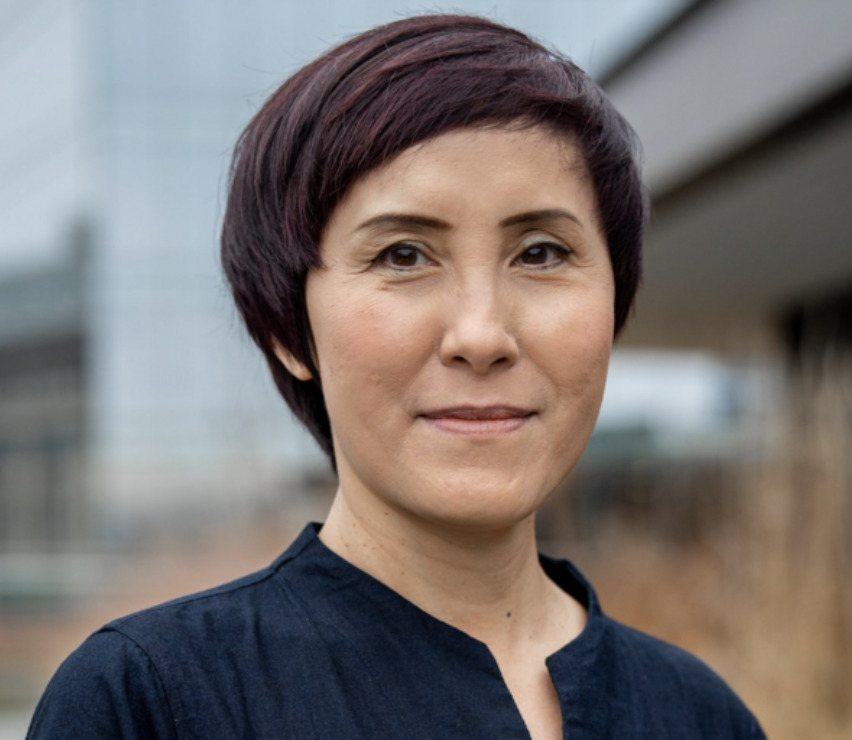 Tiffany ChungTiffany Chung is a Vietnamese-American artist born in 1969 in Da Nang, Vietnam. Her work focuses on conflict, displacement, and memory. She immigrated to the United States due to the war in Vietnam (1955-1975). After she immigrated, she ended up attending the University of California and receiving her MFA. She would end up being known for her cartographic drawings, archival research, and installations that examine the lasting effects of war and forced migration. This was a passion she gained from her past experiences. (Tyler Rollins Fine Art) Chung utilizes a multitude of media, including drawings, videos, and performances. However, one of her primary forms of media is map-making. Her cartographic works are created through research and hard work. She uses them to show fractured geographies, climate change, and colonialism. She usually goes against the familiar and dominant narratives that exist and wants to convey multiple perspectives through a factual lens. (Tyler Rollins Fine Art) One of her notable works is “reconstructing an exodus history: boat trajectories from Vietnam and flight routes from refugee camps and of ODP cases” (2020). In this piece, which is a large world map embroidered on fabric, Chung uses stitched lines to show the journeys of people who fled Vietnam. The colors in the work contrast to show the trauma that was present. The vibrant red highlights the complexity of these refugees' travels. The scale and quality of the art truly draw in the viewer and invite them to engage with each path. Overall, through her intricate visuals, Tiffany Chung takes data and memory and transforms narratives. Her embroidery shows a deep connection to her work through the physical challenge of the embroidery. Her work honors the resilience of people who are displaced but also challenges the viewers of her work to face the lingering consequences of migration and war. (Smithsonian American Art Museum)
-
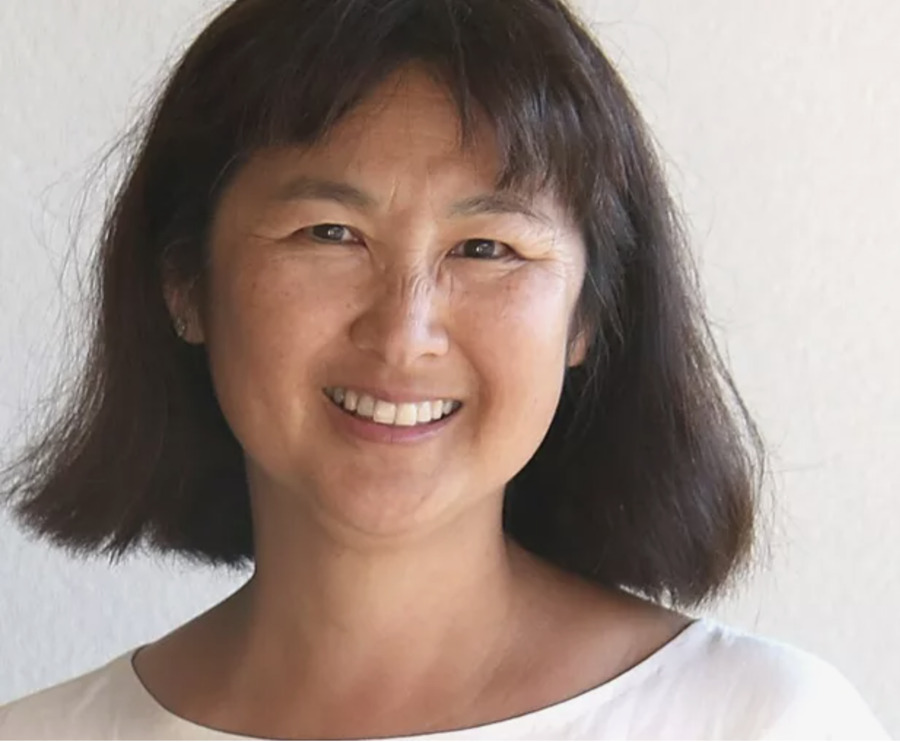 Maya LinMaya Lin is a Chinese American artist, architect, and designer born in Athens, Ohio, in 1959. She is best known for public memorials and environmentally-centric installations. Her parents were a ceramist and a poet who were both Chinese immigrants. Her upbringing exposed her to an intellectually stimulating childhood. She got her bachelor's and master's in architecture from Yale University. Her career really took off when, at the age of 21, her memorial design was chosen to become the Vietnam Veterans Memorial. (Senie) Most of Lin’s work examines the memory, as well as the intersection between both natural and constructed environments. She often works with a physical medium that includes stone, earth, glass, and other recycled materials. She likes to utilize these things because she wants to highlight the fragility of the environment around us. Lin likes to use minimalistic aesthetics to try to invoke a more emotional response from the people who are viewing her work. (Senie) A prime example of this minimalistic approach is her “Vietnam Veterans Memorial”(1982). Her work there has two massive black granite walls with the names of 58,000 soldiers who either went missing or died. The granite is polished to a reflective surface, which creates an effect that allows the viewers to see their own reflections within the names. This is powerful because while you reflect on this, it brings out the fact that if you were alive during this, it could have been you or a loved one who passed. The descending V-shape of the memorial creates a space of contemplation and grief that sits below ground level. The monument takes a controversial political conflict and makes use of it by transforming it into a place of mourning and reflection. Maya Lin’s work bridges the gap between history and remembrance through her powerful yet simple designs. She invites people to reflect in public spaces that transform into spectacular and heartfelt experiences. (Bell)
-
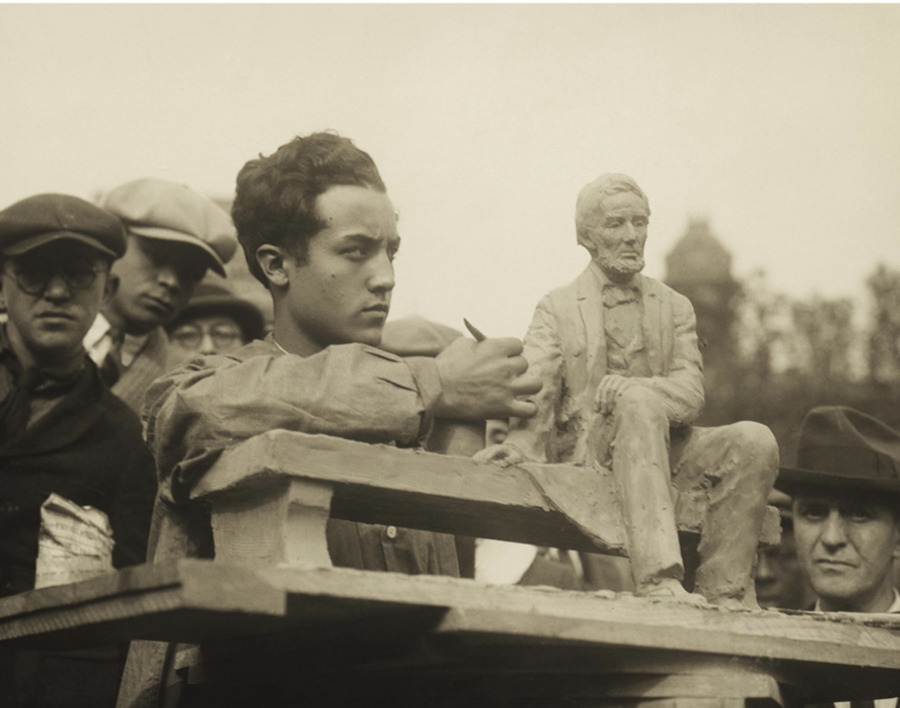 Isamu NoguchiBorn in 1904 to a Japanese father and an American mother, Isamu Noguchi became a world renowned sculptor (The Isamu Noguchi Foundation and Garden Museum). His pieces are influenced by his extensive travels around the world throughout his lifetime (The Isamu Noguchi Foundation and Garden Museum). Noguchi earned a Fellowship early on in his career that would send him to Paris where he would develop a love for modernism and abstractism that would be reflected in his art throughout his career (The Isamu Noguchi Foundation and Garden Museum). After this fellowship, he traveled to places like India, Japan, NYC and Mexico City to work alongside sculpture masters before World War II (CityDays). With the U.S. incarceration of Japanese Americans after the bombing of Pearl Harbor, Noguchi took up activism, co-founding the activist organization Nisei Writers and Artists Mobilization for Democracy (The Isamu Noguchi Foundation and Garden Museum). During this time, he voluntarily entered the Colorado River Relocation Center in Arizona for six months (The Isamu Noguchi Foundation and Garden Museum). Noguchi is an internationally recognized artist. Early in his art career, his work could be seen in Paris galleries, and later he exhibited in countries such as the United States and Japan. Today, his art can be found in collections all over the world (The Guggenheim Museums and Foundation). He received many accolades throughout his lifetime, including the National Medal of Arts presented to him by President Ronald Reagan (The Isamu Noguchi Foundation and Garden Museum). One of his most famous works is on display in the financial district of New York City. The Red Cube is a freestanding sculpture that defies understanding to the eye (The Isamu Noguchi Foundation and Garden Museum). It is 24 feet tall and stands out strikingly against the bland backdrop of the city (CityDays). The structure itself echoes the Japanese aesthetic of disrupting a setting with its angles breaking up the background of the surrounding buildings (Isamu Noguchi’s Red Cube Sculpture). To Noguchi, it symbolized “change, like a rolling dice” (CityDays). The way it balances on a single corner creates a striking contrast, possibly reflecting the suspense and danger linked to rolling dice and the unpredictability of change.
-
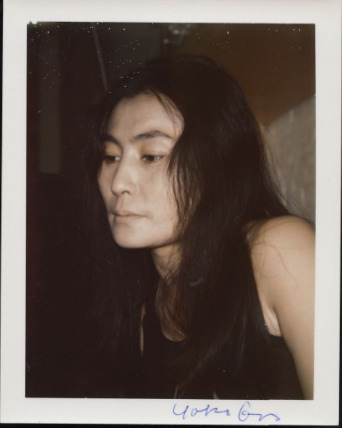 Yoko OnoIn the early 20th century, it was difficult for Japanese women to gain recognition as artists in the West. Yoko Ono, however, emerged as a rare exception and achieved international acclaim through her bold political activism, multidisciplinary approach to artmaking, and groundbreaking collaborations with her husband, John Lennon, which will be discussed below (MoMA). As Simon Stow observes, Ono has often been regarded as: "a bridge between the United States and Japan" (Stow 235, 2023). Born in Tokyo in 1933 to an aristocratic family, Ono was raised at the crossroads of traditional Japanese culture, Western influence, and emerging popular culture (Stow 2023). Ono was a part of a generation often referred to as "MacArthur's children," - a reference to General Douglas MacArthur, who oversaw the U.S. occupation of Japan after World War II (Stow 236, 2023). Their lives were profoundly shaped by American influence during that postwar period (Stow 2023). Ono’s parents were musicians, and their artistic talents had a lasting impact on her creative development. In the mid-1950s, Ono moved to New York to pursue higher education and enrolled at Sarah Lawrence College (MoMA). Throughout the following decade, she traveled to Tokyo, London, and New York, which were experiences that would prove pivotal in shaping her conceptual art practice and global perspective. Ono is perhaps best known for her "Bed-In" performance pieces, created in collaboration with John Lennon, which blurred the boundaries between art and activism by transforming the intimacy of their bedroom into a public platform for anti-war protest against the conflict in Vietnam (Donelson 2006). The couple staged two of these performances during their honeymoon. The first occurred in Amsterdam and the second in Montreal, where they invited the media into their hotel suites to promote peace (Crossan 2018). During the Montreal Bed-In, Lennon recorded the now-famous song "Give Peace a Chance," turning the space into a site of performance and political messaging (Crossan 2018). Their suite became a cultural hotspot, drawing visits from celebrities, activists, and journalists alike. Taking a look at the image above which is a photograph titled John Lennon and Yoko Ono Bed In 1969, Lennon and Ono are pictured sitting in bed, surrounded by flowers, a guitar, and two hand-written signs above their heads that say "Hair Peace" and "Bed Peace." The scene is set in a hotel room filled with natural light and objects typically associated with peace and domesticity, transforming a private, everyday space into a site of powerful protest. The bed, usually a symbol of rest and intimacy, becomes a stage for global resistance, merging the personal with the political. The presence of the guitar and flowers further emphasizes themes of non-violence, beauty, and the transformative power of art. Through this intimate yet public performance, Lennon and Ono reframe the boundaries of protest, advocating for peace in a radically unconventional and deeply symbolic way. Ono’s work ultimately challenged traditional boundaries in American conceptual art, introducing performance as a radical tool for political and personal expression.
-
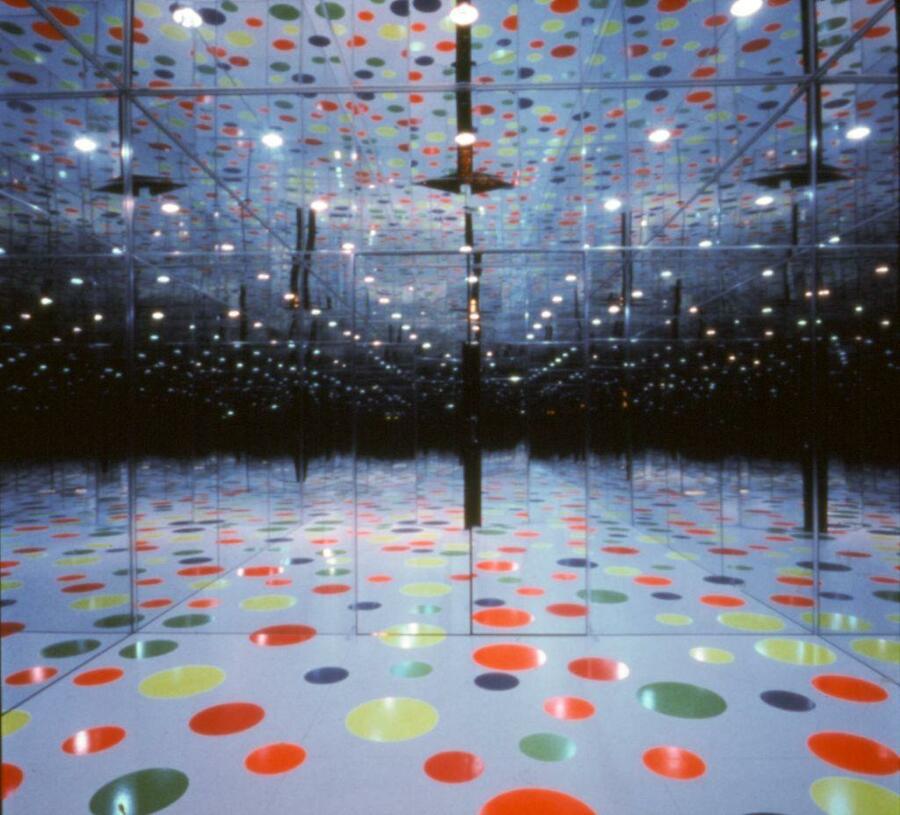 Yayoi KusamaYayoi Kusama was born on March 22, 1929, in the city of Matsumoto in Japan's Chubu region. Her early life was marked by difficulty, shaped in part by a condition that caused severe anxiety and hallucinations - an experience that would deeply influence her artistic vision. From a young age, Kusama turned to art as a coping mechanism, using it to escape the overwhelming realities of her mind (Hoptman 1998, 7). One of her most recognizable motifs, the polka dot, emerged early and became a recurring visual theme throughout her career. By age 20, she began her studies at the Kyoto Municipal School of Arts and Crafts, where she focused on Japanese-style painting and graduated in 1949 (Doryun &Yoshitake 2023). Kusama is exceptionally gifted and immersed herself in various artistic disciplines, including painting, sculpture, fashion, installation, performance, and poetry, among others (Morgan 2018). Her versatility and creative drive earned her recognition in Japanese galleries. However, she moved to New York in 1958 on a student visa and, by 1963, was granted permanent residency (Doryun &Yoshitake 2023). In New York, Kusama quickly established herself as a pioneering figure in the avant-garde scene, using her distinctive artistic voice to stage performances and exhibitions similar to those of Andy Warhol's happenings (Kusama 2021). Reflecting on the broader significance of her work, Chong Doryun and Mika Yoshitake state in their book Yayoi Kusama: 1945 to Now: “Kusama’s oeuvre has pioneered cultural interactions, predicted the rise in the popularity of contemporary art from Asia in the increasingly globalized art world, and even led Japan’s cultural standing in the world” (Doryun & Yoshitake 2023, 260). One of her notable works is Infinity Dots Mirrored Room, created in 1996 (Morgan 2018). For Kusama, the act of creating art was inseparable from the act of living. As curator Yuko Hasegawa explains, "The obsessive act of materialising through manual labour the fear she experienced in her hallucinations - a world overrun by polka dots and nets - enabled her to preserve her psychological balance and maintain a relationship with the world. The dots and nets she wove everywhere were part of an attempt to establish a 'distance' between herself and the world by creating a 'surface' between the two" (Hasegawa 2006, 47). Taking a look at her work Infinity Dots Mirrored Room, she immerses the viewer in a dreamlike, almost hallucinatory environment. The space is entirely enveloped by mirrored ceilings and walls, while the floor is scattered with vibrant polka dots in varying sizes (Kusama 1996). Within this disorienting and reflective landscape, the viewer becomes "an integral part of the space," invited to question the artwork's purpose in relation to the self and to contemplate the boundaries between reality and perception. Kusama's work challenges conventional modes of viewing and aligns with nearly every major artistic movement of her time, underscoring her significance within the broader trajectory of contemporary art (Hoptman 1998).
-
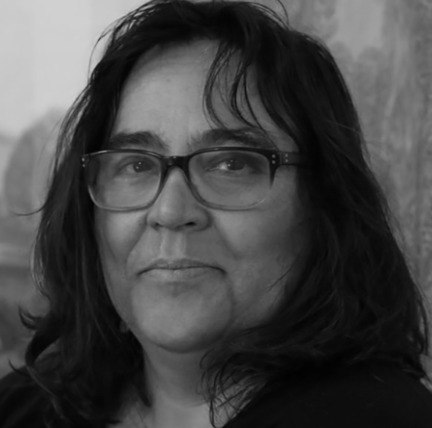 Kim AnnoKim Anno was born in Los Angeles, California in 1958. Raised by Japanese-Polish and Native American-Irish parents who had assimilated, Anno was in search of a connection to her roots and had a curiosity to uncover more knowledge about the experiences of her family (“FORM” 2020). Growing up, witnessing the social unrest and activism that her parents took part in greatly influenced her and her work. Her father’s family was affected by Executive Order 9066 and had to evacuate to the camps created in the U.S. during World War II. Anno and her family were civil rights activists, as Anno recounts going to see Martin Luther King (Kina and Jan Christian Bernabe 2017). Her works of painting, photography, and film all reflect her experiences as an Asian American and queer activist. Anno first studied art at the Feminist Studio Workshop in LA. She went on to study at the San Francisco Institute of Art. Alongside creating art, she is a professor at the California College of Arts and Crafts (“Biography - KIM ANNO” 2011). At the beginning of her career, Anno created mostly abstract art. Over time she focused more on photography and creating short films that brought awareness to topics like the climate crisis (“FORM” 2020). To address how we interact with the world around us, Anno produced a collection of works named “The Grand Tour” in 2014. “The Grand Tour” includes photographs of Western landscapes and cities. The photographs use postmodern aesthetics as Anno disrupts the black and white photographs with layers of paint. These distorted images are meant to be representative of society's need to domesticate nature before we appreciate it. Landscapes like Niagara Falls are commercialized and nature is negatively affected through this process. But the land is kept looking pristine as we do not wish to appreciate non-curated landscapes (Kina and Jan Christian Bernabe 2017). The artwork shown above is part of “The Grand Tour” and is named “Niagara.” Made from oil on metal, Anno describes the layering of materials as a sort of colonization. In this collection of works, the photographs of Western landscapes are disrupted by the addition of her paint. She describes this as symbolic of taking something Western, and using it for her own purposes as an Asian American. Anno, like tourists and travelers to the West, also has a desire to interact with these landscapes and does so through her artwork. In this way, Anno’s collection of works reflect the multiple experiences of her life and her multifaceted identity (Kina and Jan Christian Bernabe 2017). Bibliography: “FORM.” 2020. FORM. May 28, 2020. https://www.dukeform.co/all-content/apahm-asian-american-artists?rq=kim%20anno. “Biography - KIM ANNO.” 2011. KIM ANNO -. January 6, 2011. https://www.kimanno.com/biography/. Kina, Laura, and Jan Christian Bernabe. 2017. Queering Contemporary Asian American Art. Seattle: University Of Washington Press.
-
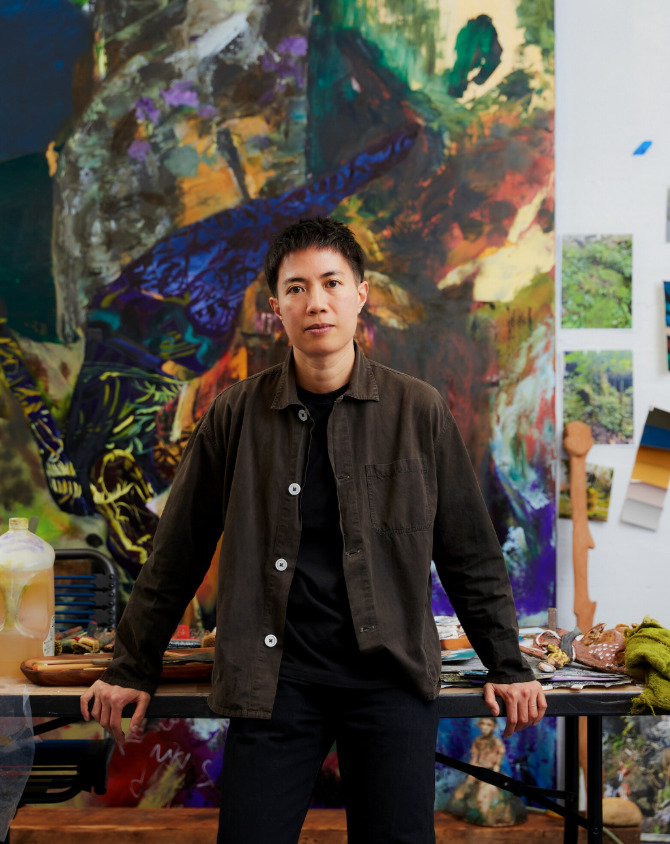 Maia Cruz PalileoMaia Cruz Palileo was born in 1979 in Chicago, Illinois. Their parents immigrated to the US from the Philippines and Palileo’s childhood included plentiful stories from family of their homeland and immigration experience. After earning a BA in Studio Art from Mount Holyoke College, Palileo went on to receive an MFA in Sculpture from Brooklyn College (“Maia Cruz Palileo - Biography” 2025). In 2017, Palileo spent time at the Newberry Library in Chicago researching archives pertaining to Filipino history. In particular, Dean C. Worcester’s photographic archive stood out the most. An opponent of Philippine independence and fervid colonialist, Worcester captured his Filipino subjects in dehumanizing manners in an effort to spread colonialist ideas regarding the Philippine-American War (Deland 2019) . In their work, Palileo aims to release the Filipino subjects of the archive from this colonial lens and place them in new unstructured environments where they are not categorized or subjected to degradation. The dream-like quality of their pieces paints the subjects’ stories with more depth than previously allowed (“Maia Cruz Palileo” 2022). Palileo’s 2019 exhibition “All The While I Thought You Had Received This,” was inspired by this aim alongside the memories of their family. The artwork shown above, “They Dreamed in English,” was included in this exhibition and was created using oil on canvas. We see a classroom in the painting with benches on one side. There are reflections of people on the floor and silhouettes on the blackboard, but we do not see them sitting on the benches. This piece is in reference to the colonization technique of weaponizing education to assimilate children (Deland 2019). The technique of layering colorful paints is reminiscent of the memories that are being portrayed, each leaving a strong mark on the canvas and building on top of each other. Palileo’s work takes on a physical embodiment of the combination of stories from the colonizer context and those passed down by Filipinos to their families about their grueling experiences (“Maia Cruz Palileo - Artist - David Kordansky Gallery” 2023). Bibliography: “Maia Cruz Palileo - Biography.” 2025. Moniquemeloche. 2025. https://www.moniquemeloche.com/artists/39-maia-cruz-palileo/biography/. DeLand, Lauren. 2019. “Maia Cruz Palileo.” Art in America 107 (5): 102–3. https://research.ebsco.com/linkprocessor/plink?id=800ec7e6-fc94-30f5-a10b-7bd2d43a29fb. “Maia Cruz Palileo.” 2022. Maia Cruz Palileo. 2022. https://www.maiacruzpalileo.com/about. “Maia Cruz Palileo - Artist - David Kordansky Gallery.” 2023. Davidkordanskygallery.com. 2023. https://www.davidkordanskygallery.com/artist/maia-cruz-palileo.
-
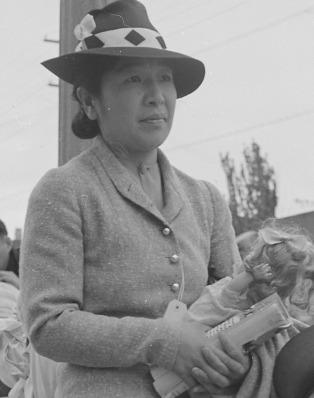 Hisako HibiHisako Shimizu was a Japanese American painter who was born in Torihama in 1907 and moved to the United States in 1920. In 1925, she remained in San Francisco while her family moved back to Japan (Lee 2023). After her high school graduation, she enrolled at the California School of Arts in 1926, and was trained by Gottardo Piazzoni, a renowned landscape painter. He was known for taking his students outside to paint. While at school, she met Matsusaburo Hibi, whom she ended up marrying, thus becoming Hisako Hibi. They settled in Hayward, California and had two children. She was in the Bay Area’s art scene throughout the 1930s, showing her work at exhibitions such as the 1939 Golden Gate International Exhibition, and she was one of only three Japanese American women to be featured (Lee 2023). In 1942, she and her family were moved to the Tanforan Assembly Center to be interned along with 125,000 other Japanese Americans in reaction to the bombing of Pearl Harbor. They were then moved to the Topaz War Relocation Center in Utah, and Hisako described their living quarters as “horse stables… in humiliating conditions” (Lee 2023). While in internment camps, Hisako and her husband continued to teach art lessons and paint on their own, and her works during this period became some of her most well-known. They depict the terrible conditions of the barracks alongside the daily responsibilities of women and mothers in the workforce. She primarily worked with oil painting as her medium, but also created watercolor works and did some printmaking, especially during her internment. Apart from depicting life in the barracks, she made still lifes and landscapes. One of her more powerful paintings, Topaz, Utah (1942), captures the harsh reality of life in the internment camps. The scene shows a row of wooden barracks set against a bleak and empty desert. There is a dark and cloudy sky, and there is a stillness to the painting that feels heavy, such as if time stopped. Hibi used these colors and landscape to reflect the isolation felt when stuck in these camps. The mood she creates, especially through the dark tones and empty space, makes it clear that this was a place of confinement and loss (Discover Nikkei 1942). After the family was released from Topaz, they moved to New York City and Hisako gained her citizenship in 1953 through the Immigration and Nationality Act. She moved back to San Francisco following that and was there until her death in 1991. She was an active figure in the Bay Area, including being a member of the San Francisco Women Artists and the Asian American Women Artists Association (Lee 2023).
-
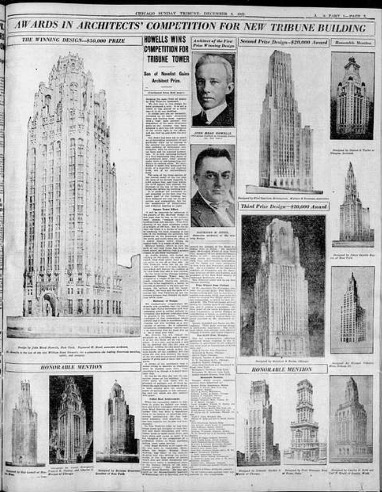 Richard Yoshijiro MineRichard Yoshijiro Mine was born in 1894 in the town of Nagahama, on the coast of Japan. He sadly passed away 1981. In 1919, he immigrated to the United States and attended the School of Architecture at the University of Illinois at Urbana-Champaign (Art Institute of Chicago, 2024). In 1922, following his graduation, he was recognized by the Chicago Tribune for his design entry regarding a new office building for the newspaper. Although his was not the winning design, of the more than 250 entrants, he was the only one of Asian descent to be recognized, which can be seen in at the bottom left of the newspaper image above. This competition has been deemed as the most well-known contest in Chicago’s architectural history, and was later recognized as an important international platform for expressing views on the aesthetic of tall office buildings. His drawing, show below, appears to be Gothic-inspired, and the medium was ink, graphite, and wash on paper (Art Institute of Chicago, 2024). Compared to the winning design that was built, his version was much simpler and more focused on clean lines and balance. This simpler style might show his personal design taste and also the challenges he faced as an Asian- American architect during that time. His artwork mostly consisted of this style, as it often consisted of using ink, graphite, and wash as a medium, along with sketches and landscape designs. That same year he married his wife, Ellen, and subsequently had two children, Richard and Elizabeth. In 1941, following the bombing attack at Pearl Harbor, Mine was interrogated by the FBI and was fired from his job (JSAC Legacy Center, 2024). He had been working in the Buick division of General Motors in Flint, Michigan. He then relocated to Chicago, and in 1945, he submitted a design for a modern and affordable home to a national competition that aimed to spur construction and home ownership post-World War II. While in Chicago, he worked for Holabird and Root, an architecture firm, and then at Scmidt, Garden and Erickson. In 1952, he finally became an American citizen following the implementation of the Immigration and Nationality Act, which allowed people with Asian heritage and descent to gain citizenship (Art Institute of Chicago, 2024). After retiring from his work at the Kraft Food Company, his architectural career came to an end. He moved to Colorado in 1971, where he lived until he passed away.
-
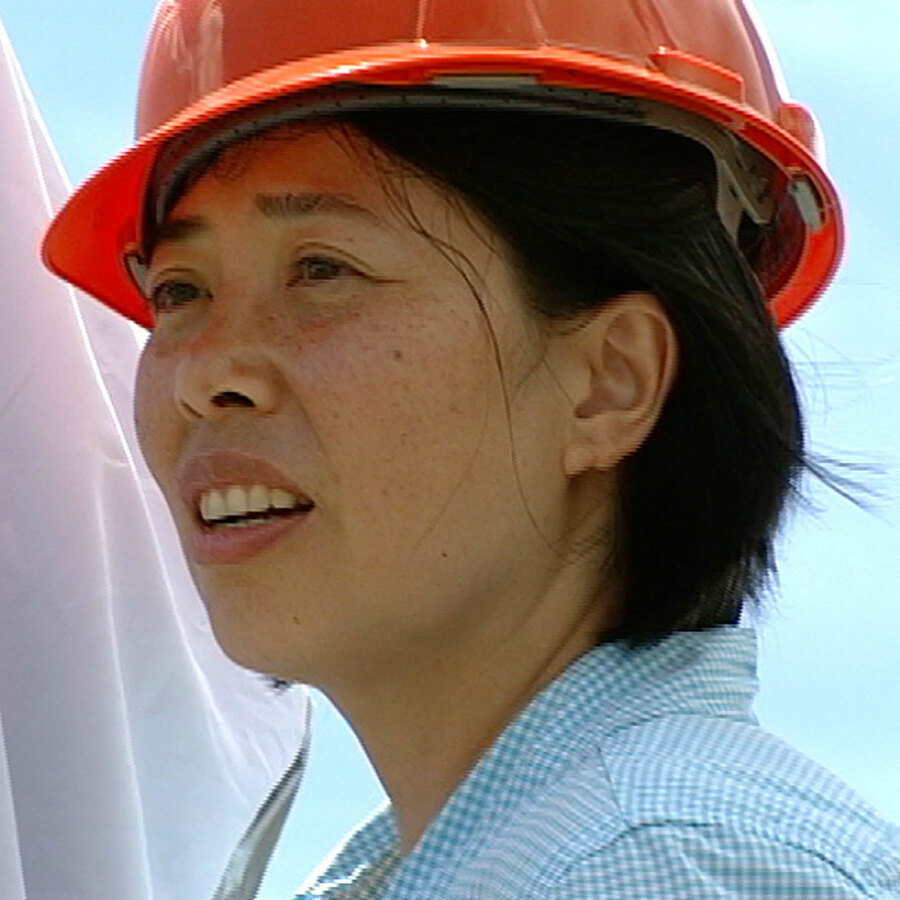 An-My LêAn-My Le was born in 1960 in Saigon Vietnam. Le grew up in the worn-torn Vietnam between the North Vietnamese Communists and the American allies in South Vietnam. As a teenager, she was evacuated in 1975 through the help of the American military in Southeast Asia. After ending up in California, she studied at Stanford, then attended Yale to get an art degree. Although she didn’t have a specific mentor, her life experiences in particular with the war in Vietnam Vietnam War had huge impacts on her work. She spent almost a decade photographing US Navy’s missions across 20 countries like Senegal, Indonesia, and even her home country of Vietnam. (Wikipedia, Art Institute Chicago) An-My Lê works in a distinct category of art—photography enhanced through edits and subtle touches—but her images deliver a clear message: America projects power even outside of combat. Combining her childhood experience getting rescued by American soldiers in post-war Vietnam, her work highlights the humanitarian, collaborative, and critical missions undertaken by the nation’s elite forces to protect democracy at home and abroad. Her photographs include portraits of sailors in training, in formal dress, in combat-ready stances, and sometimes solitary images of American weaponry poised for action. Sometimes, our country’s military isn’t all about fighting: it’s about uniting people together, helping those in need, and her works blur the lines between documentary and conceptual photography through the neutral, contemplative perspective. These mundane portraits emphasize the enduring significance of the U.S. military and evoke a sense of patriotism for Americans everywhere. (An-My Lê, Art Institute Chicago) Over her 10-year journey documenting the U.S. in non-combat zones, An-My Lê photographed deployments to Iraq, rescue missions in post-earthquake Haiti, training exercises with Vietnam, and science missions in the Arctic. From her book Events Ashore, I selected Ship Divers, USS New Hampshire, Arctic Seas, 2011, featured on her website. The photo has a vintage feel, with high contrast enhancing its dramatic tone. While the submarine is the largest object, the eye is drawn to the two soldiers standing atop it—an imposing and powerful image that, despite the scientific nature of the mission, conveys force and strength. For viewers, it represents the pride and resilience of the American Navy. From the viewer’s angle with soldiers’ spacing, the photographs are heavy and intimidating, and is a display of force despite this being a scientific mission for the US Navy in the Arctic. To many observers, including myself, it conveys a piercing sense of pride, toughness, and strength to all who see it- even fear to others. (An-My Le)
-
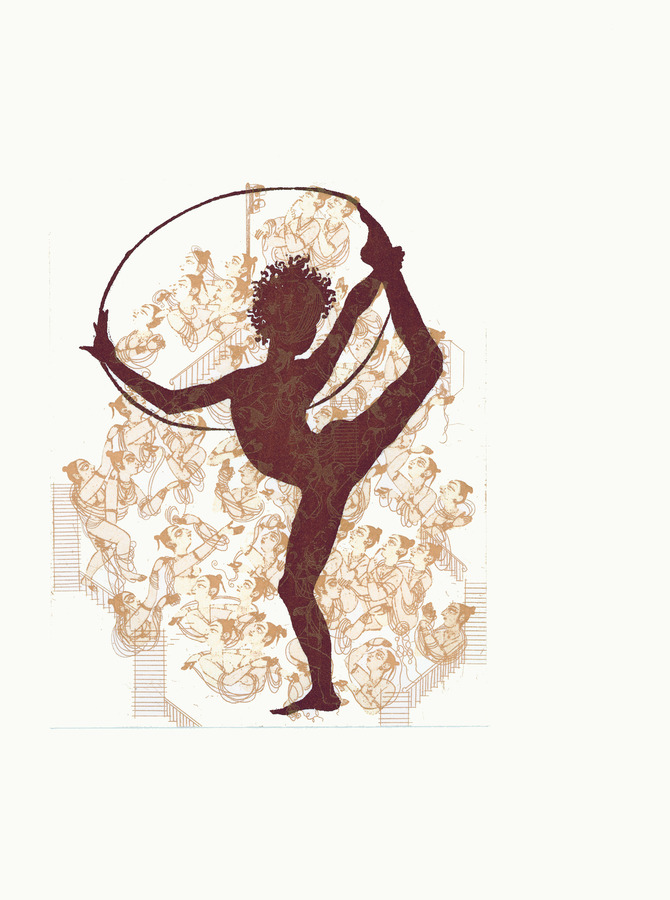 Shahzia SikanderShahzia Sikander is a Pakistani-American artist born in 1969. (ARTnews) Most of Shahzia Sikander’s work is deeply influenced by her upbringing in Pakistan and rooted in Indo-Persian cultural themes, which she utilizes to make statements about women and gender in the past and present. While studying at the National College of Arts in Lahore, she learned Indo-Persian miniature painting under renowned miniaturist Bashir Ahmad (Shahzia Sikander). Her art is also shaped by political themes and global advocacy for women’s rights. Her breakthrough piece, The Scroll, was inspired by 1980s Pakistani activists, poets, and artists. It is a 5-foot watercolor painting that draws from Chinese scroll traditions and Mughal imagery to narrate an epic visual poem about womanhood in the past (The Morgan, The Scroll). Instead of producing fixed, linear narratives, Sikander uses her art to explore cultural differences with layered imagery and rich metaphors—within the East itself, and between the East and West—emphasizing how nuanced and overlapping these distinctions often are, sometimes within the same region. (Shahzia Sikander; Bhabha, 148). Sikander is a well-known artist around the world. She won a MacArthur Fellowship in 2006, U.S. State Department’s Medal of Art in 2012 and, in 2023, the Pollock Prize for Creativity (ARTnews). Like her pursuits with miniature paintings, one of her contributions to American art was her piece called Pleasure Pillars (2001) that began as a work to celebrate cross-cultural female “sensuality” with images of Roman goddesses and Southeast Asian celestial dancers- but in post-war 9/11, as America invaded Iraq, Sikander added a jet fighter to protest against the former American narrative- which Sikander sees as a colonialist American narrative- to save Muslim women from Muslim terrorists in Iraq (TheMorgan; Pleasure Pillars) The artwork I chose to discuss is Traffic Jam from No Parking Anytime, a color photogravure created in 2001 from a larger portfolio of nine prints. The piece features soft, nude tones with a central rectangle showing a dancing figure in an elegant pose, set within what appears to be a very forte silhouette of a dancer dancing with a hoop and South-Asian miniature figures posing in the middle of a dance move, all gazing up followed by the small staircases behind displaying transition. The image evokes ambiguity—possibly contrasting peace with chaos—and shows a sense of spirit with the unknown. Sikander describes this work as reflecting themes of displacement and re-rooting, marking a move away from her teachers’ influence (National Gallery of Art; Bhabha, 148).
-
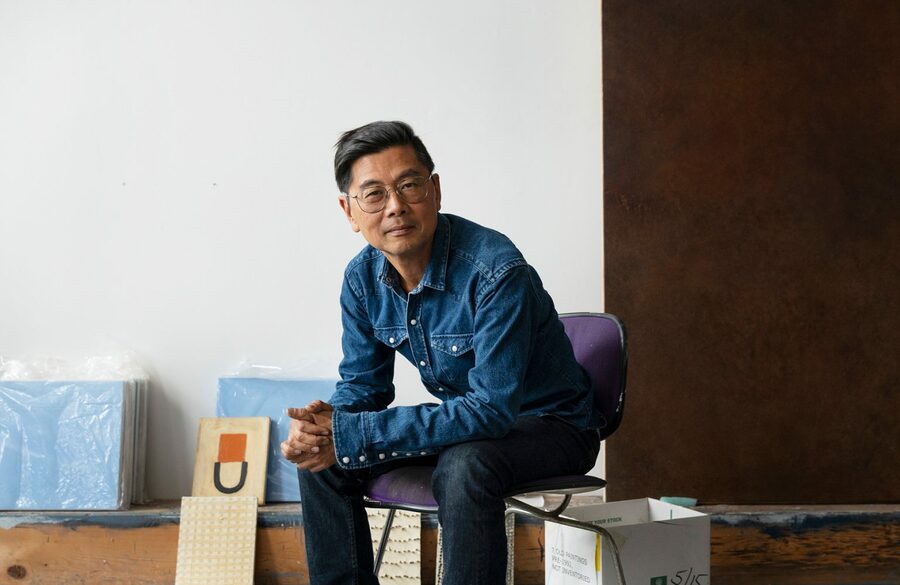 Byron KimByron Kim was born in 1961 in La Jolla, California and is a Korean-American artist who is known for his abstract works that touch on themes such as race, identity, and the human condition. Kim earned his BA from Yale University in 1983 and attended the Skowhegan School of Painting and Sculpture in 1986 (James Cohan, n.d.). Kim usually works in an area that can be named as abstract sublime where it sits between abstraction and representation, as well as conceptualism and pure painting (Guggenheim Foundation, n.d.). One of Byron’s works, Synecdoche (1991-present), presents a vast series of small 10 x 8-inch monochrome panels that are each painted to match the range of human skin tones. What Kim did to produce this work is he would invite a person to sit with him for about 15-20 minutes. Kim would examine the subject’s skin before blending a mixture of paint colors to replicate the exact skin shade (Whitney Museum of Art, n.d.). The work’s title, Synecdoche, references a figure of speech where a part represents a whole, and Kim is utilizing word play on how skin color and the canvas color together can oversimplify the identity of people in abstract forms. Part of the collection of the Whitney Museum of Art, the work presents a collective portrait that speaks towards unity and diversity through panels ordered alphabetically based on the participant’s surnames, making it an abstract group portrait (Whitney Museum of Art, n.d.). This work and Kim’s other related works present the issues of representation both visually and socially through abstraction and color. Overall, Kim’s innovative usage of abstraction in addressing social issues has significantly influenced American art through his abstract works. Synecdoche continues to be a powerful exposition on representation, unity, and abstract form to present further discussions on race and the perception of identity in today’s contemporary culture. Bibliography: James Cohan. n.d. “Byron Kim.” James Cohan. https://www.jamescohan.com/artists/byron-kim. Guggenheim Foundation. n.d. “Meet Our Fellows - Guggenheim Fellowship — Guggenheim Fellowships: Supporting Artists, Scholars, & Scientists.” Accessed April 20, 2025. https://www.gf.org/fellows. Whitney Museum of Art. n.d. “Byron Kim, Synecdoche.” Whitney Museum of Art. https://whitney.org/collection/works/12073.
-
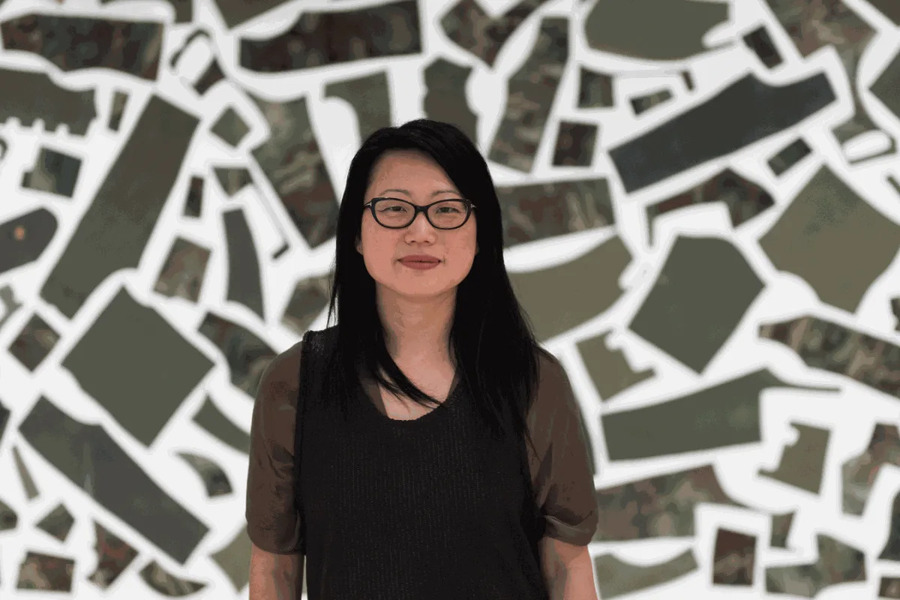 Jean ShinJean Shin was born in 1971 in Seoul, South Korea, and immigrated to the United States at the age six, and grew up in Maryland. She moved to New York to pursue studies in art. She attended the Skowhegan School of Painting and Sculpture and earned her BFA and MS from Pratt Institute in Brooklyn, New York (Shin, n.d.). Jean Shin’s works explore cultural identity and community through unique, innovative installations that transform discarded objects into art to convey ideas about human consumption. In Reconstructed Remnants, Shin explains, “I am attracted to certain found materials…because they embody a certain history of dysfunction, rejection, and abandonment” (Shin 2004, 11). This perspective that Shin has drives her to salvage these everyday items and create a visual narrative of urban life. One of Jean’s notable works, Chance City (2001-2009), is a fragile cityscape that was built with over 200,000 discarded lottery tickets, and this symbolizes the fleeting nature of hope that is connected to gambling (Asia Art Archive 2010). With the installed work being stacked without any extra support than the cards themselves, it presents the lost dreams and desperation of people playing these lottery tickets for a chance to win big, and perhaps the notion that fortunes can rise, but more likely fall in an instant. The collected cards are constructed as landscapes that resemble a vast metropolis where people of the lower class reside. It presents how people who play these tickets are confined in a building full of losing tickets as they continue to be stuck in their economic status (Shin 2004, 21). Shin describes the work as “an anonymous monument of lost hopes and dreams”, further highlighting the collective despair that is embedded within the discarded tickets (Shin 2004, 21). Overall, Jean Shin’s works utilizes the everyday lost materials that people throw away or discard in their everyday lives, and she constructs installations that present stories related to those materials that tackle different social challenges and experiences. Bibliography: Asia Art Archive. 2010. “Interview with Jean Shin.” Accessed April 20, 2025. https://aaa.org.hk/en/like-a-fever/like-a-fever/interview-with-jean-shin. Shin, Jean. n.d. “Biography.” Accessed April 20, 2025. https://www.jeanshin.com/biography. Shin, Jean. 2004. Jean Shin: Reconstructed Remnants. New York: Plein Air Corp.
-
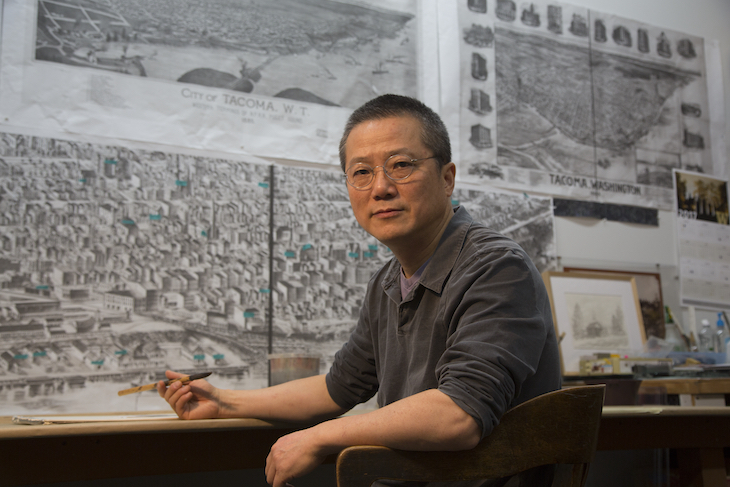 Zhi LinZhi Lin was born in 1959 in Nanjing, China. As a young boy, he witnessed the violence of the Cultural Revolution, including the persecution of his own father, who was sent to a labor camp for three years. In 1978, he entered art school in Hangzhou, China, and later received a scholarship to pursue a master’s degree in London. While abroad, he closely followed the pro-democracy student protests in Tian’anmen Square, Beijing, and was deeply shocked and dismayed by the government’s human rights violations and the tragic loss of life that forever scarred the date of June 4, 1989 in Chinese history. These early life experiences motivated Zhi Lin to create large-scale figurative works in charcoal and paint that explore human violence and cruelty, as well as the collective response—both immediate and distant—to those events (Silbergeld 2009, 217–24). The artwork referenced above is part of a project Zhi Lin worked on from 2005 to 2009. After completing a second MFA in the United States, he began teaching and is now a professor of Painting and Drawing at the University of Washington. During his drive to Washington, Zhi Lin began reflecting on the lives and experiences of some of the earliest Chinese immigrants to the U.S.—men who came to perform the grueling labor required in the mining and railroad industries (Fuchs 2019). Following these projects, many Chinese immigrants settled in small towns across the Northwest, opening restaurants and businesses. However, rising labor tensions fueled widespread anti-Chinese sentiment, often culminating in the violent expulsion of Chinese communities, as occurred in Rock Springs, Wyoming, in 1885. In this work, Zhi Lin uses Chinese ink and brush to depict a tranquil view of the town, with neat houses and tree-lined streets. Yet his textual inscription reveals a more disturbing truth: we are looking down on the town from a hilltop where Chinese miners were pursued and killed. What followed was the death of approximately 38 Chinese residents and the forced expulsion of the remaining Chinese community members in what has come to be known as the Rock Springs Massacre (Fishkin 2017, 41). Zhi Lin’s use of grayscale and layered forms evokes the unsettling sense of normalcy the town returned to after such horrifying events, drawing attention to the darker chapters of American history that are too often overlooked. Bibliography: Fishkin, Shelley Fisher. 2017. “Seeing Absence, Evoking Presence: History and the Art of Zhi LIN.” In Zhi Lin: In Search of Lost History of Chinese Migrants and the Transcontinental Railroads. Tacoma, WA: Tacoma Art Museum. Fuchs, Chris. 2019. “These artists want to draw the Chinese railroad workers back into history.” NBC News. https://www.nbcnews.com/news/asian-america/these-artists-want-draw-chinese-railroad-workers-back-history-n997181 Silbergeld, Jerome, and Dora C. Y Ching. 2009. Outside In : Chinese x American x Contemporary Art. Princeton, NJ: Princeton University Art Museum.