-
Title
-
Amanda Phingbodhipakkiya
-
Description
-
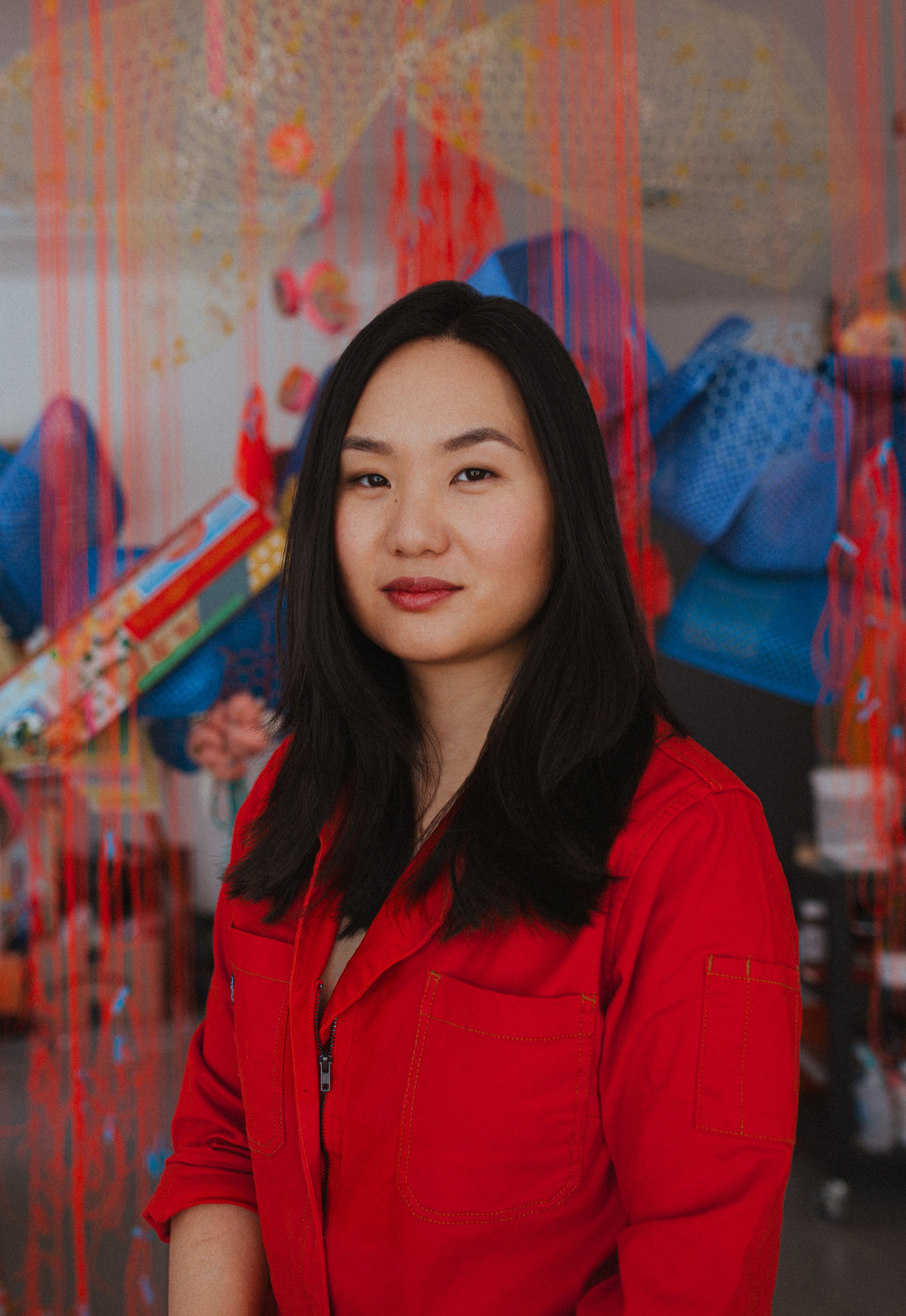
Amanda Phingbodhipakkiya, born in Atlanta, Georgia in 1988, is a Thai-Indonesian American artist known for her vibrant, socially-engaged public art. Initially trained as a neuroscientist at Columbia University in 2010, she later studied at the Rhode Island School of Design (college.columbia.edu, 2020). Her unique background in science and art fuels her work to explore the intersections of identity, science, and activism. Phingbodhipakiya’s experience as an Asian-American woman and former neuroscientist are portrayed in much of her work, which often responds to contemporary social justice issues, including topics of feminism, racial identity, and Asian-American Identity
Phingbodhipakkiya works with a range of media, including public murals, installations, digital design, and illustration. Her projects, as mentioned earlier, often address themes of racial justice, feminist empowerment, and underrepresented communities in science and society. A consistent theme in her art is the resilience and identity within marginalized groups, specifically in response to anti-Asian violence. One of her most notable contributions to American art is the I Still Believe in Our City public art campaign (2020-2021), created during her time as an artist-in-residence with the NYC Commission on Human Rights. Her mural paintings mirror the poster campaign, featuring bold, vibrant portraits that celebrate the strength and resilience of these communities.
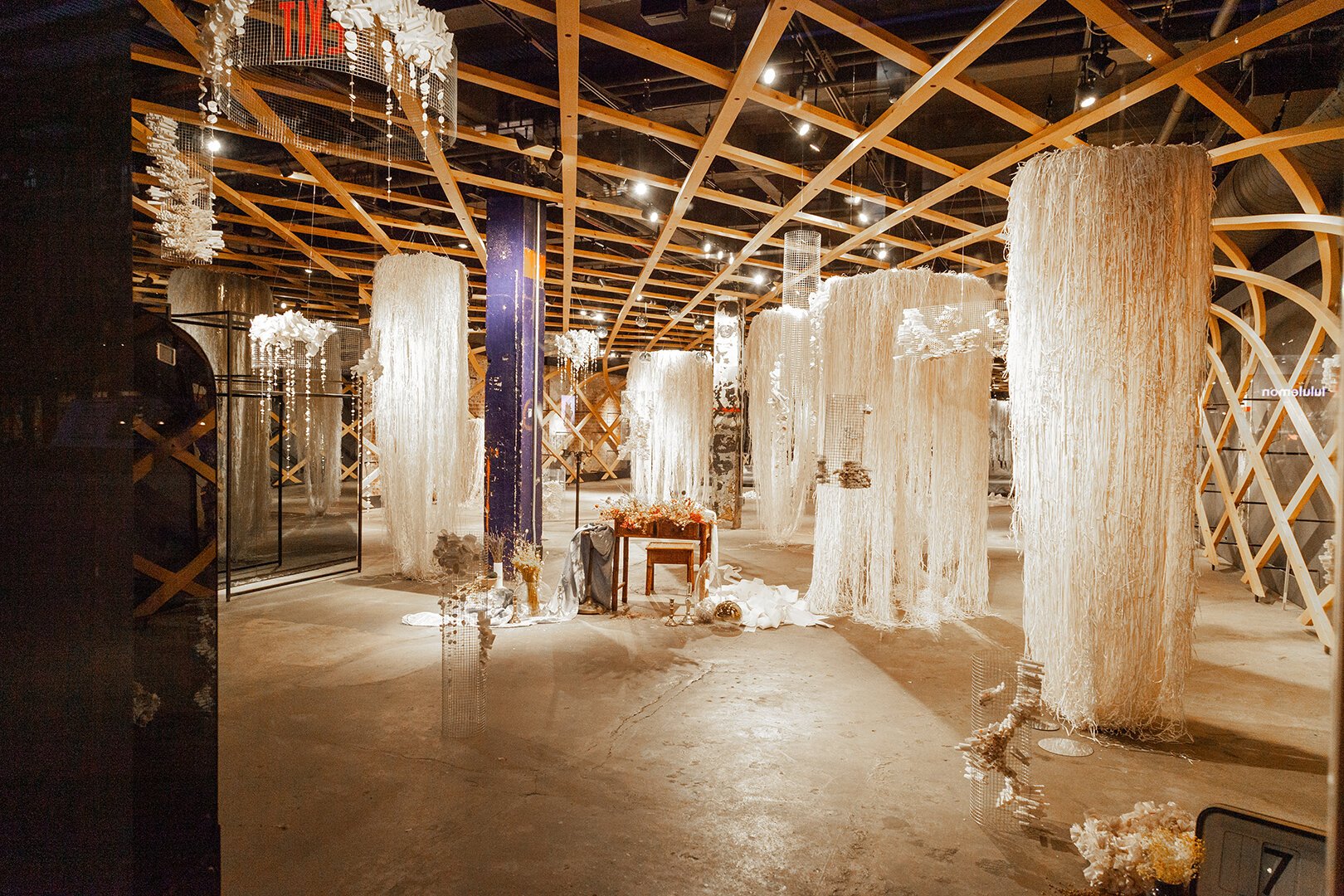
May We Know Our Own Strength (2021) is a mixed-media installation by Amanda Phingbodhipakkiya, displayed in New York City’s Meatpacking District. The installation features strips of hanged, printed receipt paper, each containing anonymous stories of survival from individuals affected by sexual assault and gender-based violence (Phingbodhipakkiya n.d.). The use of minimalist white paper with black text creates a powerful visual contrast, while the cascading strips of paper mimicking natural forms draw visitors into a reflective, immersive space. The paper strips of stories of each victim were woven together to symbolize a collective resilience of the victims (NYC Commission on Human Rights, "May We Know Our Own Strength"). This work emphasizes resilience, healing, and collective solidarity, inviting viewers to engage with these shared experiences and fostering a sense of communal strength.
-
Alternative Title
-
May We Know Our Own Strength
-
Source
-
Columbia College Today. “This Is Our Home, Too.” Columbia College Today, Winter 2020–21. Accessed April 24, 2025. http://college.columbia.edu/cct/issue/winter-2020%E2%80%9321/article/this-is-our-home-too
I Still Believe in Our City. 2021. Accessed April 24, 2025. https://www.istillbelieve.nyc/
Phingbodhipakkiya, Amanda. May We Know Our Own Strength. 2021. Accessed April 24, 2025. https://www.alonglastname.com/may-we-know-our-own-strength
-
Name
-
Young Jun Chun