-
Title
-
Ching Ho Cheng
-
Description
-
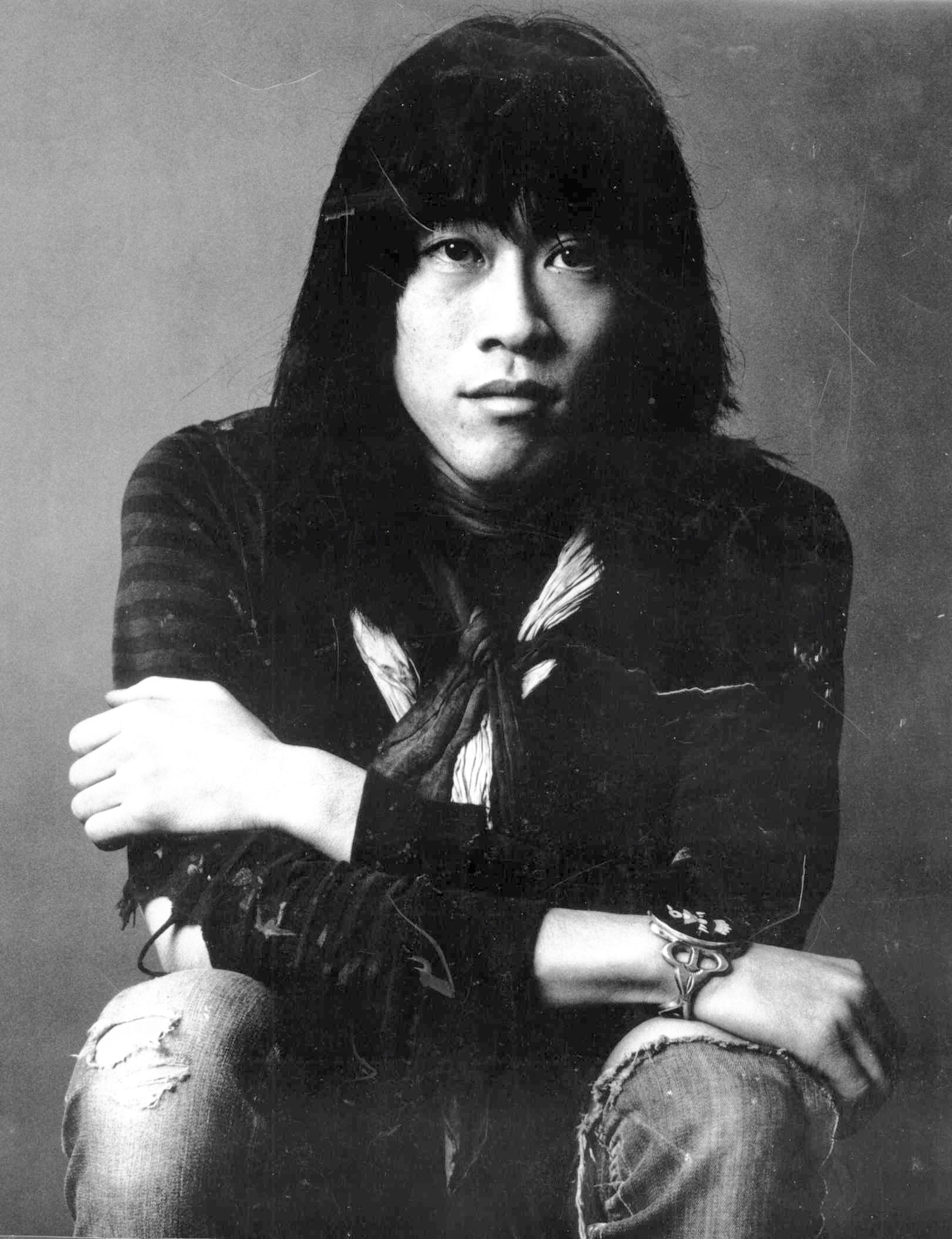
Ching Ho Cheng was born on December 26, 1946, in Havana, Cuba, to a family of Chinese diplomats. His father served as Chiang Kai-shek’s last ambassador to Cuba, where his mother was a fashion designer which as a reader we see he got some of his inspiration from his mom but also being in Cuba where he grew up, the combination. In 1951, the family relocated to New York City, where Cheng grew up in Queens. He then went on to pursue an art education at The Cooper Union School of Art from 1964 to 1968. Cheng’s work is categorized into four distinct periods: Psychedelics, Gouache, Torn Works, and the Alchemical Series, all primarily done on paper(Cheng Official Website). His art reflects the themes of transformation, spirituality, and the metaphysical, and draws inspiration from Chinese Daoism and Egyptian mythology. These disparate yet intriguing cultural influences are what have distinguished Cheng's work throughout his career as an artist.
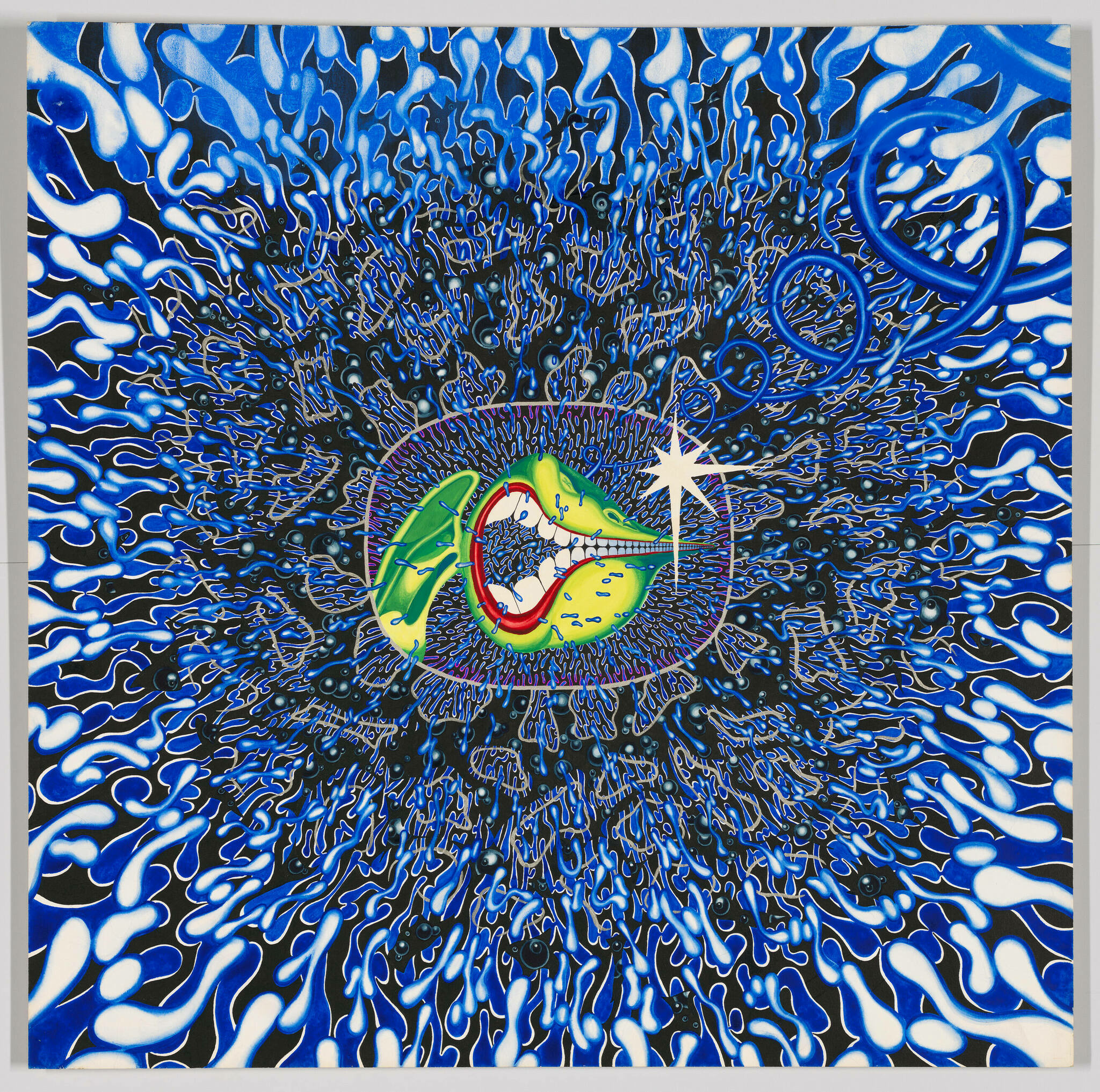
One interesting example of Ching Ho Cheng's work is his piece, Glossolalia (1969), which was created with ink, opaque watercolor, and graphite pencil on board. This work can be found in the collection of the Whitney Museum of American Art. In Glossolalia, Cheng shows a vibrant, intricate piece that really takes on his exploration of language and spirituality. The term “glossolalia” refers to speaking in tongues, a phenomenon associated with spiritual ecstasy(Glossolalia). We read about it in the bible as when the disciples gather together and there is a story of them all speaking different languages but understanding each other(Sauter). Here, as many of Cheng’s other works, we read an interest in spirituality and communication. The painting shows swirling patterns, vivid colors, and little detailed textures that really create a sense of movement or energy. He also has much depth in his work as people believed he was painting like he was looking under a microscope at these mouth-like looking cells. The central motif shows a mouth like or portal that could symbolize the communication between the earthly and the divine. There are also signs of an ear that looks like which ties into the thoughts of the apostles above. The use of gouache allows for rich, opaque layers that really enhance the painting depth and intensity, making it weigh more to the eye than it should. This work exemplifies Cheng’s ability to merge abstract forms with a central thematic content, which gives viewers an interesting but vivid experience.
-
Alternative Title
-
Glossolalia, ink, opaque watercolor, and graphite pencil on board, 1969.
-
Source
-
Cheng, Ching Ho. “Biography.” Ching Ho Cheng Official Website. Accessed April 22, 2025. https://www.chinghocheng.com/biography.
“Glossolalia.” Whitney Museum of American Art. Accessed April 22, 2025. https://whitney.org/collection/works/36754.
-
Name
-
Nico Lambros