-
Title
-
Flint: The Crisis That Didn't End
-
Description
-
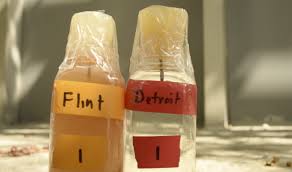
In the 25th of April 2014, the city of Flint switched its drinking water supply from Detroit's system to the Flint River in a cost saving move, this decision unknowingly would cause a lead crisis in the 21st century, as inadequate treatment and testing of the water followed, resulting in a series of major water quality and health issues for the residents of the city. Soon after this switch was implemented, residents started complaining that the water from their taps looked, smelled, and tasted foul, despite these observations from the city's residents, the city officials maintained that the water was safe. When researchers from Virginia Tech conducted a study, they revealed the problem: the water samples that had been collected for study indicated citywide lead levels had spiked, with nearly 17 percent of samples registering above the federal action level of 15 parts per billion. Lead is a heavy metal that had already been infamous in history since its documented use by the Romans for makeup, cookware, and pipes, but what made it infamous is that in large doses, it would cause high blood pressure, heart and kidney disease, and reduced fertility. This event was significant for American Environmental History, because to this day, even after the city had completed its pipe replacement program, Flint's residents still distrust their tap water due to a single decision.
-
Date
-
April 25, 2014 – May 19, 2025
-
Location - Physical Location
-
Flint City Hall, 1101 S. Saginaw St., Flint, Michigan 48502
-
Name
-
Adrian Lizardo
-
cites
-
Natural Resources Defense Council. "The Flint Water Crisis: Everything You Need to Know." NRDC, March 21, 2023. Accessed November 7, 2025. https://www.nrdc.org/stories/flint-water-crisis-everything-you-need-know.