-
Title
-
The Hudson River Cleanup
-
Description
-
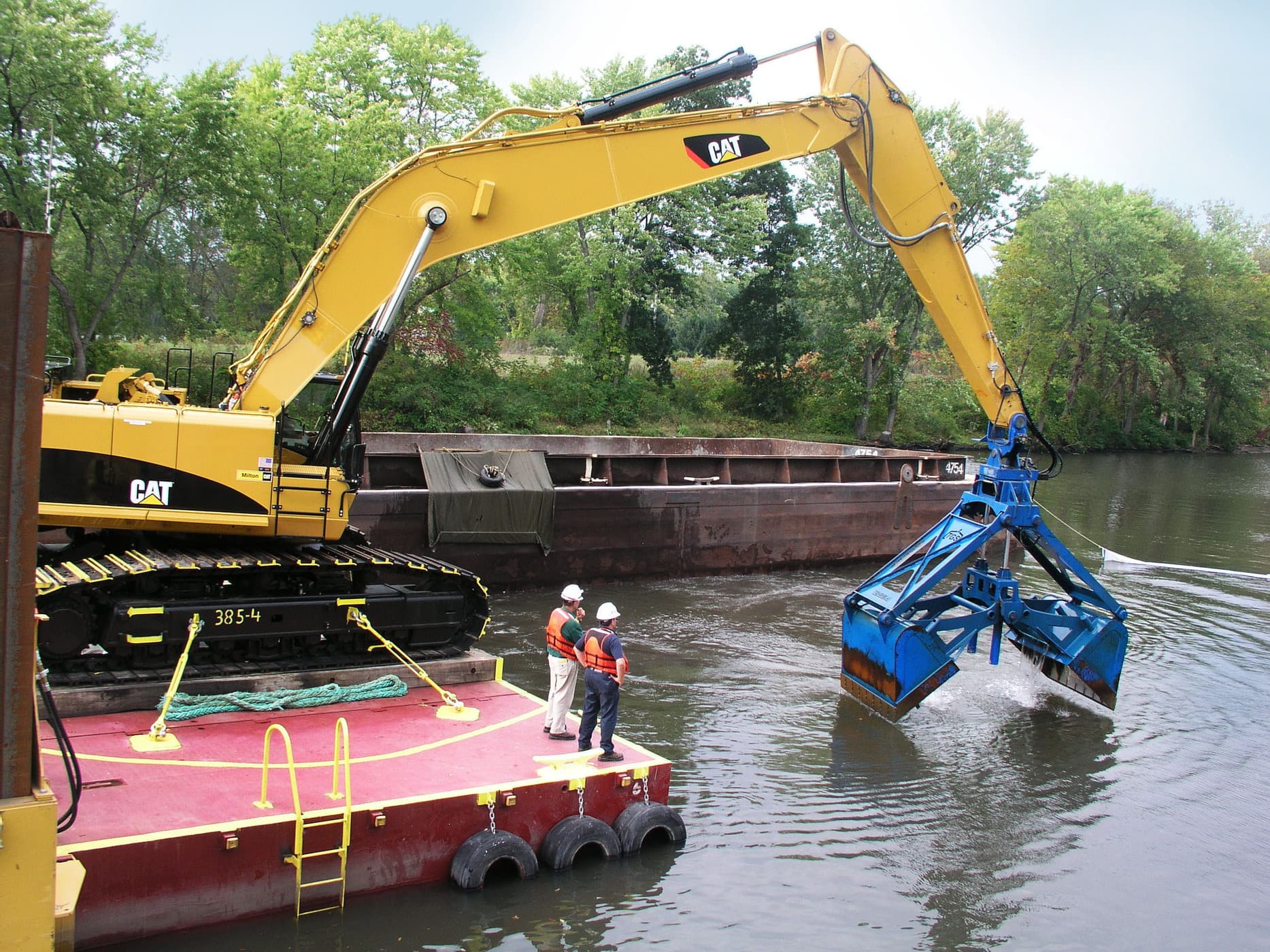
PCBs, or polychlorinated biphenyls, can be used in firefighting foams, as insulators in things like transformers, since they can withstand exceptionally high temperatures. Between 1947 and 1977, which is when the EPA banned PCB production, two General Electric capacitor manufacturing plants released approximately 1.3 million pounds of PCBS into the Hudson River. The pollutants entered the rover and mixed with sediments on the bottom of the river at many locations, and at some locations ended up along the shorelines in the floodplains. GE was forced to dredge approximately 2.65 million cubic yards of PCB-contaminated sediments over the course of a 40-mile section of the Upper Hudson River. These areas were determined using the results of a multi-year sediment sampling program, which generated more than 60,000 sediment samples.
-
Date
-
1947 – 1977
-
Location - Physical Location
-
Hudson River, New York
-
Name
-
Nora Kliczewski
-
cites
-
US EPA. "Hudson River Cleanup." United States Environmental Protection Agency, 22 Jan. 2025, www.epa.gov/hudsonriverpcbs/hudson-river-cleanup.