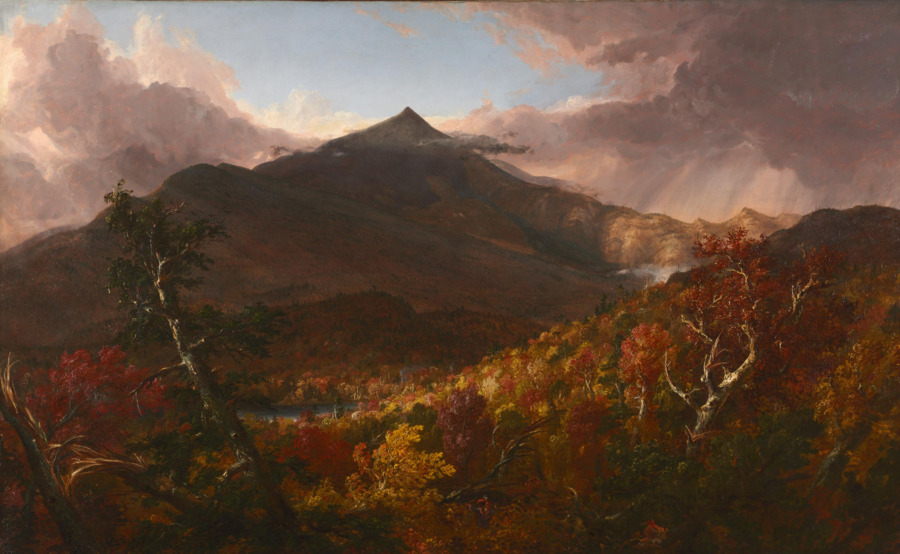
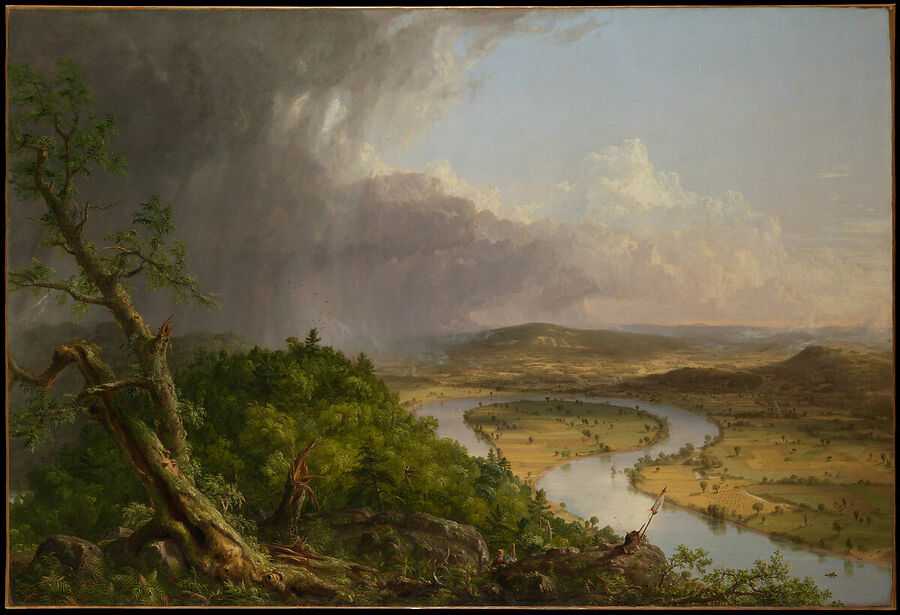
This awe-inspiring painting depicts a dramatic rendition of Hoffman (Schroon) Mountain after a storm. It includes eye-catching fall foliage, dramatic clouds, distant rain, and two Native American men in the bottom right corner. This painting was created by Thomas Cole and is part of the Hudson River School art movement, which was most influential in the mid-1800s. Artists who took part in this movement tended to paint the northeast landscapes of the United States with a focus on the dramatic beauty and grandeur of the American natural world. Many prominent members of the movement, including Cole, interacted with authors who belonged to the transcendentalist movement. Both movements had ties to American nationalism and looked back to a time before the technological developments of the 1800s while romanticizing the wilderness. In their celebrations of idealized natural spaces, the artists and writers of the Hudson River School and the transcendentalist movement influenced the very beginning of American conservation efforts.
One of the most important industries that was fueled by the deforestation of the New England colonies was shipbuilding for the royal navy. Boston was the hub for ship building and exports in pre-revolutionary America, with its built up port infrastructure and ability to export a diverse range of wood types serving as its primary advantages. This level of importance likely provided a large amount of stimulation to the economy, helping the city to serve as an important city in the early United States
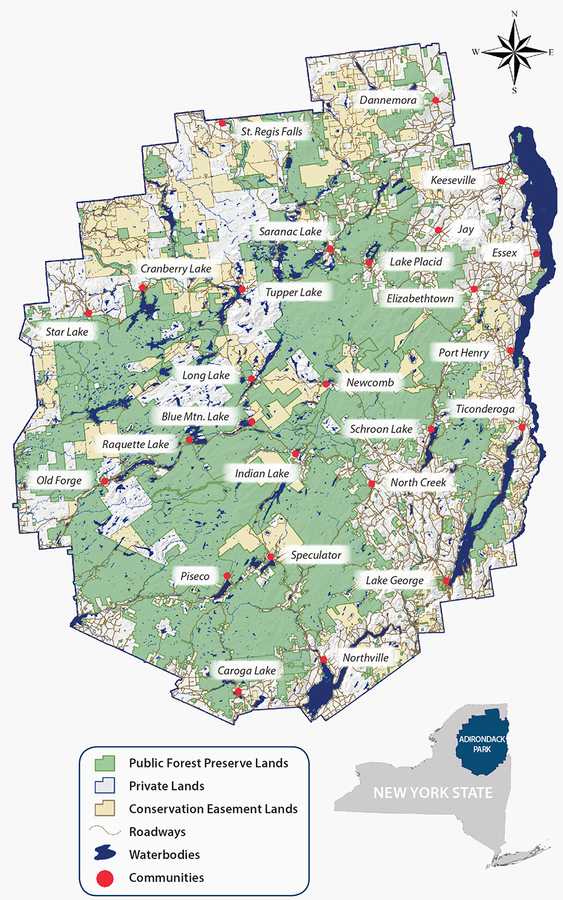
In 1892, the New York State Legislature created Adirondack Park. It started as a three million acre preserve within New York State created through concerns of deforestation and impact it could have on rivers, farmland, and communities. Two years after its inception, New York state granted the park permanent protection through a constitutional amendment in order to ensure the land will remain "forever kept as wild forest lands." This an environmental turning point in American history as it displayed the power governments had to protect future resources. In current day the park is approximately 6 million acres, larger than Yellowstone, Everglades, Glacier, and Grand Canyon NAtion Parks combined. This makes Adirondack Park the largest publicly protected area in the contiguous United States. It consist of forest, wetlands, lakes, rivers, with both public preserve and private communities.
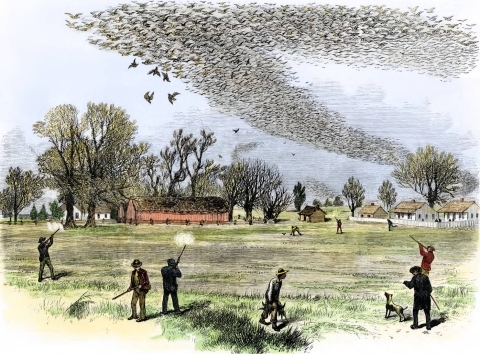
The Lacey Act, passed in 1900, is a U.S. law that prohibits the trade of fish, wildlife, or plants that have been captured illegally. The purpose of the law was to reduce the killing of wildlife by halting hunting and trading, ultimately preventing endangered species from extinction. It was one of the first political measures implemented in the name of conservation. Congressman John Fletcher Lacey introduced the act to the House of Representatives on April 30th, 1900, and it was later signed by President William McKinley on May 25th. The act was first established to address the overhunting of game birds but evolved to protect many other wildlife species.
The Hudson River School was a group of artists from New York City that was founded by Thomas Cole. Their paintings were usually of American landscapes, but some were related to religion or of foreign landscapes. The goal of the paintings was to capture the beauty and sublimity of the landscape. Their success is correlated with an increase in tourism and vacations though not conservation. Thomas Cole himself was aware and regretted the wanton destruction of the American environment but resigned himself to the inevitability of such a cost of progress.
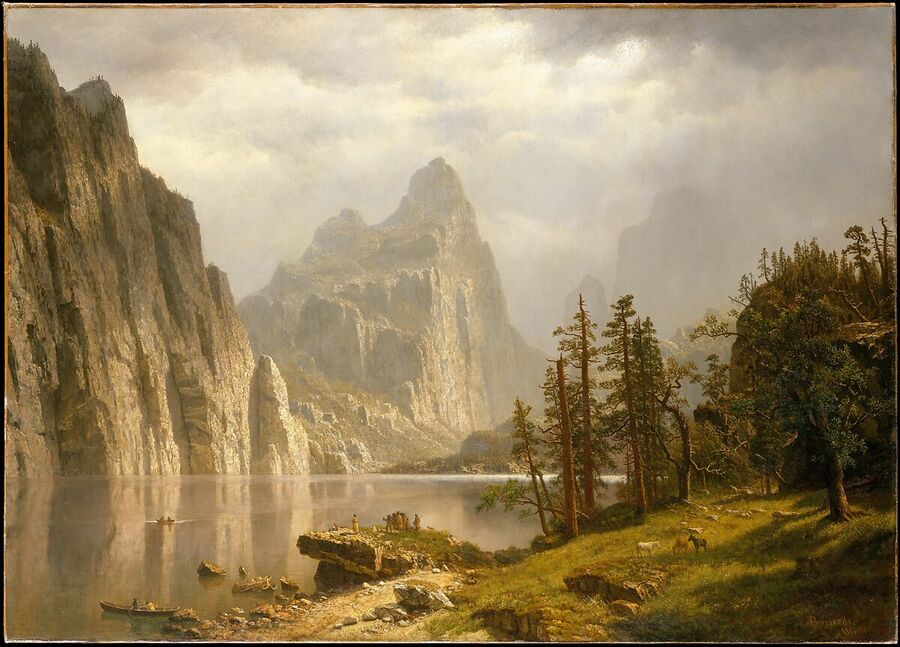
Signed into law by President Abraham Lincoln on June 30, 1864, the Yosemite Grant Act was a foundational moment in American conservation. This legislation removed Yosemite Valley and the Mariposa Grove of Giant Sequoias from the public domain and granted them to the state of California to be held “for public use, resort, and recreation...inalienable for all time.” It marked the first time in U.S. history that the federal government set aside land for preservation and public enjoyment, establishing a crucial precedent that would directly lead to the creation of the National Park System. The grant represents a pivotal shift in the national consciousness, codifying the idea that unique natural landscapes were not just resources to be exploited but treasures to be protected for all people.
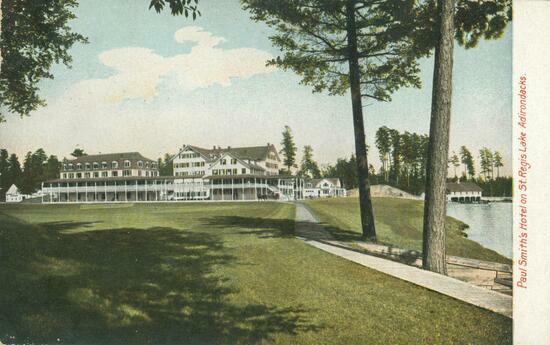
Apollos A. “Paul” Smith and his wife Lydia built Paul Smith’s Hotel, the Adirondacks’ first wilderness resort in 1859. The hotel was located at the edge of Lower St. Regis Lake, deep in the Adirondacks near Lake Placid, and offered an escape from the city life that so many people were seeking. The hotel drew in many high-profile guests including three different U.S. presidents, as well as many other wealthy individuals. After the hotel burned down in 1930, Paul Smith's College was founded at the estate, which is a forest conservation and management-based college.
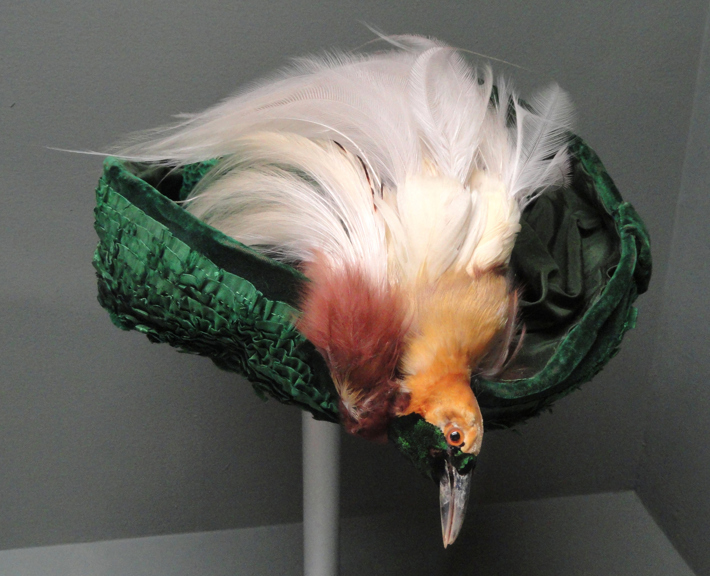
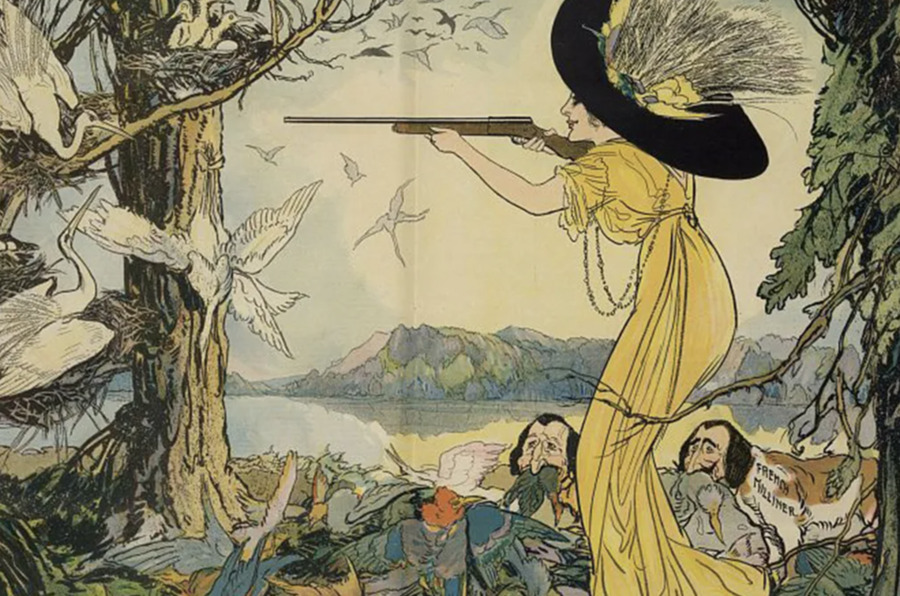
A fashion statement that began as a show of wealth and status quickly turned into a wildly popular display of fashion among all classes in the late 19th century. This was the use of bird feathers or plumage on hats. Women of the time looked to acquire the most extravagant feathers, or at times, even full birds upon their hats. The massive demand that was required to fuel this new fashion trend proved to be largely devastating to bird populations across the world, with large feather markets in major cities like London and New York City, yet hunting of these birds was being done wherever they could be found. At the peak of the "feather fever", many different species of birds faced extinction, like the Snowy Egret, but with the help of conservationists like Paul Kroegel, Harriet Hemenway, and Theodore Roosevelt, along with the societal change during WW1 to more practical clothing, many of these bird populations were saved. The "feather fever" shows just how much of an effect humans have on the environment, as a simple fashion trend was able to nearly wipe out large numbers of bird populations in a couple of decades.
The Migratory Bird Treaty Act grew out of a time when hats decorated with bird feathers were at the height of fashion, driving the killing of millions of egrets, herons, and other species. Early conservationists and women’s groups pushed back, arguing that style should not come at the cost of wildlife. Their efforts led to the 1918 law, which gave federal protection to migratory birds and helped species like the snowy egret recover. The story shows how a trend in clothing sparked one of the nation’s first major conservation victories and why the law still matters today as new threats to bird protection continue to appear.
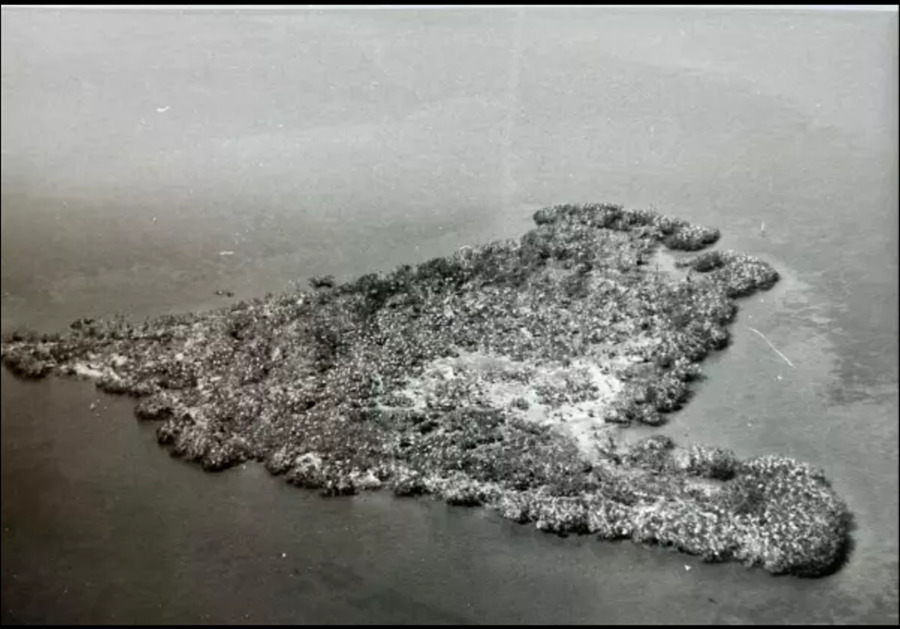
Pelican Island was established through an executive order signed by President Theodore Roosevelt. It's managed by the Audubon Society (est. 1886), and provides habitat for dozens of endangered and native species. It represents one of the first instances of wildlife conservation being implemented at the federal level, demonstrating a significant shift from the treatment of species like the passenger pigeon and buffalo.
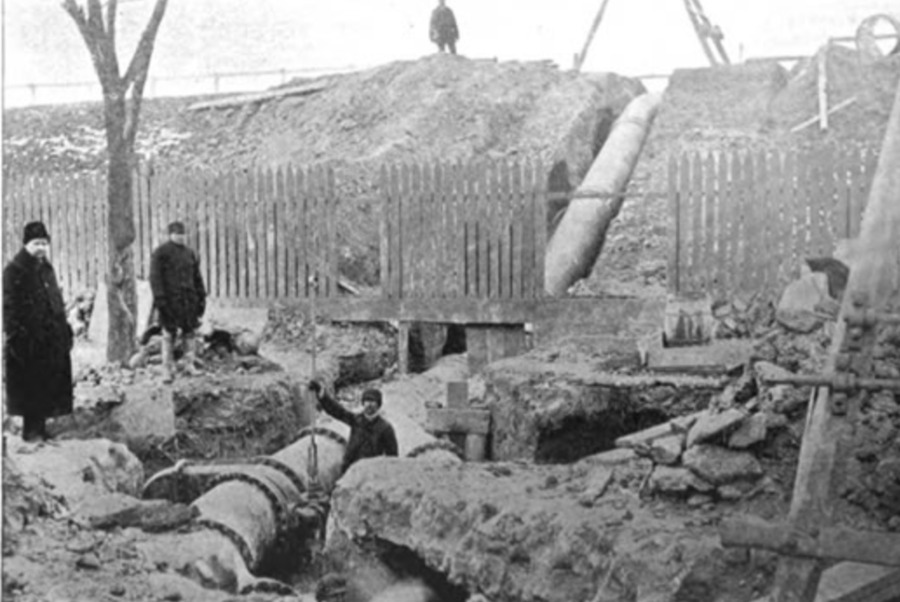
Around the mid-1800s, Americans start to realize that water systems need to be created in order to keep away diseases and overall improve the sanitation of their cities. One of the first filtered and chlorinated water treatment centers was created in New York's capital, Albany. This picture shows workers building main water pipes underground, which connected to the Bleecker Reservoir. Later becoming Bleecker Stadium. Before the creation of iron pipes, in Albany there were hollowed-out tree trunks, instead that acted as underground waterways.
The Audubon Society (first organized at the state level in Massachusetts in 1896, then nationally in 1905) organization remains at the forefront of conservation movements, intending to influence policymakers to pass key legislation. Most notably, the society helped pass the Audubon Plumage Law in 1910, the 1918 Migratory Bird Treaty Act, the Endangered Species Act in 1973, and the mammoth climate-change-focused Inflation Reduction Act in 2022. Audubon's work continues across the globe today in the forms of scientific research, policymaking, education, community engagement, and the conservation of 300 million acres of bird habitat.
After WWII, pork and poultry production became industrialized. Animals were packed into feedlots and fed corn, soybeans, fishmeal, vitamins, hormones, and antibiotics. This system made meat production faster and cheaper, but it also depended on huge amounts of resources and changed how food was raised.
The U.S. Department of Agriculture (USDA) created its beef grading system, which declared that beef with higher fat content indicates higher quality beef. Not only did this USDA guideline incentivize the feedlot industry to fatten up young steers on corn and slaughter them prematurely as compared to before, but it also made raising livestock a more factory-oriented process. At first, feedlots had issues with excessive water consumption and were draining water out of the ground. Now, feedlots are criticized for releasing ammonia, methane, and carbon dioxide into the atmosphere.
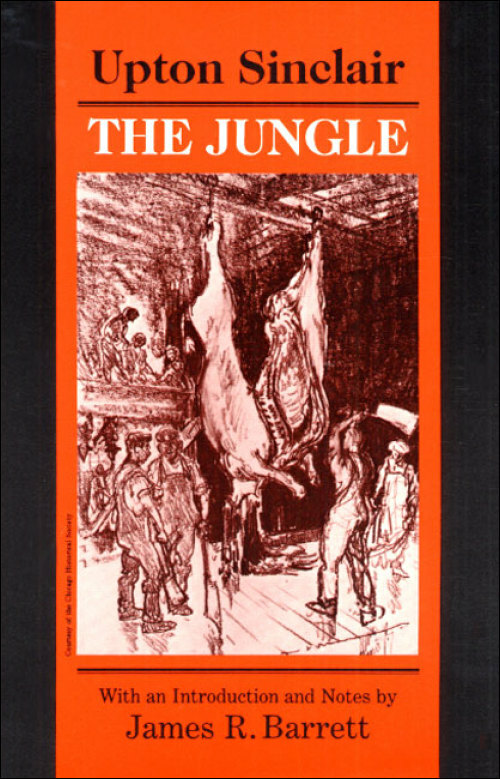
The Jungle was released as an exposé on the working and sanitary conditions of American meatpacking plants. The book revealed the horrifying conditions of these plants, mentioning rat contamination and other unsanitary issues. This led to the enactment of the 1906 Meat Inspection Act, which standardized sanitary conditions for these plants. This regulation contributed to the expansion of the meat packing industry because it gave the plants a sense of credibility in the public eye and allowed consumers to purchase meat at a lower price. This market expansion drove more production of beef in the U.S. and more cattle taking up space and resources, like water, corn, and land, across the country.
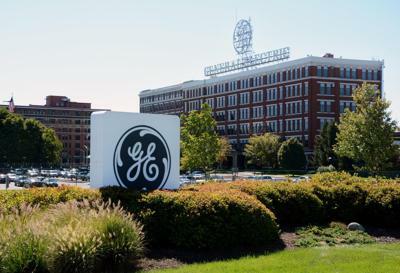
Semi volatile organic compounds and volatile organic compounds have been found to exist in the groundwater beneath General Electric. General electric sits near where the city of Schenectady gets its groundwater. The groundwater conditions have to be monitored by a system of wells to ensure that the contaminated water under GE does not leech into Schenectady's supply.
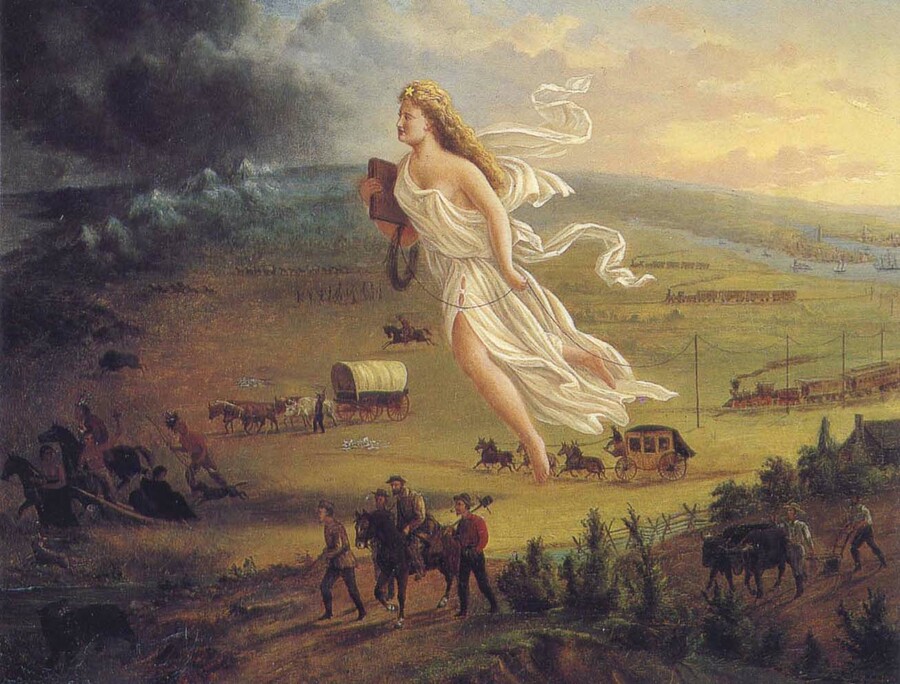
American Progress by John Gast depicts the United States' westward expansion during the 1800s. Gast chose to present this expansion as the angelic figure of Columbia bringing white settlers, railways, horses, and other technology along with her. This painting also includes Indigenous Americans and buffalo, who appear to be being chased away. Columbia's angel-like presence further illustrates the religious associations behind this perspective, including the idea of Manifest Destiny. Plowed fields, oxen, horses, and railways are depicted as improvements to a dark land, or "progress".
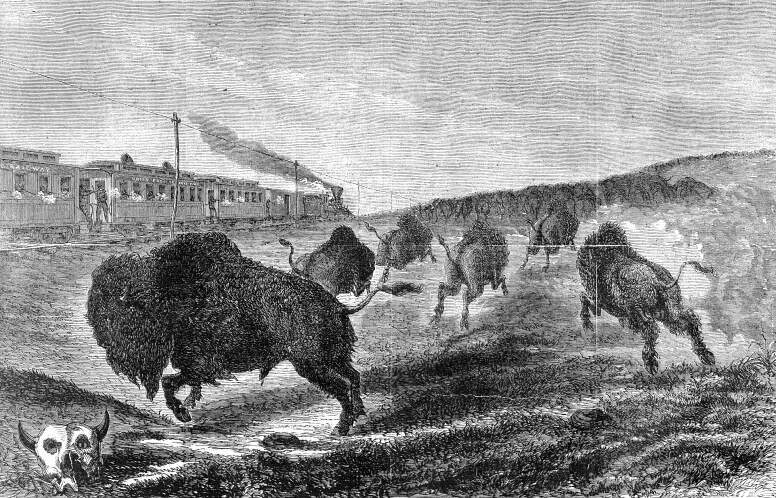
The train is slowed down to a rate of speed about equal to that of the herd of migrating buffalo, at which point the passengers get out firearms which are provided for the defense of the train against the Indians, and from the windows and platforms of the cars begin to fire in a manner that resembles a full blown skirmish. Frequently a young bull will turn at bay for a moment. His exhibition of courage is generally his death-warrant, for the whole fire of the train is turned upon him, either killing him or some member of the herd in his immediate vicinity.
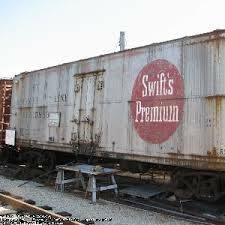
The Western Railroad of Massachusetts started with a car for nonperishable items in 1842, in 1867 J.B. Sutherland got the first patent for a refrigerated railroad car. However in 1878 it became more sanitary when Gustavus Swift, a Chicago meat packer, collaborated with engineer Andrew Chase to develop the first practical ice-cooled reefer car.
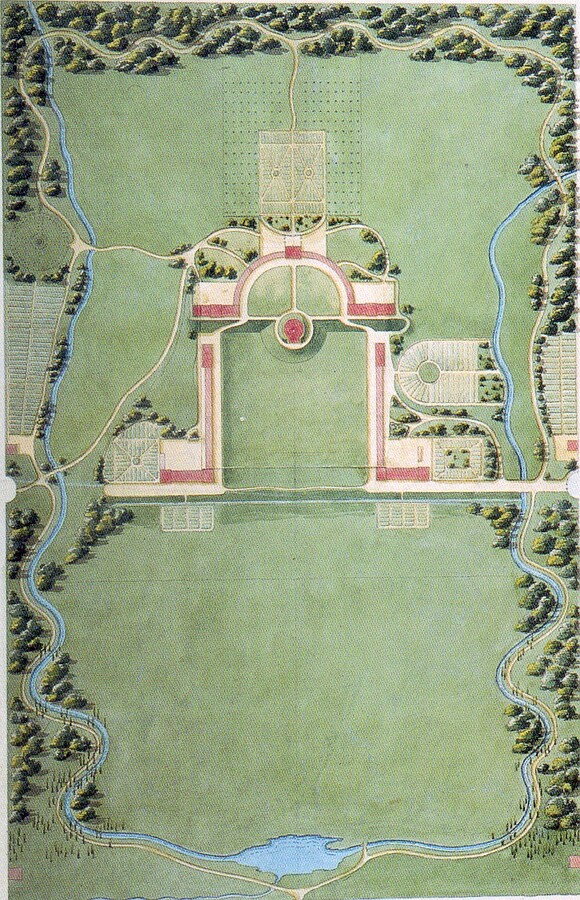
Union College was the first college or university in the U.S. to have a formal plan for the layout of its grounds and buildings. The campus was deliberately oriented to look west, out the Mohawk River valley, toward what was then the western frontier.