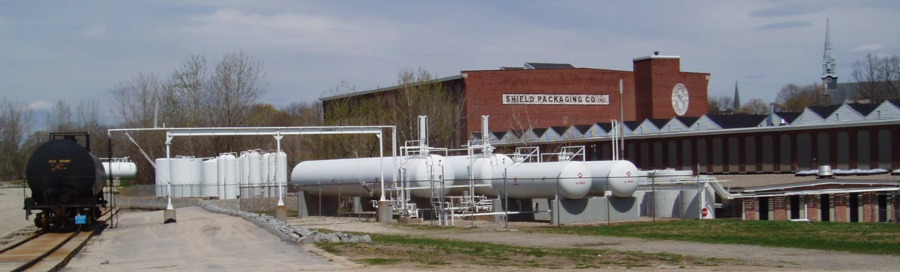
The EPA had alleged in a complaint filed in September 2012 that Shield Packaging Co. violated the Clean Air Act’s chemical accident prevention provisions by not fully developing and putting in place a risk management plan for processes that used extremely hazardous substances at the facility. In 2013, they agreed to pay $484,900 in penalties to settle claims that it violated numerous federal and state regulations in its liquid and aerosol packaging plant, the U.S. Environmental Protection Agency announced Monday.
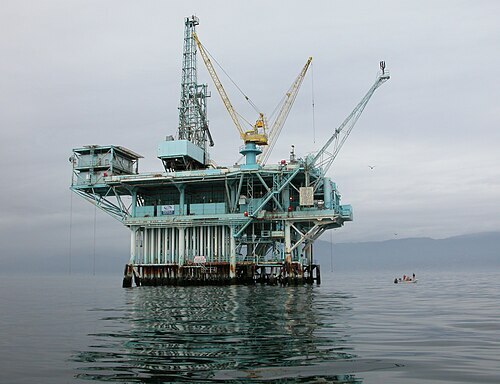
An off shore drilling platform owned by Union Oil sprung a leak and 80,000 to 100,000 barrels leaked out into the Pacific Ocean. There was no loss of human life but the spill ended up being incredibly harmful to animals in the area. News coverage showed the effects of the spill to millions of people and helped create public awareness for people not in the Santa Barbara area.
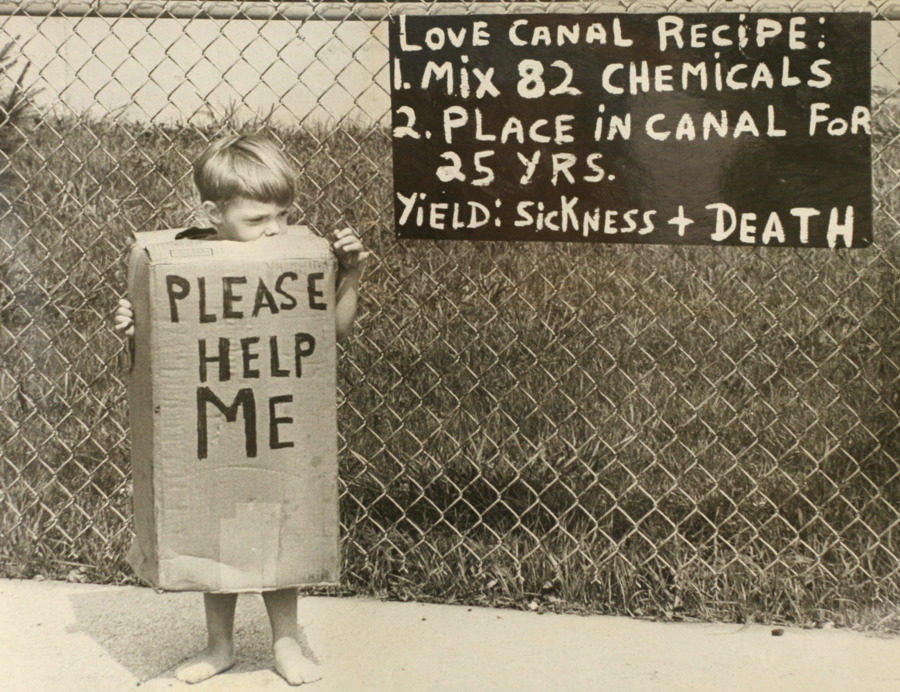
Love Canal in Niagara Falls, New York, became one of the most infamous environmental disasters in U.S. history when buried chemical waste began leaking into a residential neighborhood in the 1970s. Families living there experienced health problems, toxic odors, and chemical seepage in their homes and yards. The crisis sparked nationwide awareness about industrial pollution, environmental justice, and government responsibility in protecting communities.
The Niagara Falls Gazette is the newspaper that published studies about birth defects and other information about Love Canal. The first time activist Lois Gibbs considered having any concern about Love Canal was after reading articles published in June of 1978 by Michael Brown. Lois Gibbs developed further concern and started making the first canal connections to her son's health after digging deeper into the paper's coverage on the Love Canal. Gibbs later came to be a leader of the movement for justice for the residents around Love Canal, all sparked by reading Michael Brown's articles from the Niagara Falls Gazette.
When the chemical company Hooker dumped toxic waste into the canal, the land was later sold to the nearby school district. Children began getting sick, and the community tried everything possible to make people aware of the danger.
PCBs, or polychlorinated biphenyls, can be used in firefighting foams, as insulators in things like transformers, since they can withstand exceptionally high temperatures. Between 1947 and 1977, which is when the EPA banned PCB production, two General Electric capacitor manufacturing plants released approximately 1.3 million pounds of PCBS into the Hudson River. The pollutants entered the rover and mixed with sediments on the bottom of the river at many locations, and at some locations ended up along the shorelines in the floodplains. GE was forced to dredge approximately 2.65 million cubic yards of PCB-contaminated sediments over the course of a 40-mile section of the Upper Hudson River. These areas were determined using the results of a multi-year sediment sampling program, which generated more than 60,000 sediment samples.
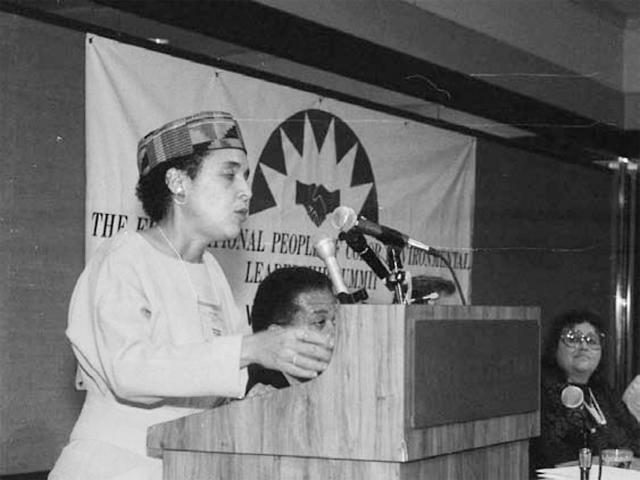
As the environmental movement was taking place, a lot of voices were not being included or being heard. Dana Alston, in her "Moving Beyond the Barrier," described how environmental impacts on human health were only taken into consideration when they impacted whites and white babies, ignoring indigenous and black populations also being affected. In this image, Dana Alston is speaking for this cause at the NPCELS in Washington to advocate for these observations.
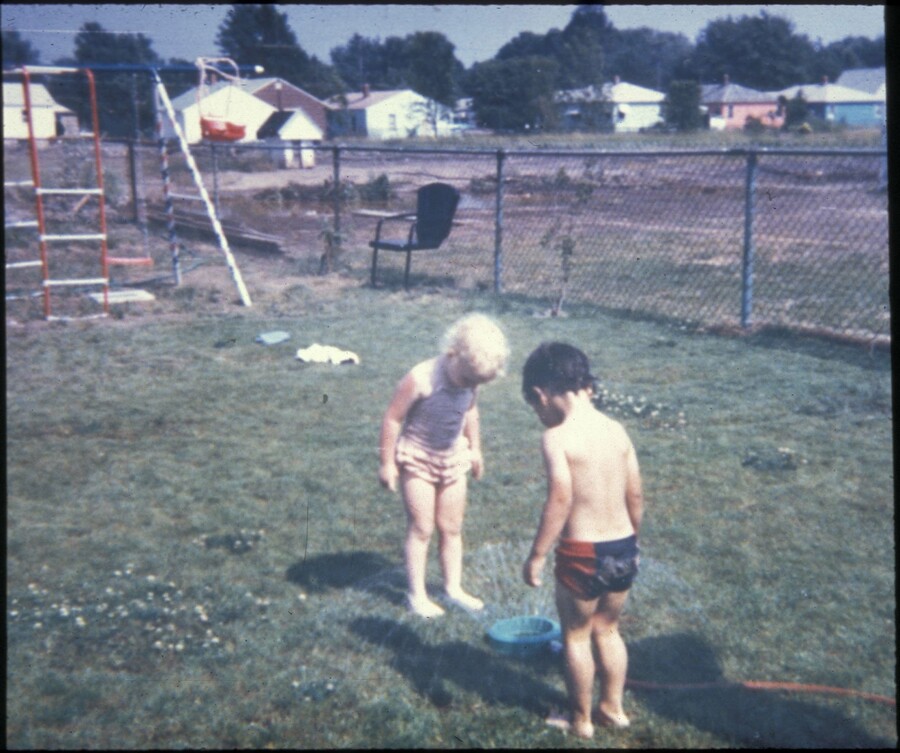
In this photo, two children are pictured playing outside in close proximity to "rising" toxic waste. It is part of the legacy of the Love Canal Disaster which started when the Hooker Chemical Company used the canal site as a dump for chemical waste from 1942 to 1953, before capping the dump and selling it to the Niagara Falls School Board. This waste, including many known carcinogens, contaminated the neighborhoods around it and led to severe health issues for many residents, including epilepsy, cancer, asthma, kidney diseases, migraines, and birth defects.
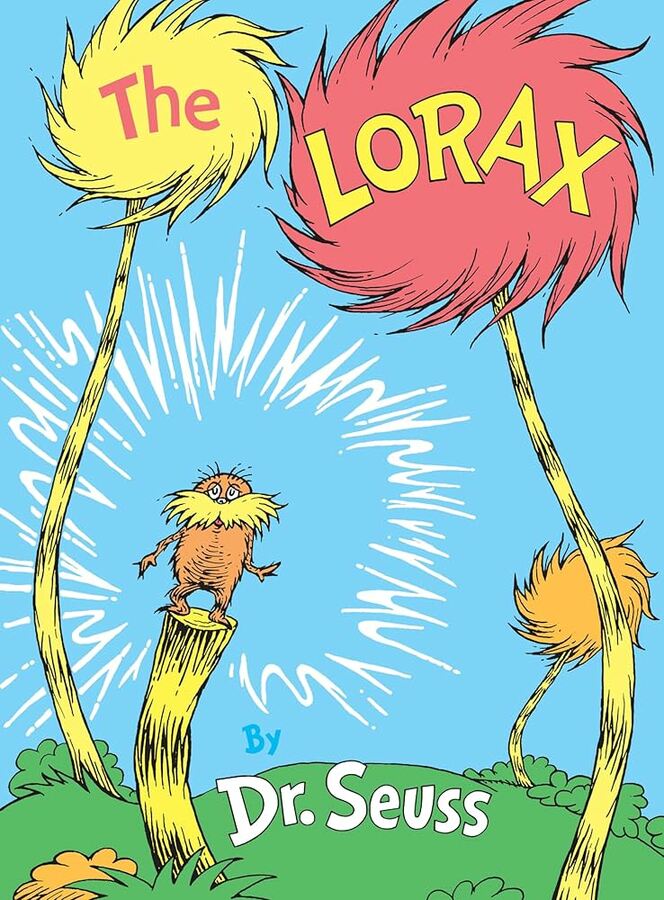
One year after the first Earth Day ceremony, Theodore Geisel, also known as Dr. Seuss, published the famous children's book, “The Lorax.” The story is about a businessman called the Once-ler who discovers a forest of Truffula Trees. He starts cutting down the trees to sell garments called “Thneeds.” The Lorax, who speaks for the trees, warns him that this will destroy the forest and cause pollution, which is exactly what happens. Once the last tree gets cut down, the business collapses, and the animals leave because the resources are gone, making the Once-ler isolated and full of guilt. This book aims to raise awareness about environmental destruction and expose the greed inherent in capitalism.
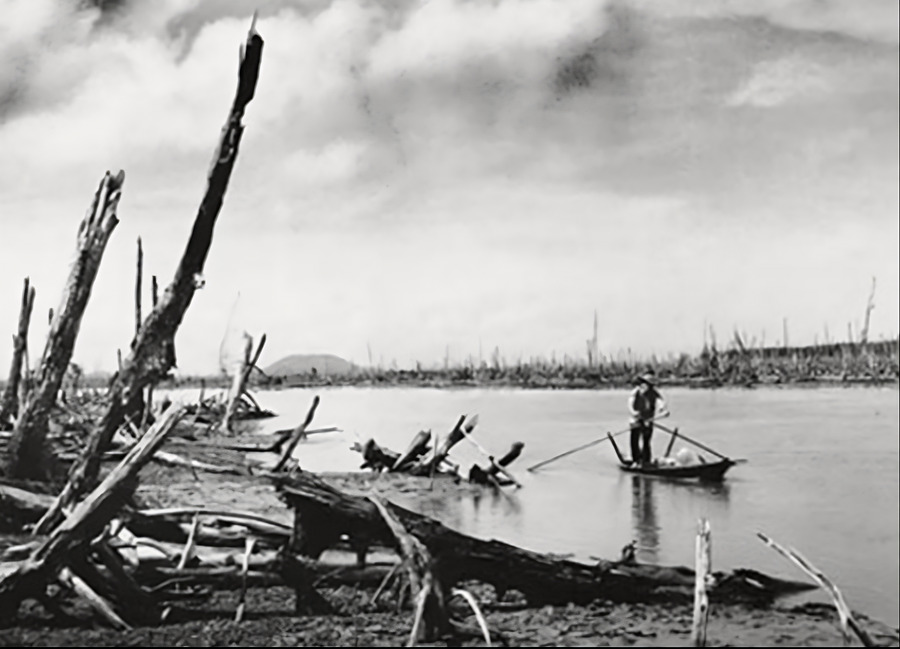
From 1962 to 1971, the U.S. military’s Operation Ranch Hand sprayed over 19 million gallons of herbicides over South Vietnam, including more than 12 million gallons (45 million liters) of Agent Orange, to destroy forest cover and enemy crops. This act is a significant event in American Environmental History, despite its overseas nature, as it represents one of the largest-scale uses of chemical defoliants in warfare, an act often described as "ecocide." The spraying destroyed an estimated 5 million acres of upland and mangrove forests, leading to a catastrophic loss of biodiversity. As this image shows, the ecological effects were destructive to the livelihoods of people that lived in that area. Because Agent Orange was contaminated with the persistent toxin dioxin, it remains in Vietnam's soil and water decades later, poisoning the food chain and preventing the long-term recovery of these complex ecosystems.
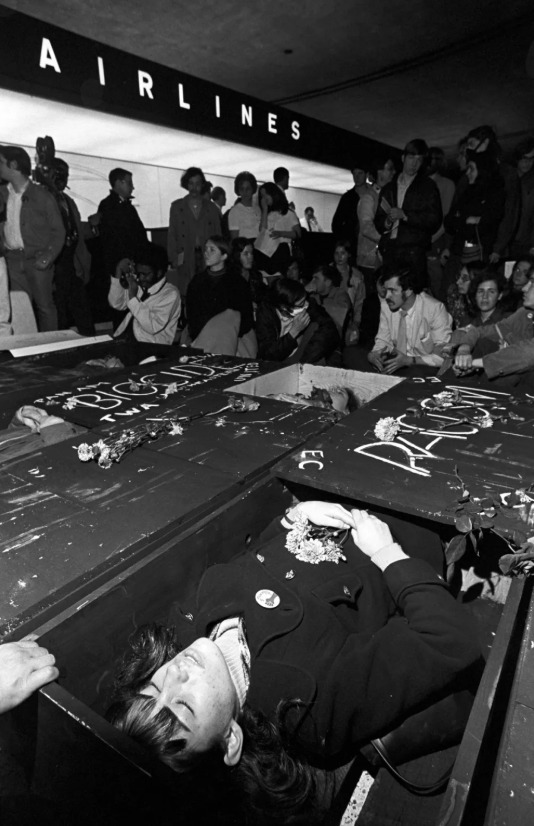
On the first Earth Day in 1970, one event that garnered attention was a protest by students at the Logan Airport in Boston. Over a hundred were present, while 13 were arrested for staging a "die-in", which was effectively a sit in but they made and brought in coffins, which some people laid inside. The largest target of the protest was the potential of the Concorde Jet coming to the airport which would have caused a mass amount of noise pollution to the surrounding environment.
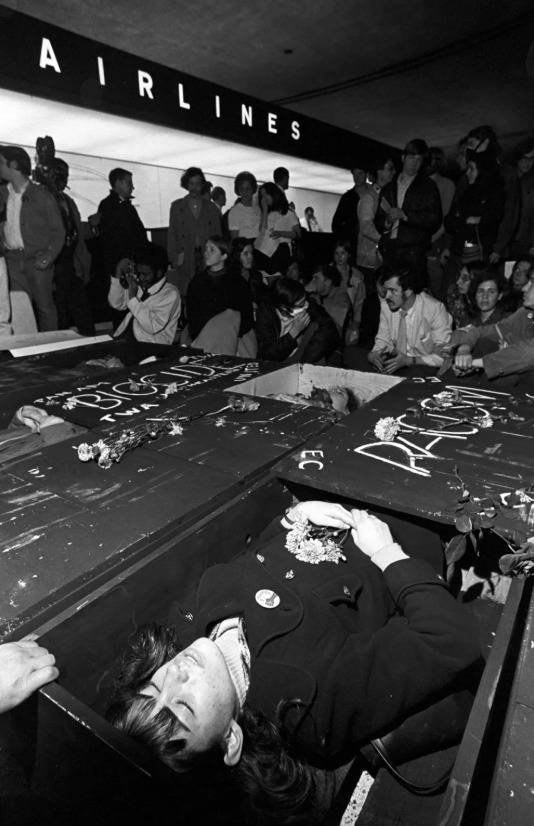
On the first Earth Day in 1970, one event that garnered attention was a protest by students at the Logan Airport in Boston. Over a hundred were present, while 13 were arrested for staging a "die-in", which was effectively a sit in but they made and brought in coffins, which some people laid inside. The largest target of the protest was the potential of the Concorde Jet coming to the airport which would have caused a mass amount of noise pollution to the surrounding environment.
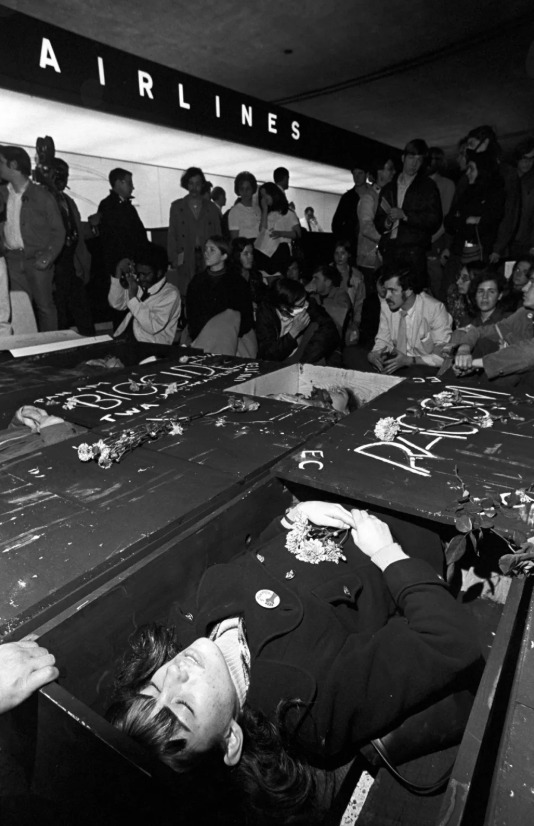
On the first Earth Day in 1970, one event that garnered attention was a protest by students at the Logan Airport in Boston. Over a hundred were present, while 13 were arrested for staging a "die-in", which was effectively a sit in but they made and brought in coffins, which some people laid inside. The largest target of the protest was the potential of the Concorde Jet coming to the airport which would have caused a mass amount of noise pollution to the surrounding environment.
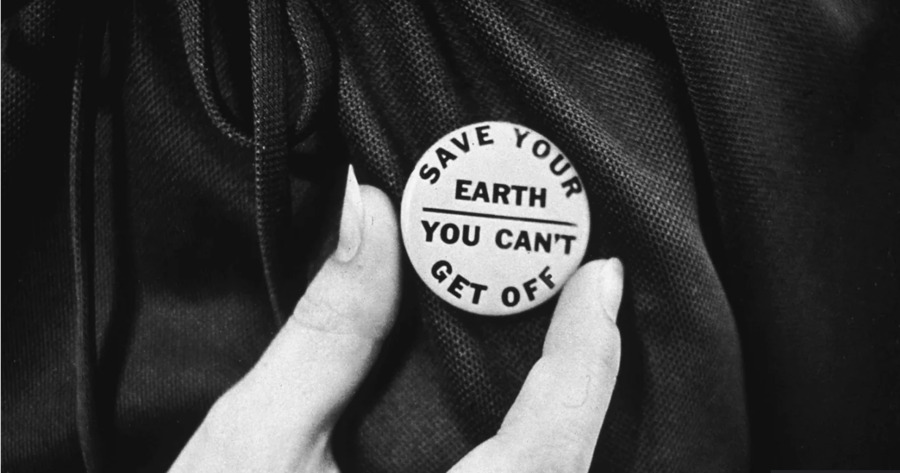
20 million people around the country took to the streets to protest for the world's first Earth Day, with the campaign being led by Wisconsin Senator Gaylord Nelson. Culminated by seeing the devastating impacts from Santa Barbara oil spills and the space mission where the first images of Earth from space were photographed, Earth Day was created. Denis Hayes, the organizer of the original Earth Day, said, "Our aspirations were to have an event that resembled some of the anti-war rallies and civil rights rallies. But instead of having them in one or five communities, we looked at it in many cities across the country."
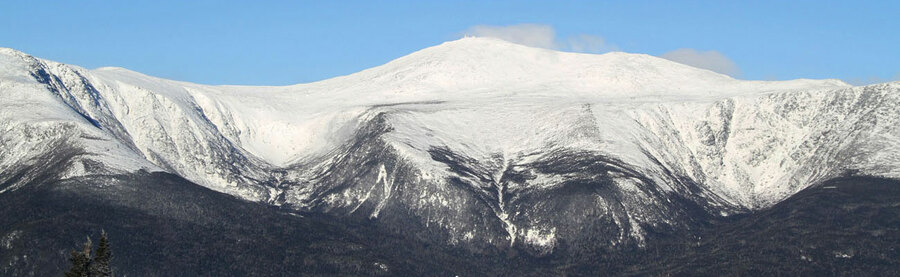
The passing of the "Weeks Act" of 1911 allowed the federal government to purchase private land to protect the headwaters of navigable rivers. In 1914, with the authority of the Weeks Act, the federal government purchased 7,000 acres in Northern New Hampshire and Maine for $13 an acre, thus creating the White Mountain National Forest. Today, the forest has grown to 800,000 acres, and it's tallest peak, Mt. Washington, holds the record for the fastest recorded wind gust on Earth not associated with a tornado or cyclone, at 231 mph in 1934, the coldest windchill in U.S. history at -108.4° F, and the coldest air temperature in U.S. history, at -47.2° F, both set in February 2023. It is also home to great hiking and skiing.
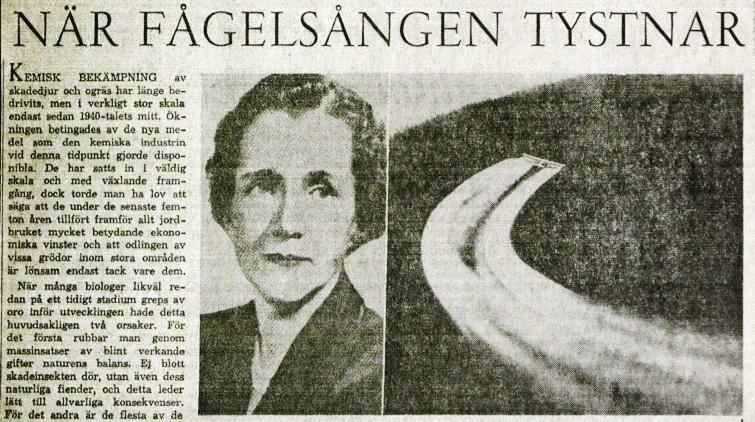
Not only did Rachel Carson blow up in America from her book Silent Spring, but she also gained much popularity in Europe, specifically Sweden. Sweden had an awakening to protect all of the natural birds that lived there, and Carson helped this cause tremendously.
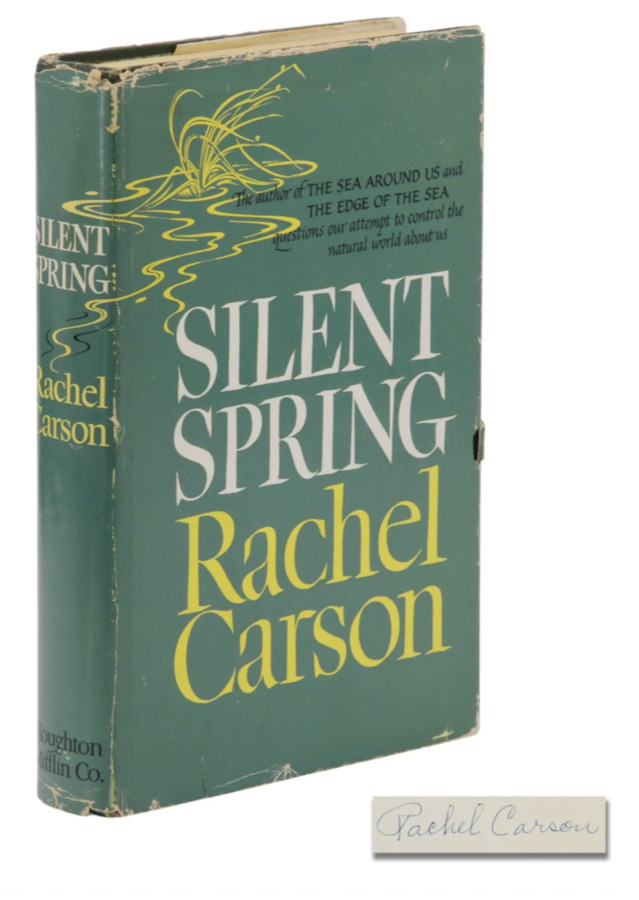
Rachel Carson describes the harmful effects of pesticides like DDT on the environment. She formatted her writing in simple terms so that its more accessible to people. Her book is widely credited with helping launch the environmental movement.
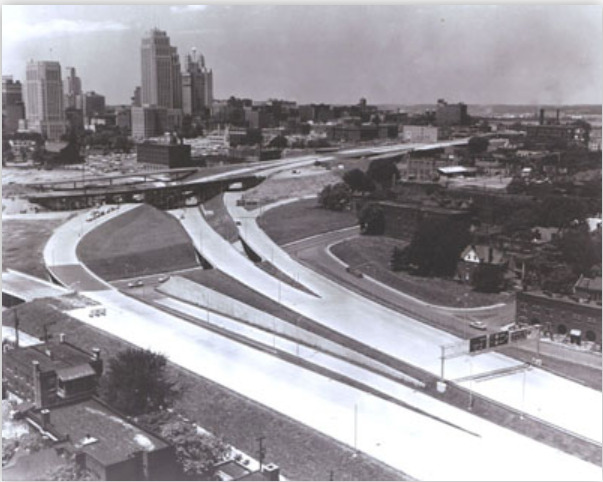
The establishment of the Interstate Highway was first authorized on June 29, 1956, when President Eisenhower signed the Federal-Aid Highway Act. The first section to begin construction was a section of what's now known as I-70 in St. Charles County, Missouri, and the interstate system was considered "complete" by 1992 (though additions are made even to this day.) This system represented a shift in the nation's infrastructure to prioritizing cars, and it made the nation more interconnected which contributed to the prevalence of the suburban commute. Some environmental consequences of the Interstate system included the restructuring of American cities to accommodate highways, the increase in motor vehicle smog in urban areas, and shifting patterns of land use, especially as some of these highways would later be expanded with more and wider lanes.
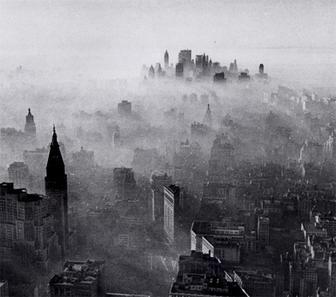
The toxic smog most likely stemmed mostly from industrial residues and power plants using coal. The smog hovered for some three days, starting on Thanksgiving and prompting a citywide alert that ordered all incinerators to close and utility companies to use natural gas. An 11-year-old at the time recalled, "they would have to "wash pollution off your face and hands”.
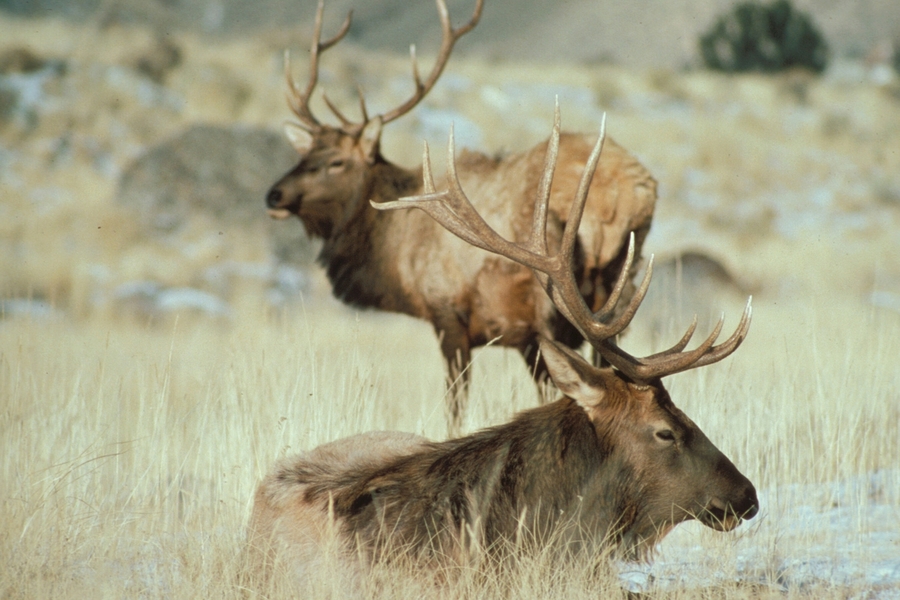
Peter Oscar Little Chief, a Blackfeet Indian, writes to the Department of the Interior requesting hunting privileges in Glacier National Park. The Blackfeet Indians used to be able to hunt in the park, and now Little Chief asks just to hunt one elderly, one deer, and two mountain sheep for subsistence. He is refused by the Department of the Interior. This exchange demonstrates the negative impact the conservation movement had on local and Native American communities whose land was being federalized, who could no longer live or survive off of their own land. It also shows the lack of influence they had on any policy or exceptions for their communities.
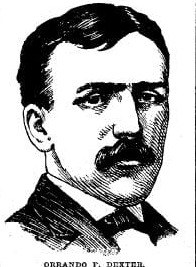
Orlando Dexter was shot while riding in his buggy to collect his mail. Dexter owned a large estate in the Adirondacks and had it fenced off so the locals could not use his land for hunting, fishing and firewood. He sued people who trespassed on his land and was incredibly disliked by the local Adirondackers.
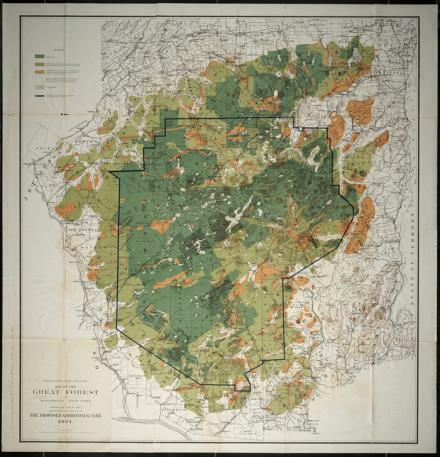
The New York State Forest Preserve Act of 1885 created the Adirondack and Catskill Forest Preserves. The law required that all state lands in eleven Adirondack and three Catskill counties "be forever kept as wild forest lands." This law also authorized the creation of a new Forest Commission to administer the law.
President Woodrow Wilson put "The Organic Act" through congress in 1916. It ended up getting passed and renamed to the National Park Service, it's goal was to conserve the scenery and natural and historic objects and wildlife, and provide for their enjoyment in such a manner as will leave them unimpaired for the enjoyment of future generations.
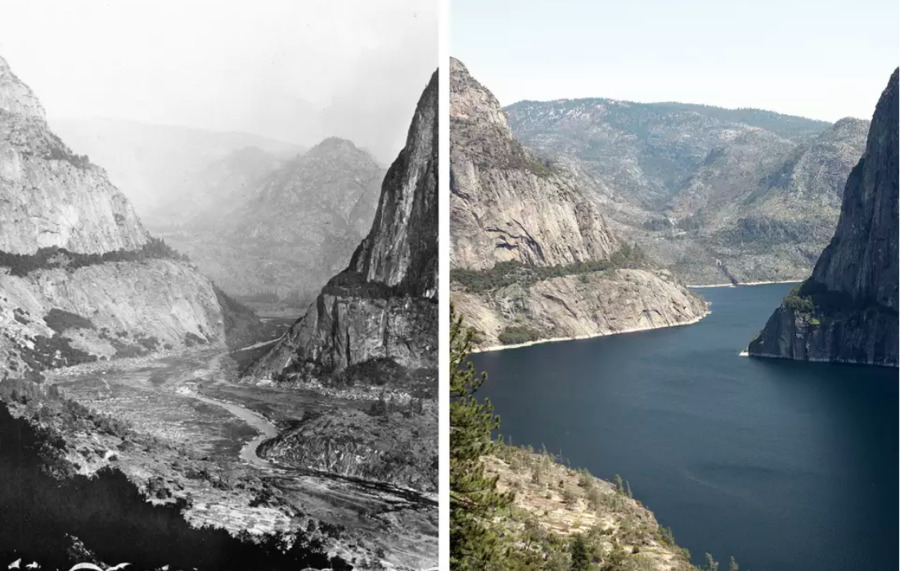
Hetch Hetchey is the sister valley to Yosemite, and was once part of the park itself, before it was separated and dammed. The name Hetch Hetchy comes from “hatchhatchie,” which means “edible grasses” in the language of the park’s original Miwok inhabitants, and the dam is named for its chief engineer Michael O’Shaughnessy, who also built Hoover Dam. As we discussed in class, San Francisco’s 1906 earthquake (and the devastating lack of water to combat resultant fires) tilted public opinion in favor of the dam. Something else I learned was that John Muir, who fought hard to protect Hetch Hetchy, died a year after the 1913 Raker Act permitted the dam’s construction within the national park.